6 weeks · 2 sessions/wk
Jump and power for basketball
A higher vertical, a quicker first step and knees and ankles that handle stops and landings all season.
€19.99See program
Buy · €19.99Sport
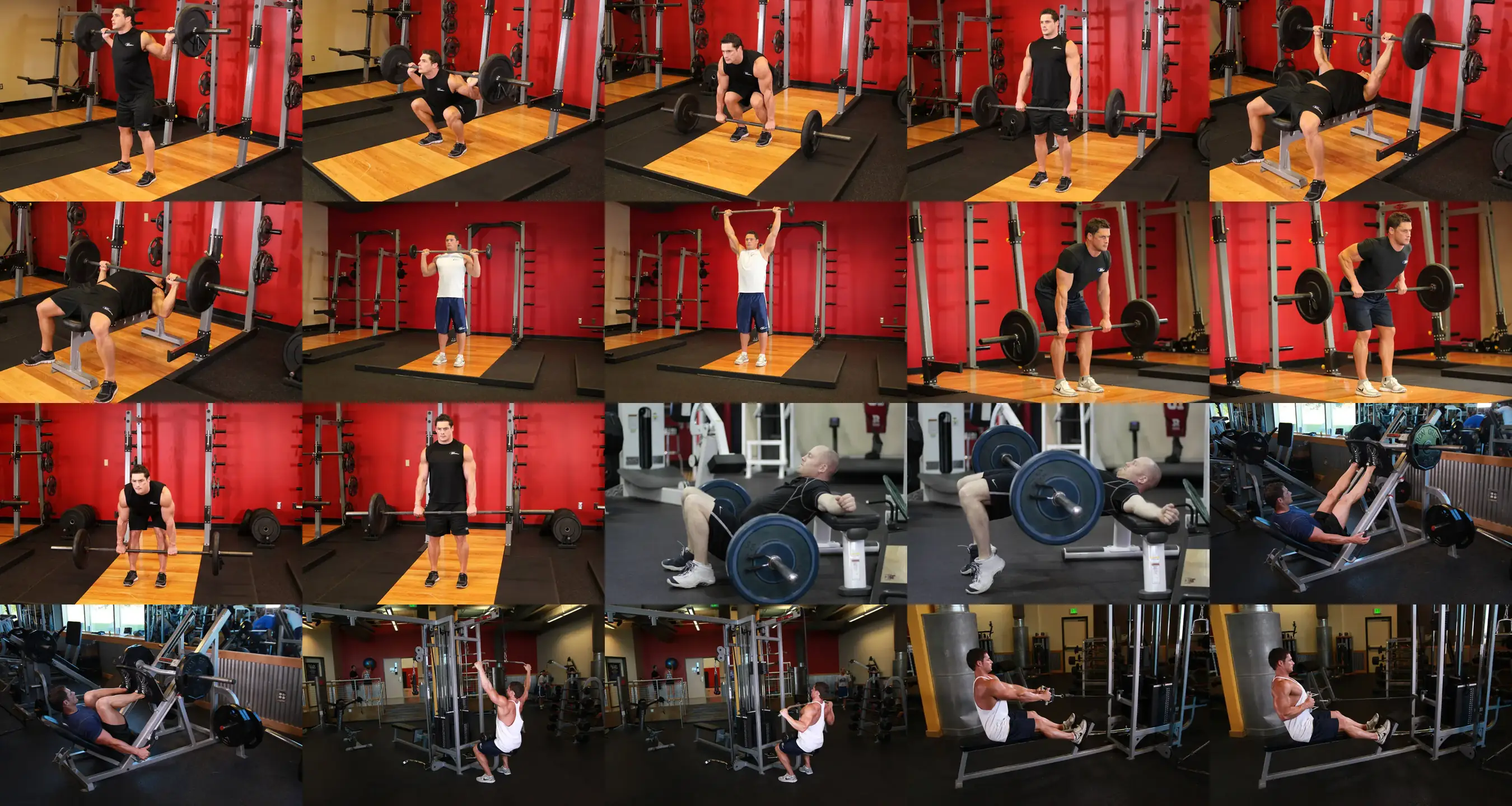
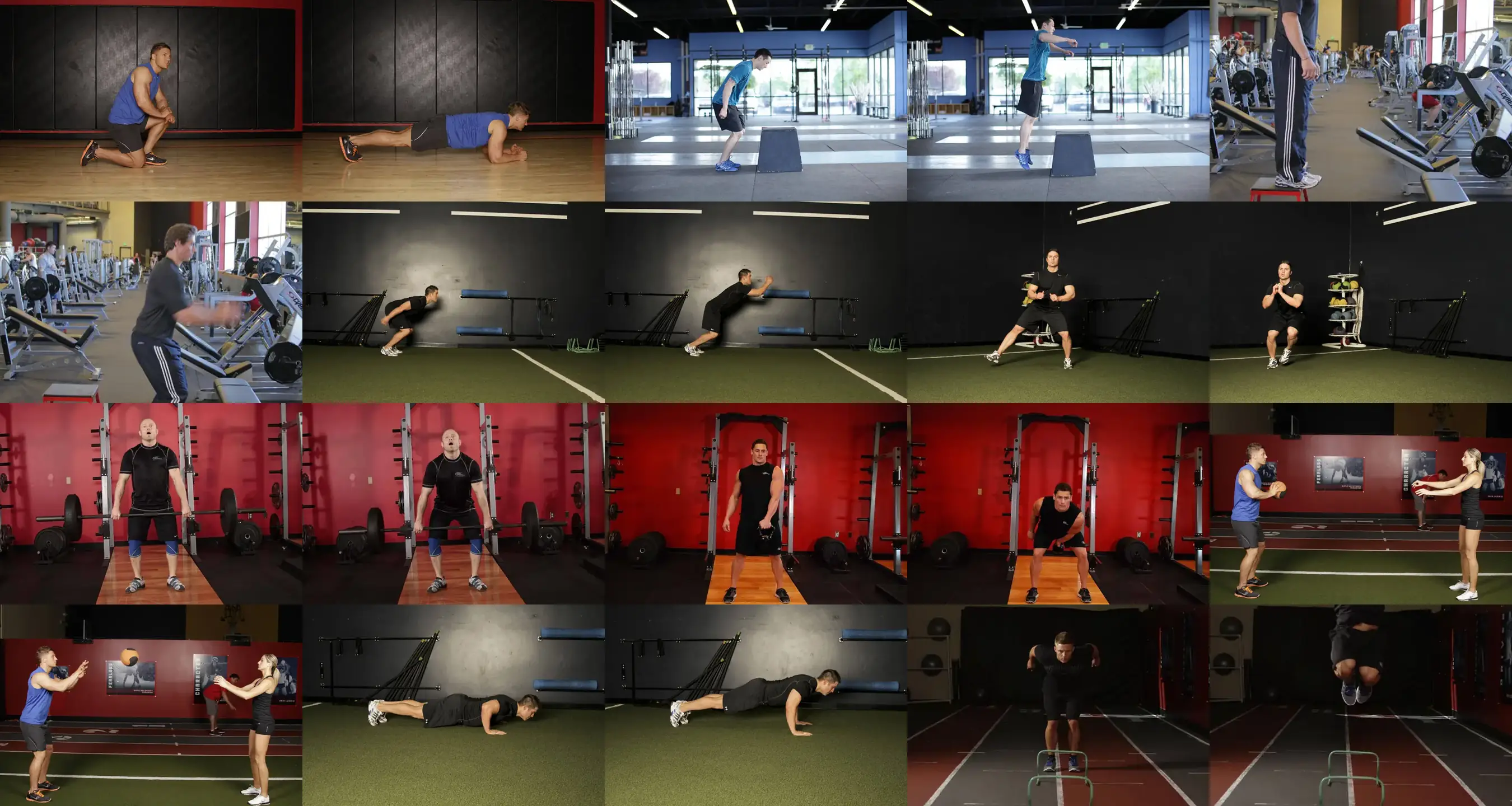
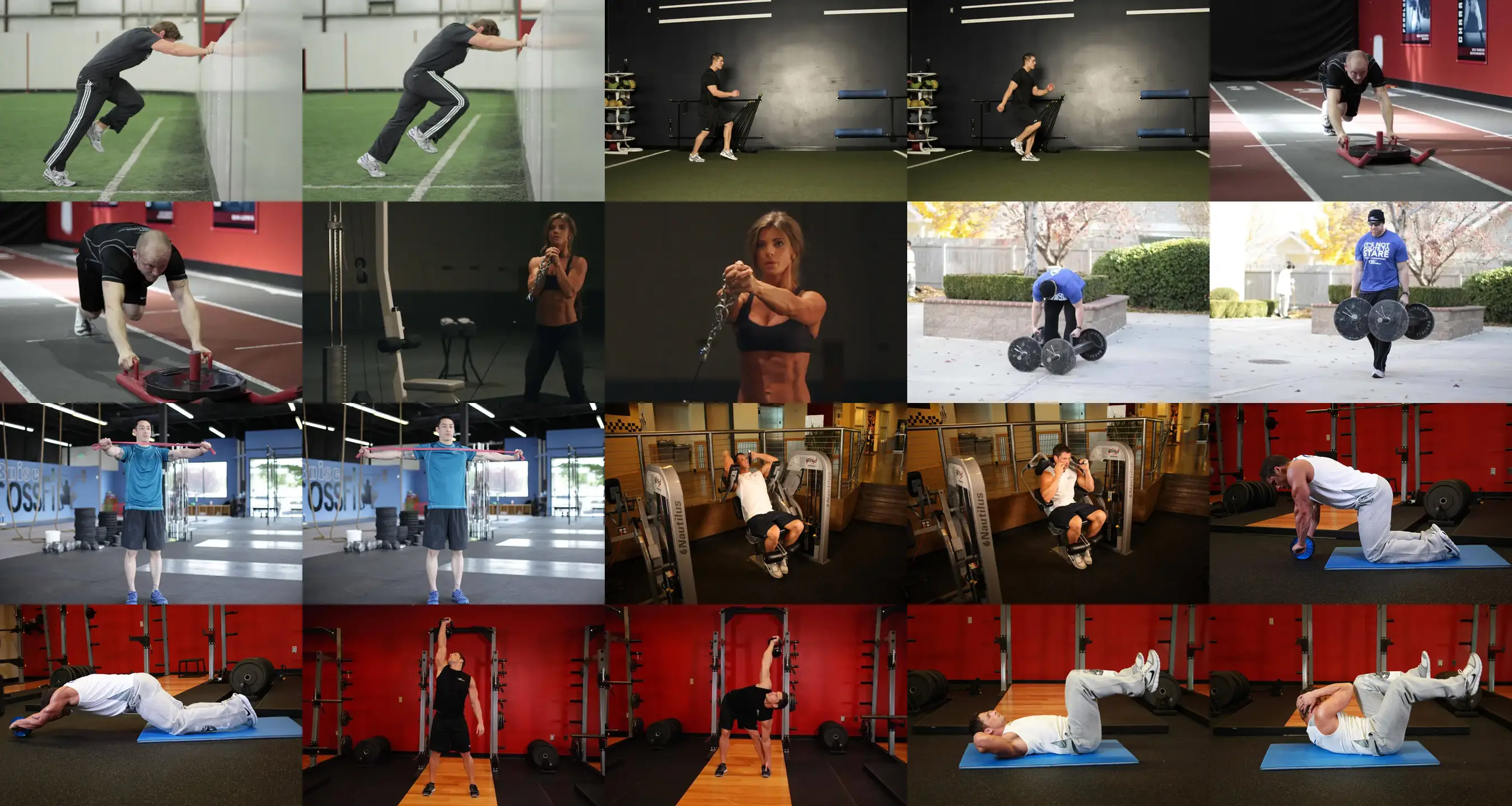
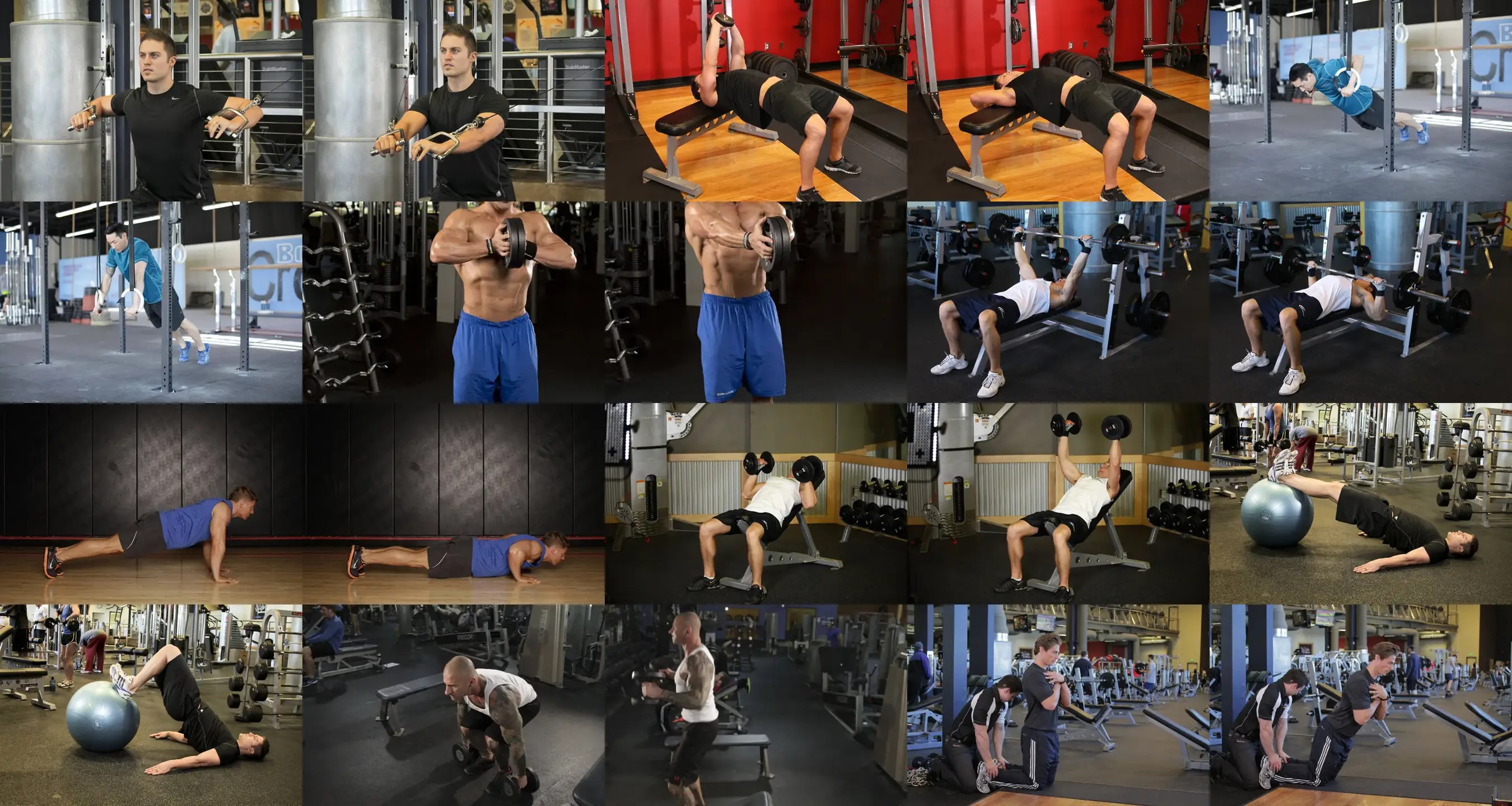
Vertical jump, braking, and ankles and knees that hold up all season. Here are the 150 exercises that help you most, sorted by goal.
Basketball asks you to jump, stop, and change direction hundreds of times per game. Strength training helps you jump higher and move faster, but above all it prepares your ankles and knees to survive a long season without breaking down.
Paid program · 6 weeks
A higher vertical, a quicker first step and knees and ankles that handle stops and landings all season.
A player performs dozens of jumps and hundreds of accelerations, decelerations, and cuts per game. You need vertical jump power, quick first steps, eccentric strength to brake and land, and the ability to repeat intense efforts with short breaks. The quads, glutes, calves, and tendons absorb most of the impact. Contact in the paint also calls for a strong core and upper body to hold your position.
In the off season and preseason, two or three sessions a week build strength with squats, trap bar deadlifts, lunges, and progressive plyometrics. In season, one or two short sessions maintain strength and power with a few heavy sets and limited jump volume, since games and practices already add a lot of impact. Put the hardest session farthest from game day and adjust to your weekly schedule.
Ankle sprains are the most common injury, followed by patellar tendinopathy, known as jumper's knee, and ACL injuries. Include single leg balance work, calf raises, patellar tendon loading such as isometric or slow squats, and landing drills with knees tracking over the toes. Monitor total jump volume and consider ankle braces if you have a history of sprains.
Combine maximal leg strength from squats and deadlifts with progressive plyometrics like box jumps and countermovement jumps. Two or three sessions a week for 8 to 12 weeks usually brings noticeable gains.
It is a tendinopathy of the patellar tendon, just below the kneecap, caused by repeated jumping overload. It usually improves with progressive strength exercises and smart load management. If it persists, see a physical therapist.
Train single leg balance, strengthen your calves and peroneals, learn good landing mechanics, and wear proper shoes. If you have sprained an ankle before, full rehab plus taping or a brace lowers the risk of doing it again.
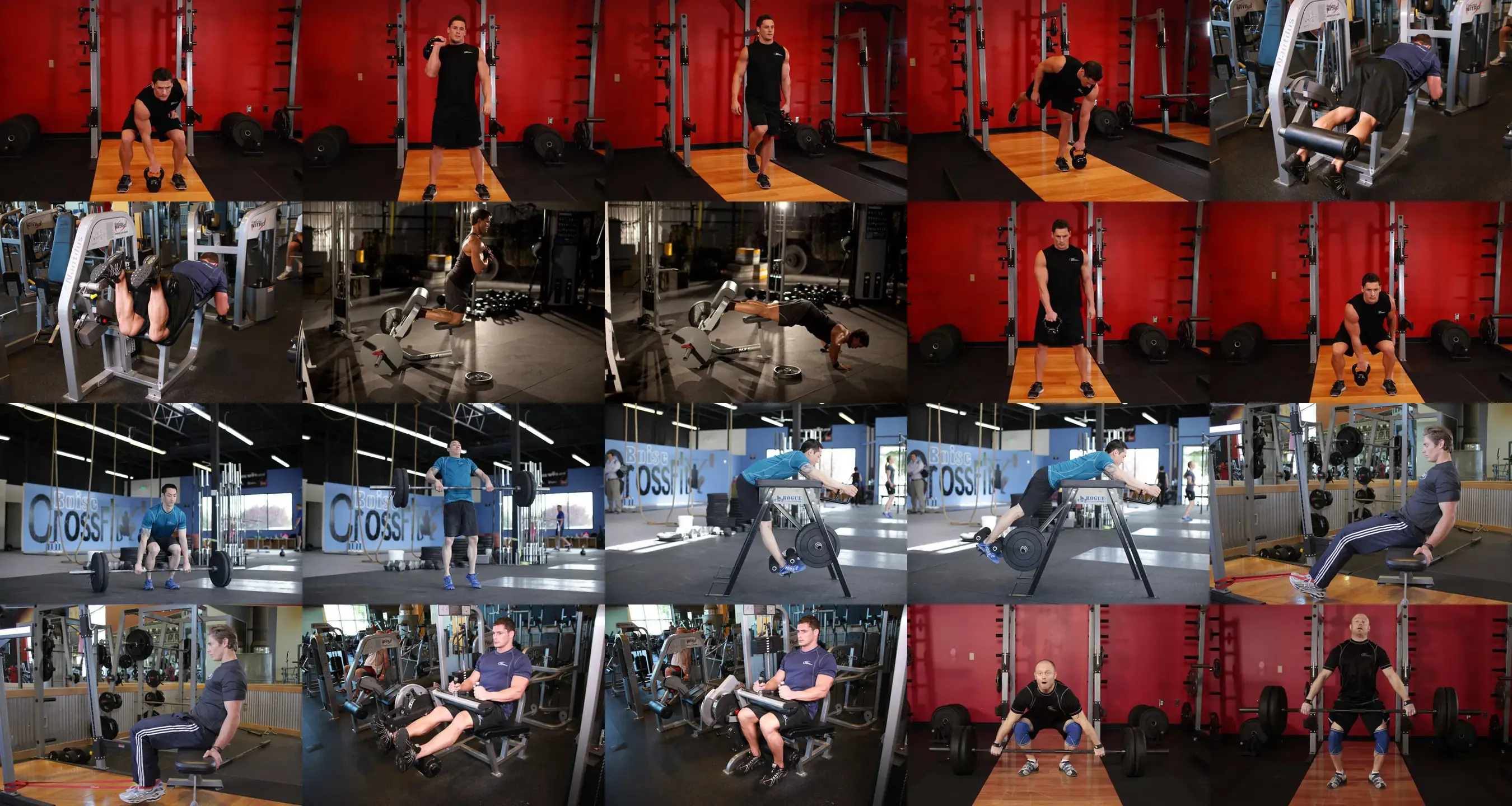
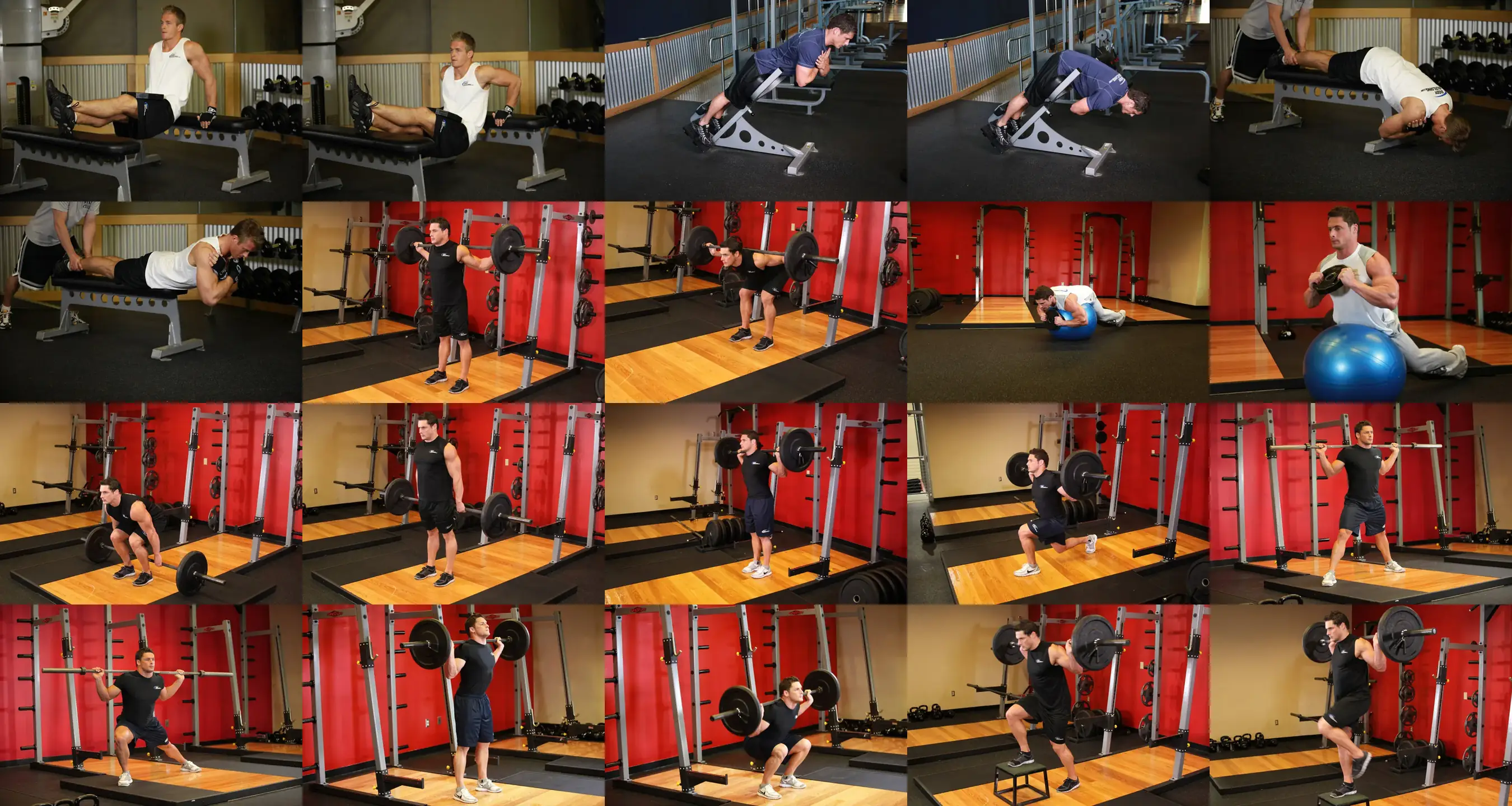
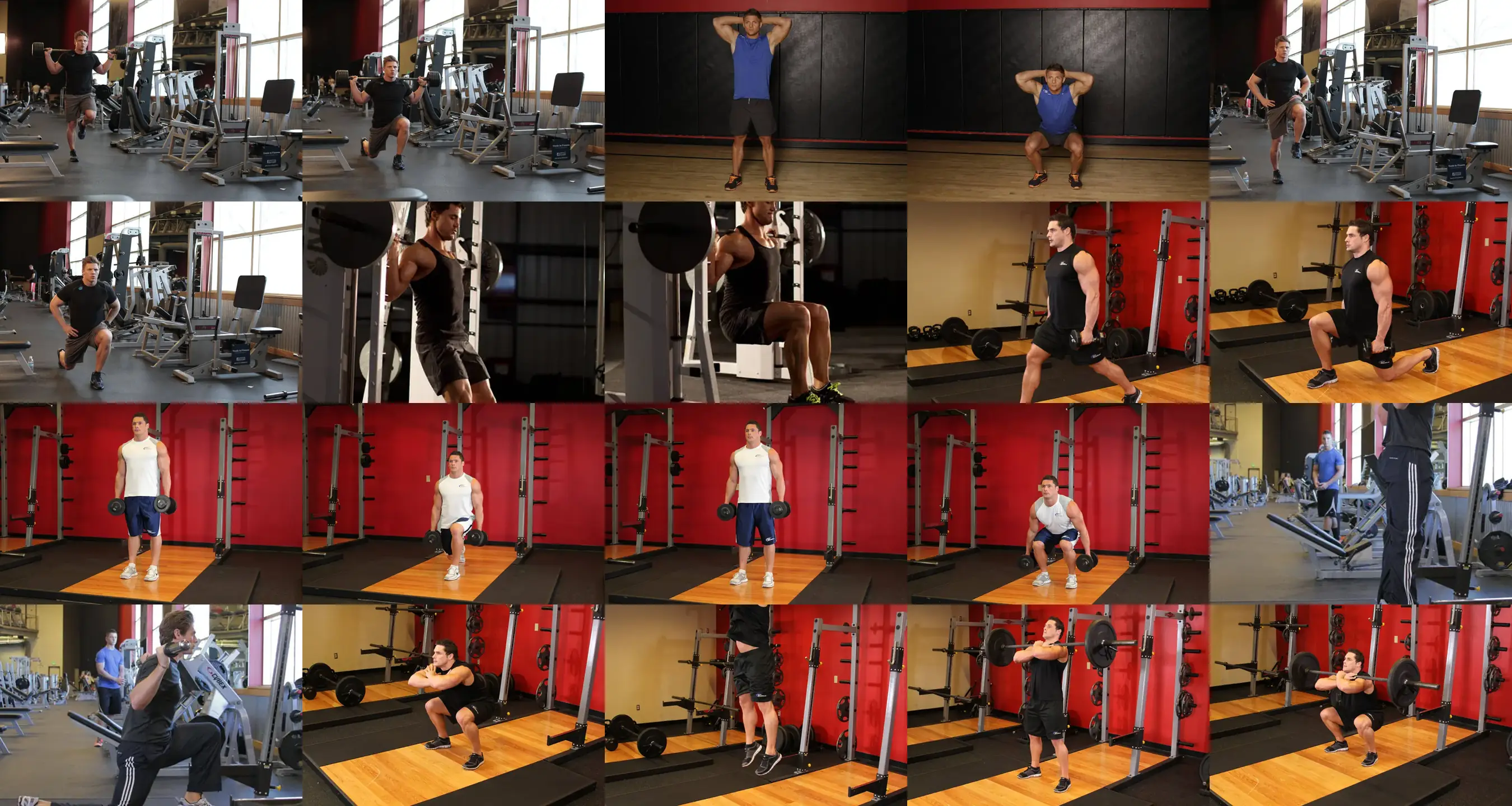
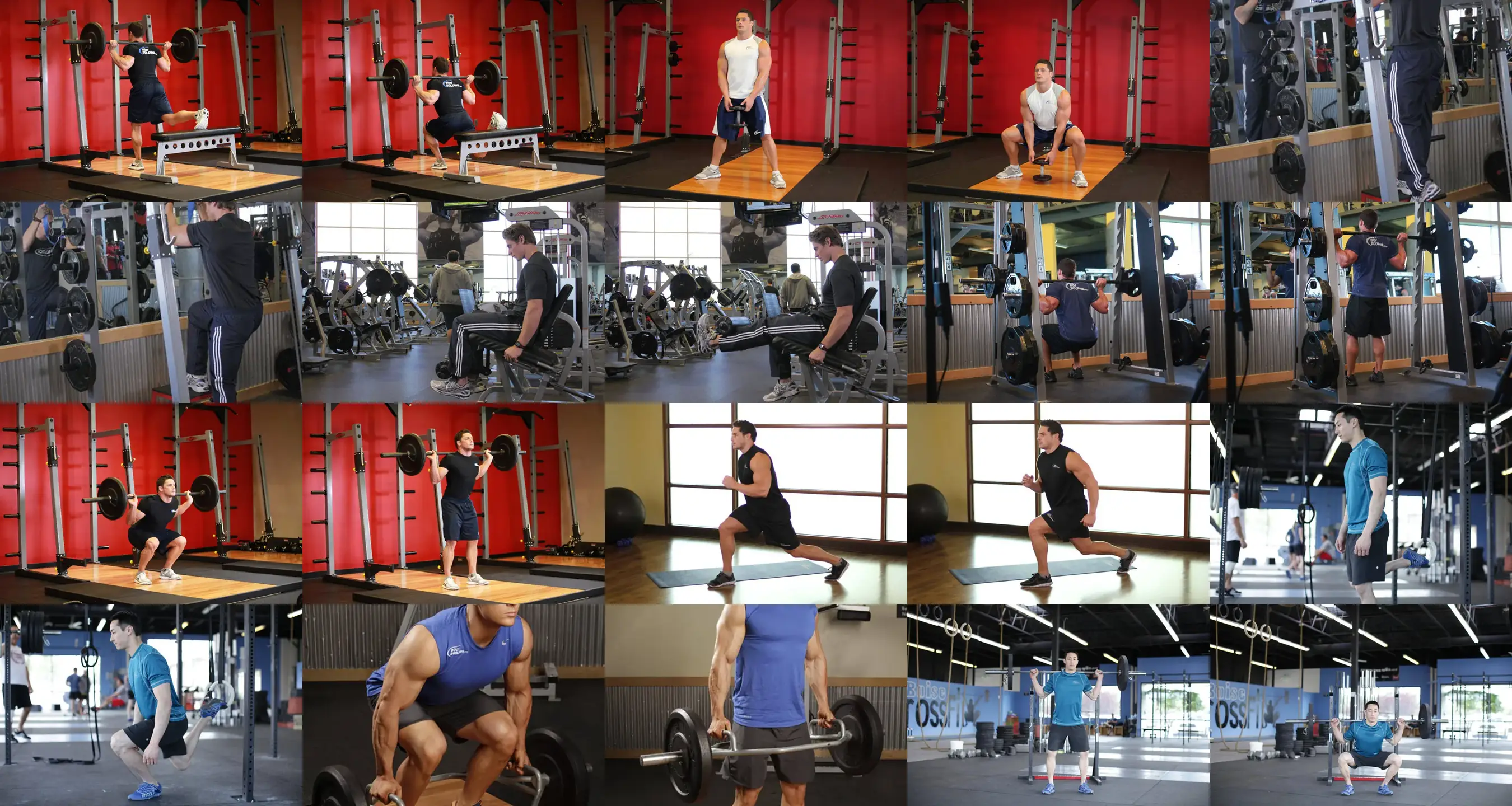
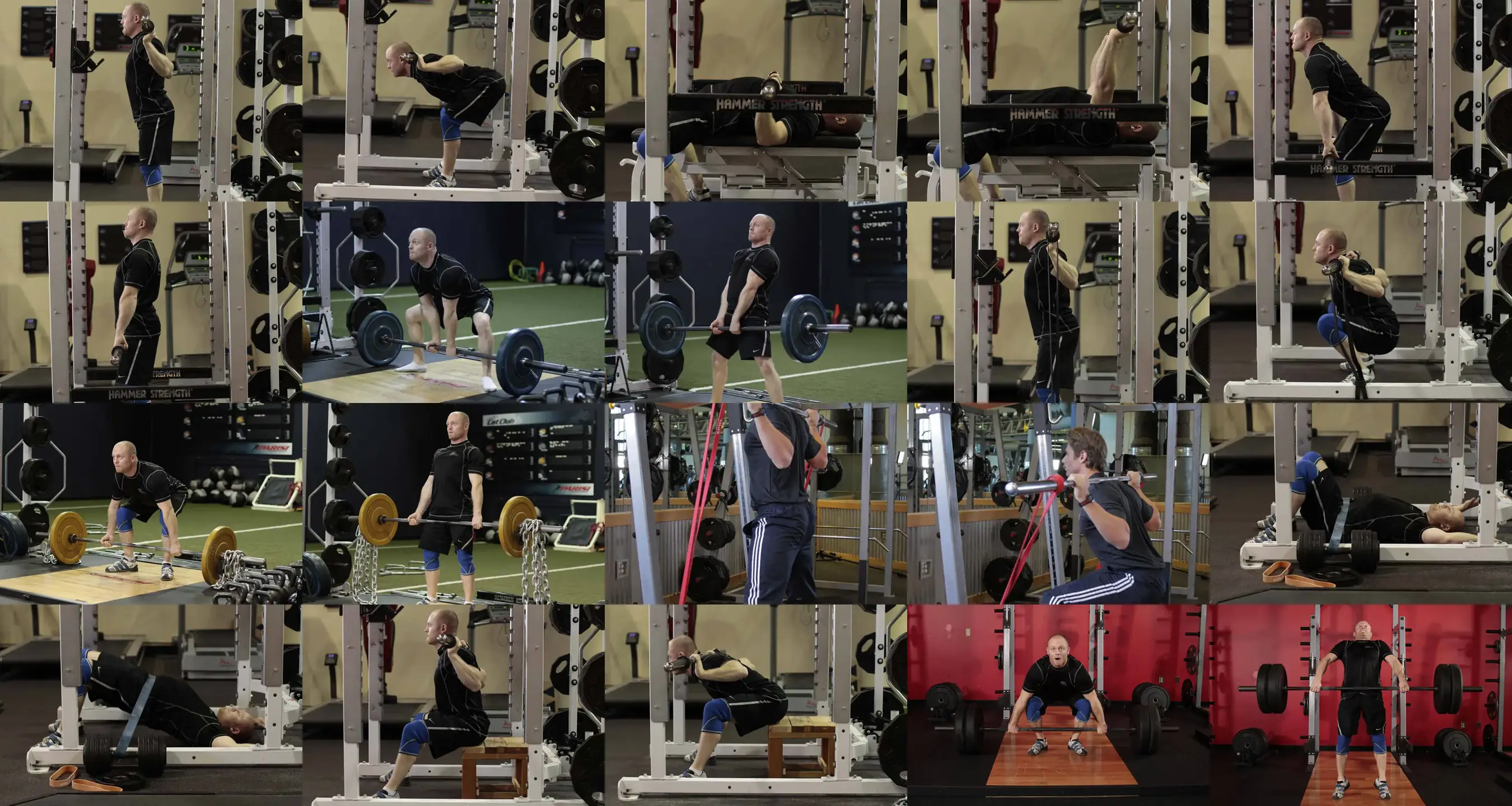
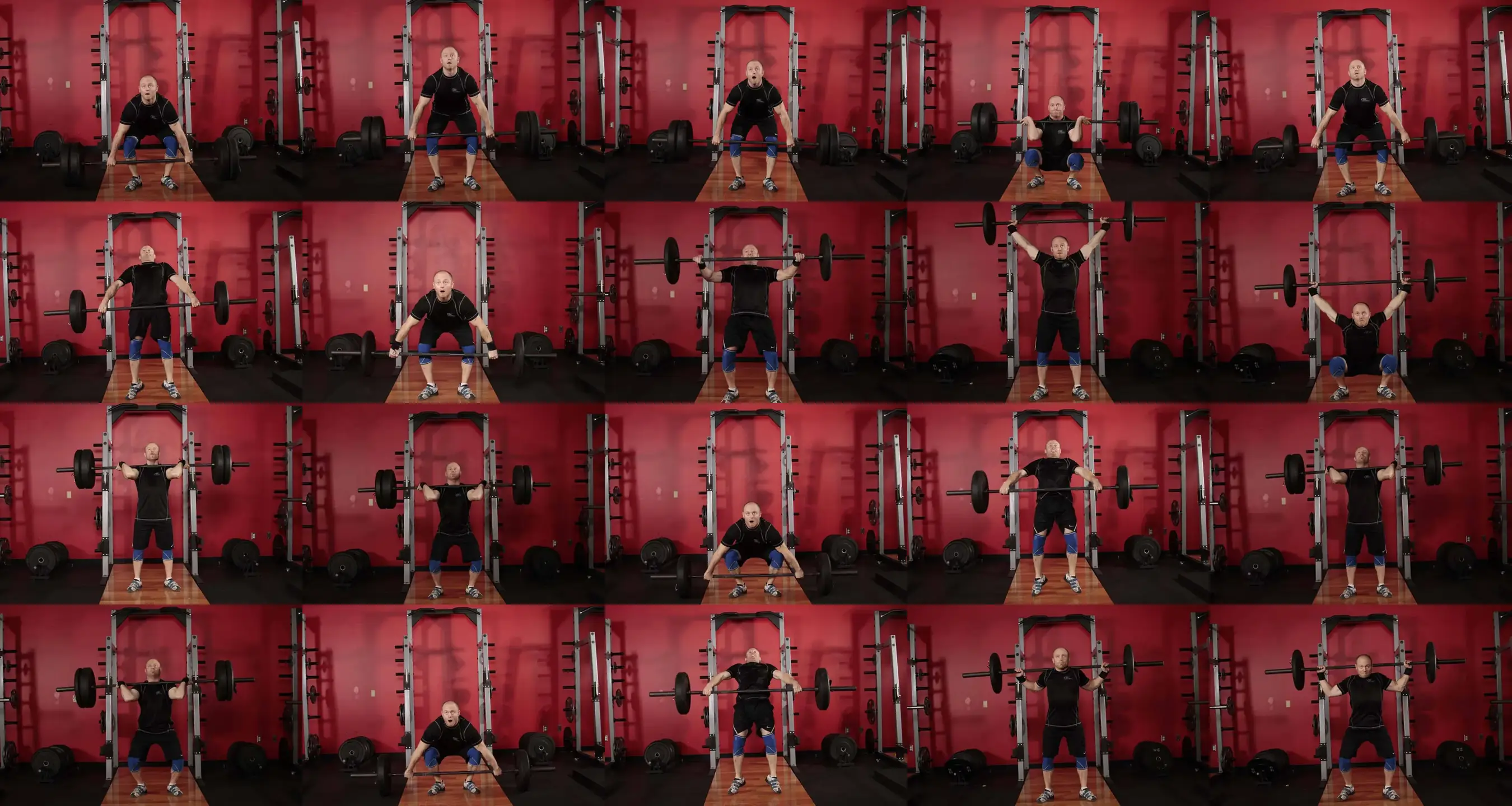
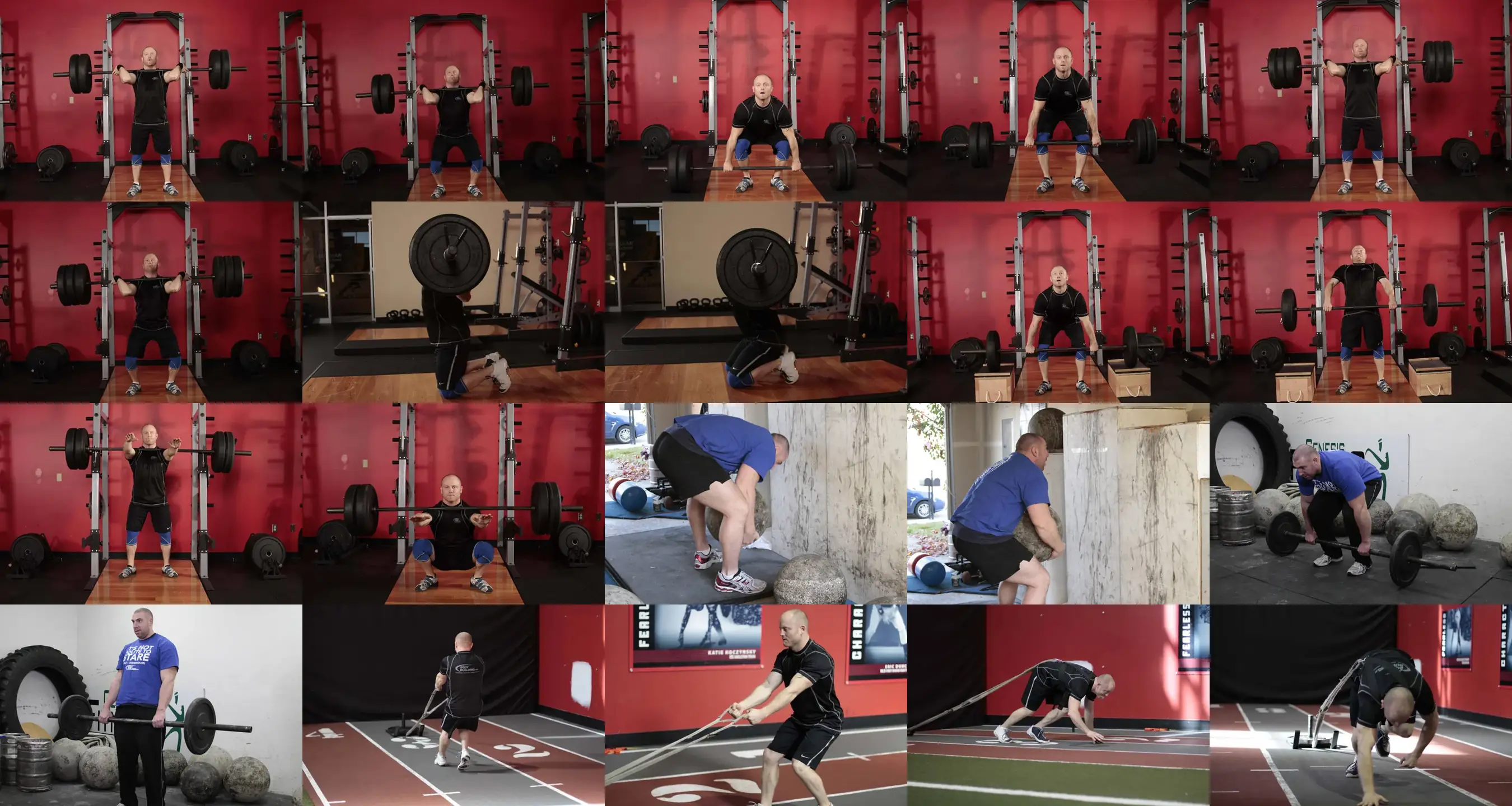
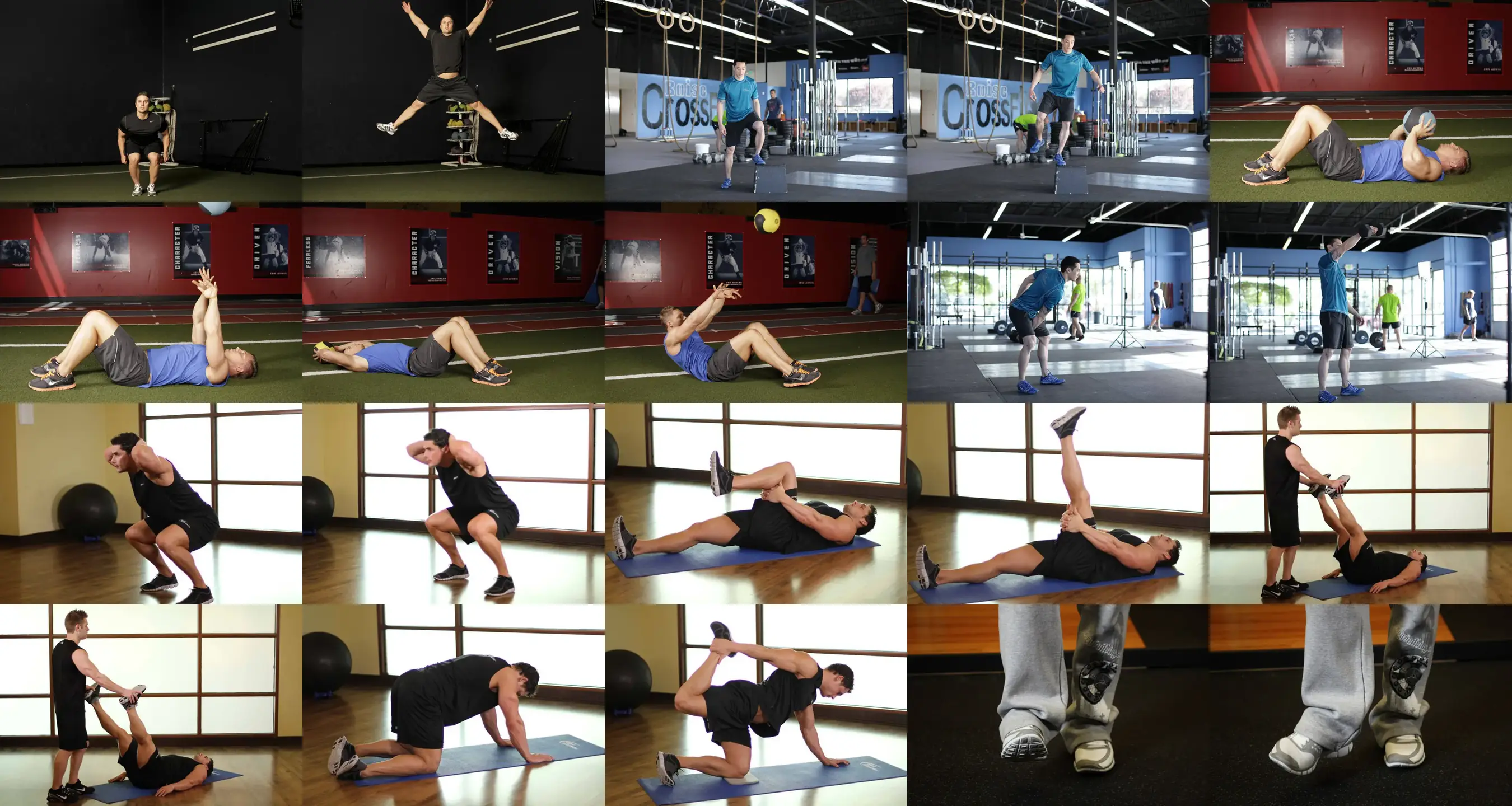
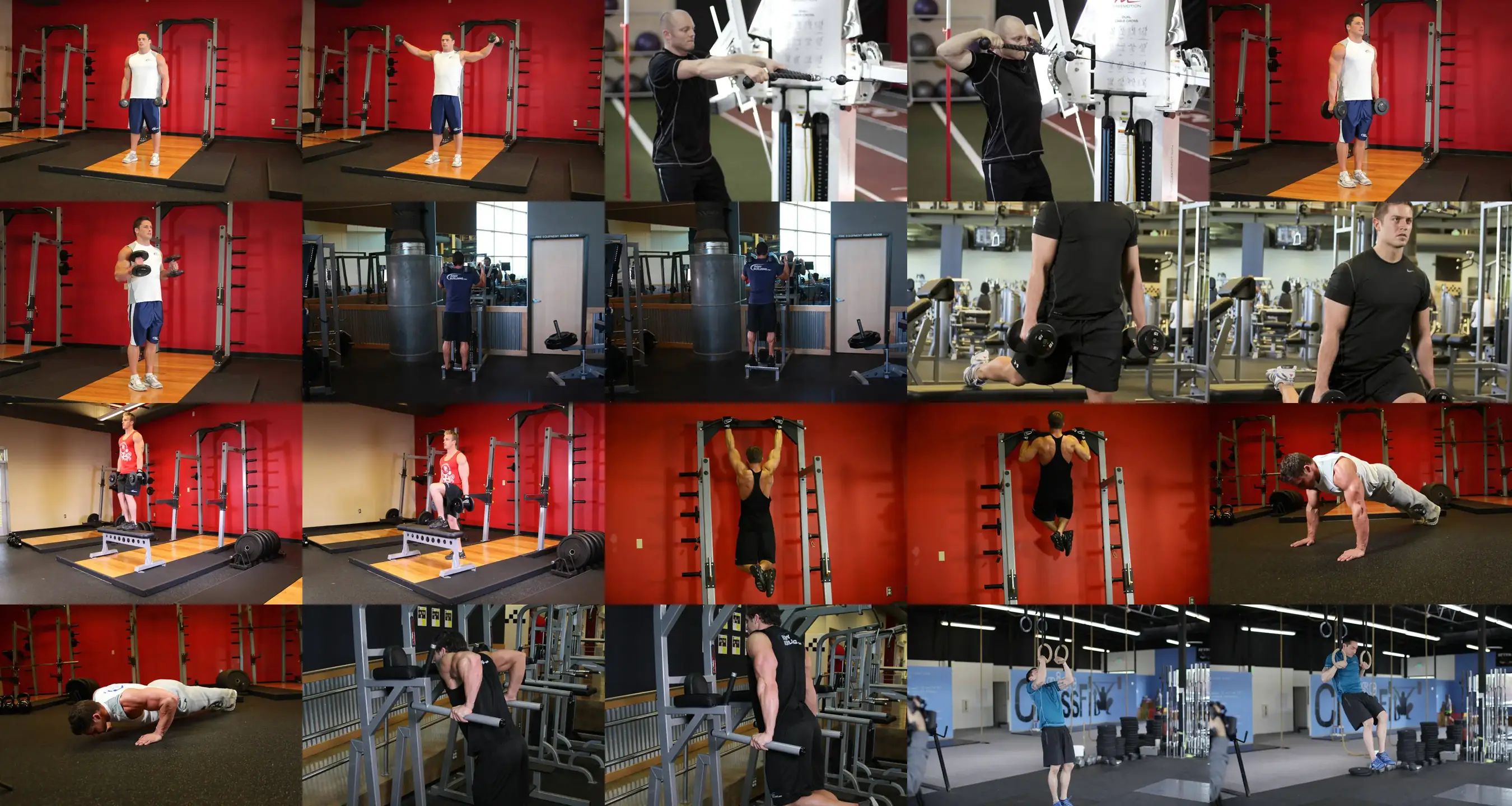
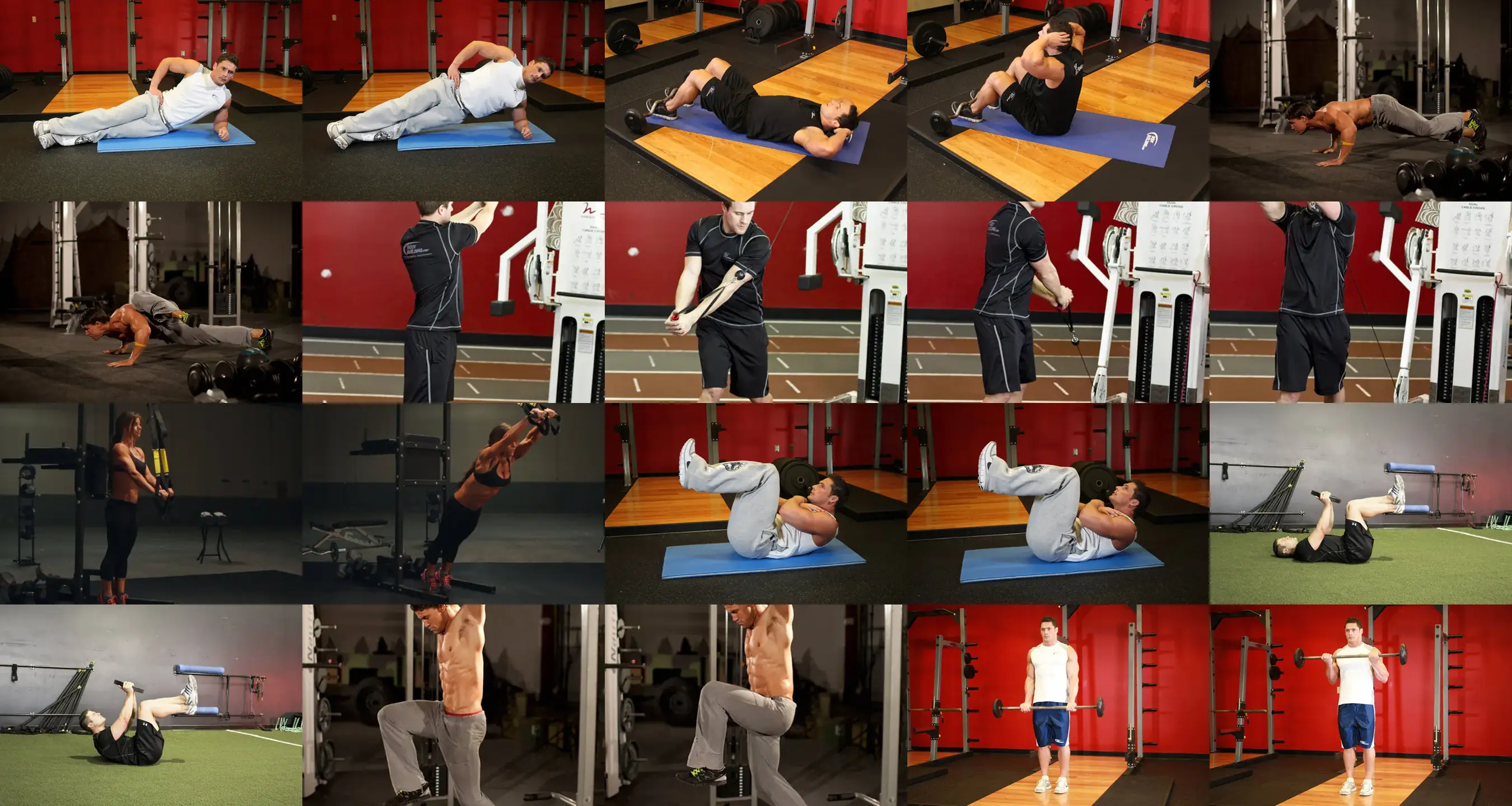
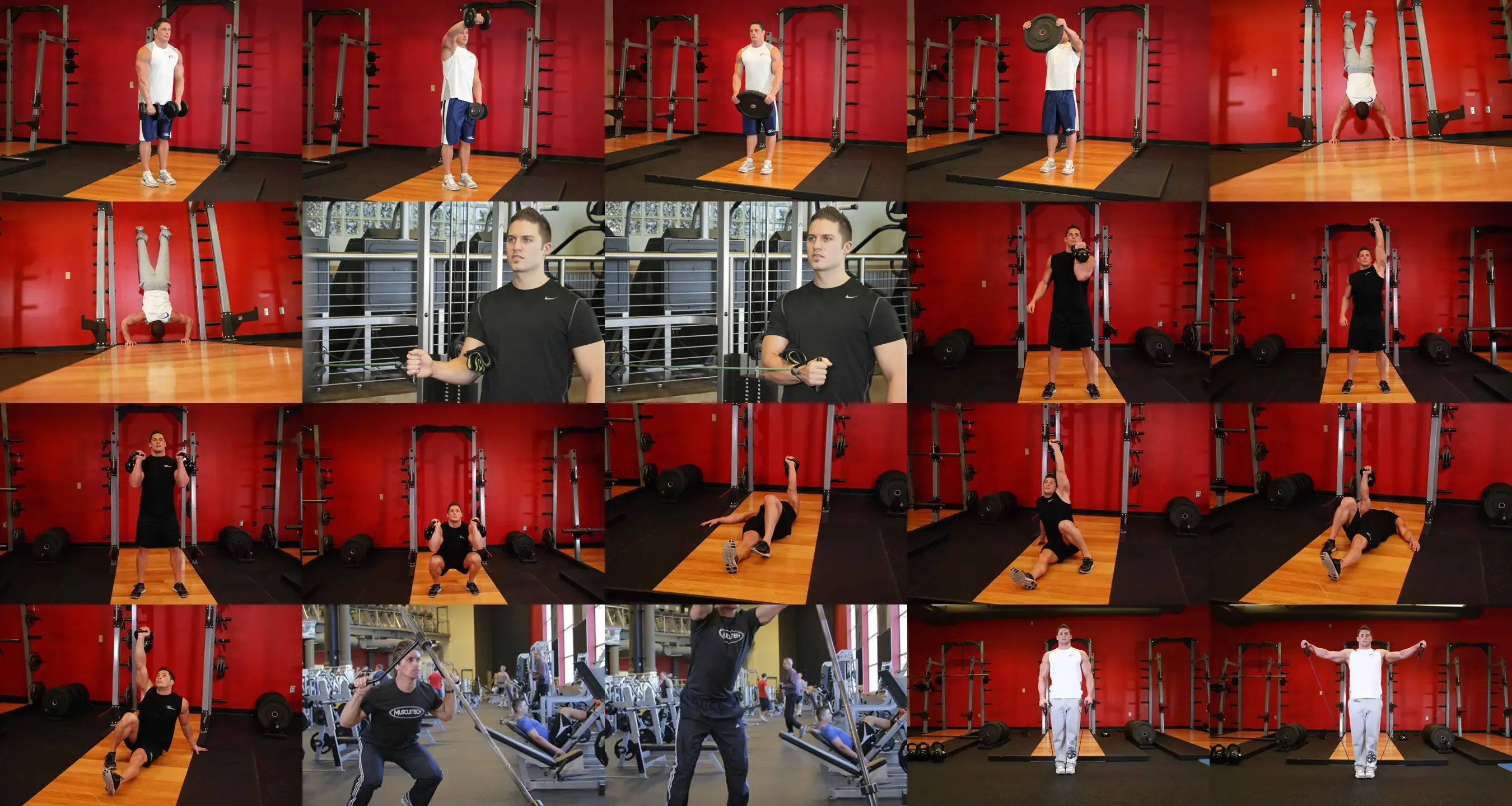
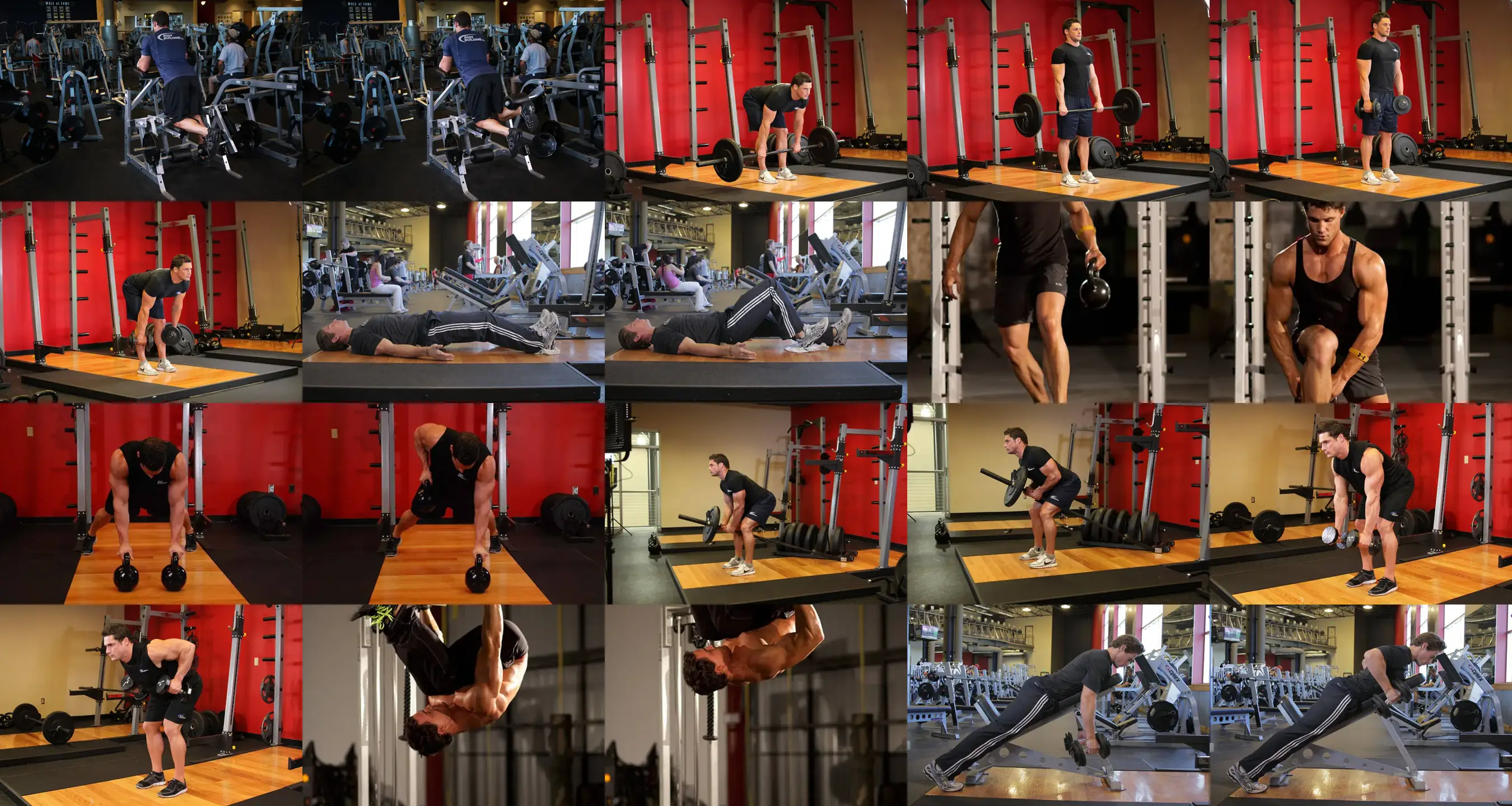
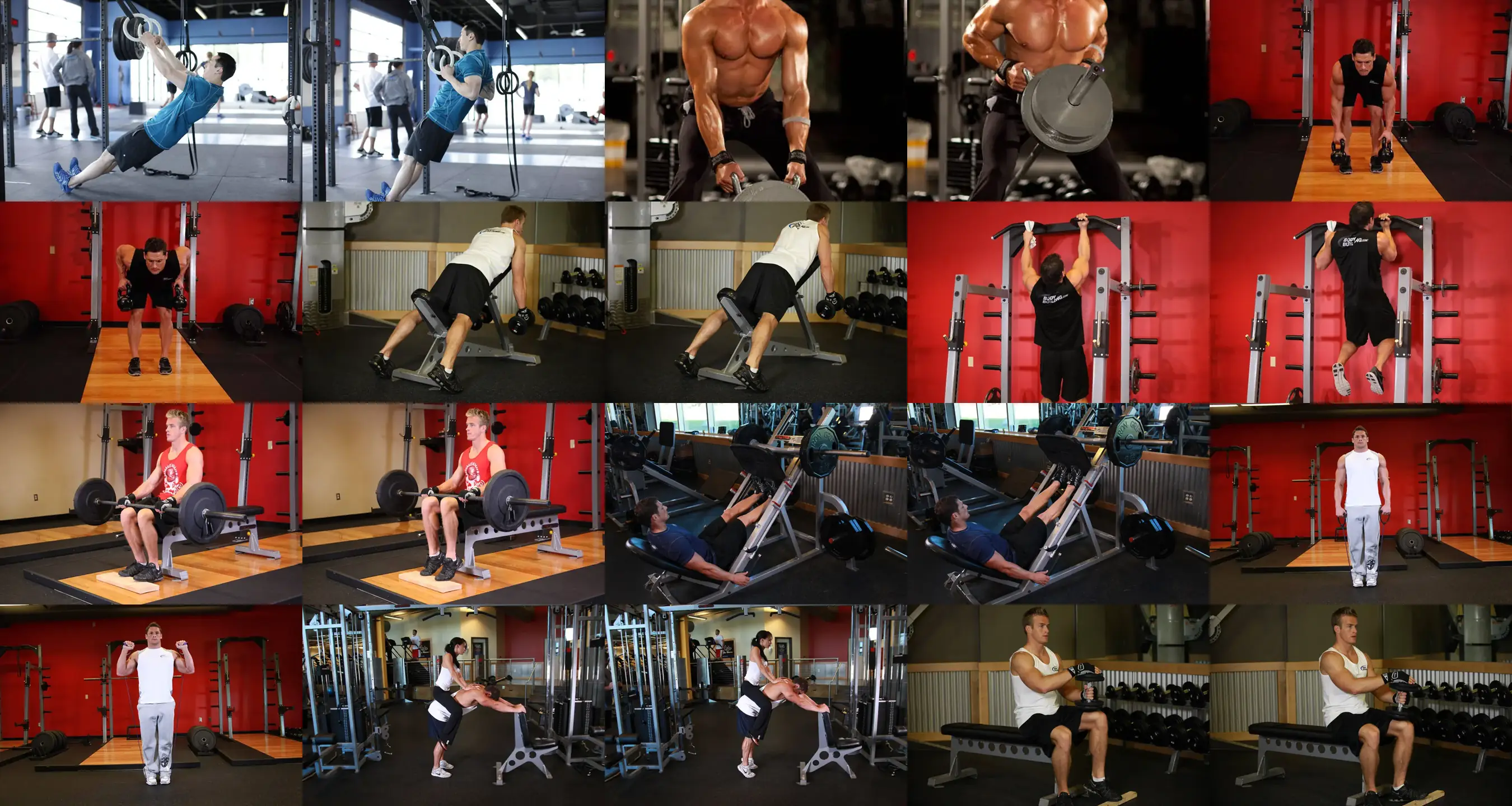
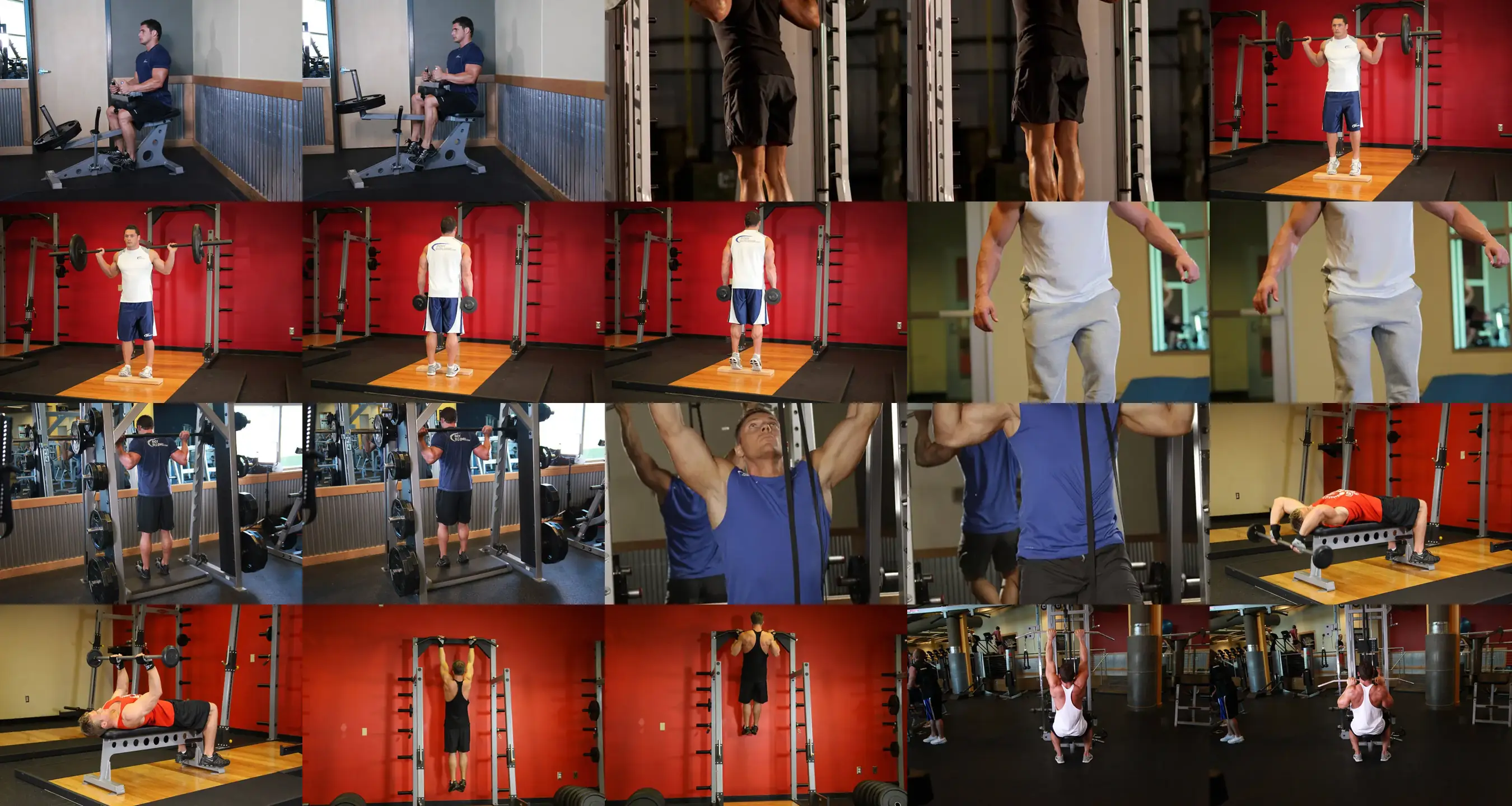
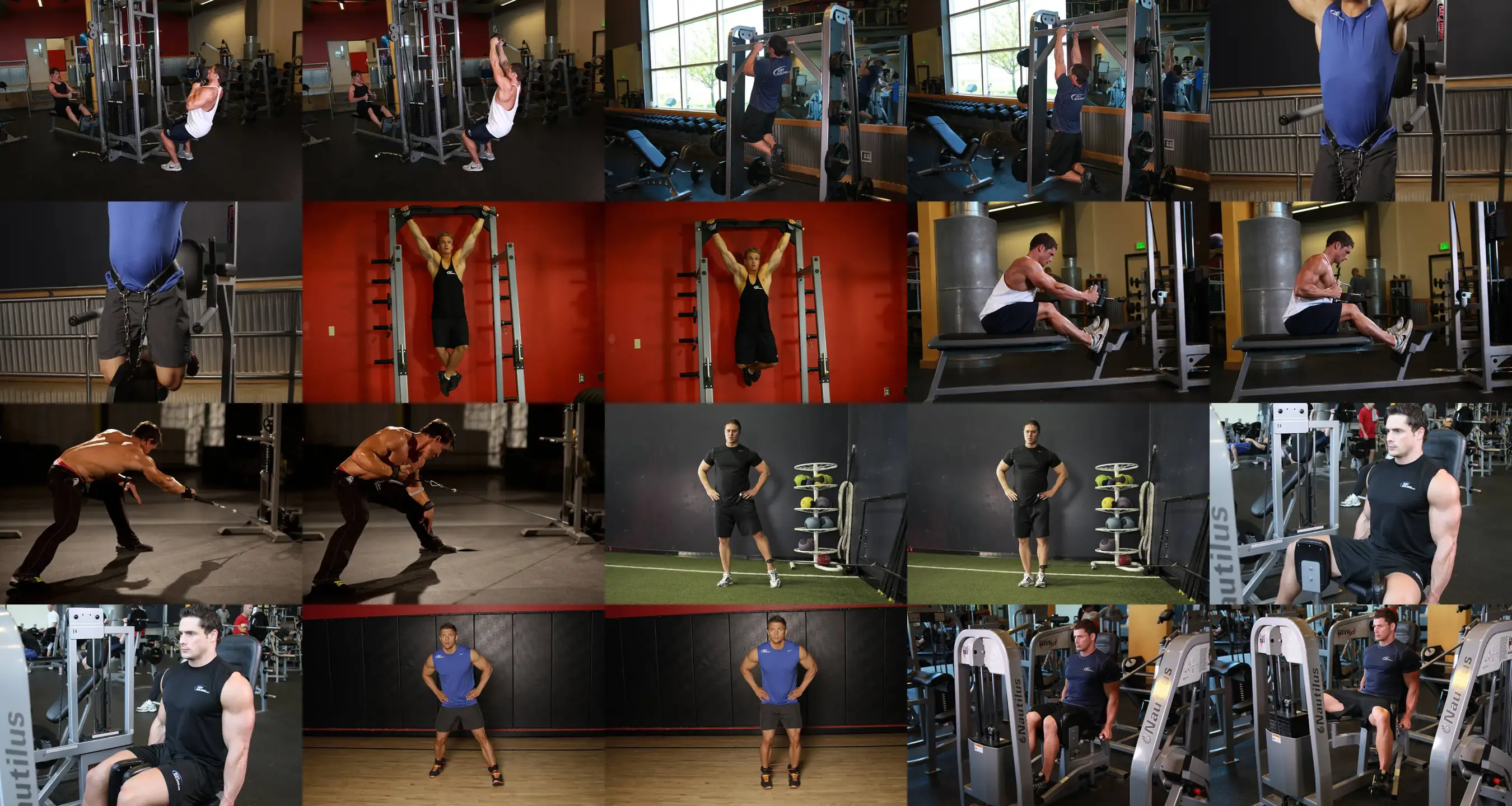
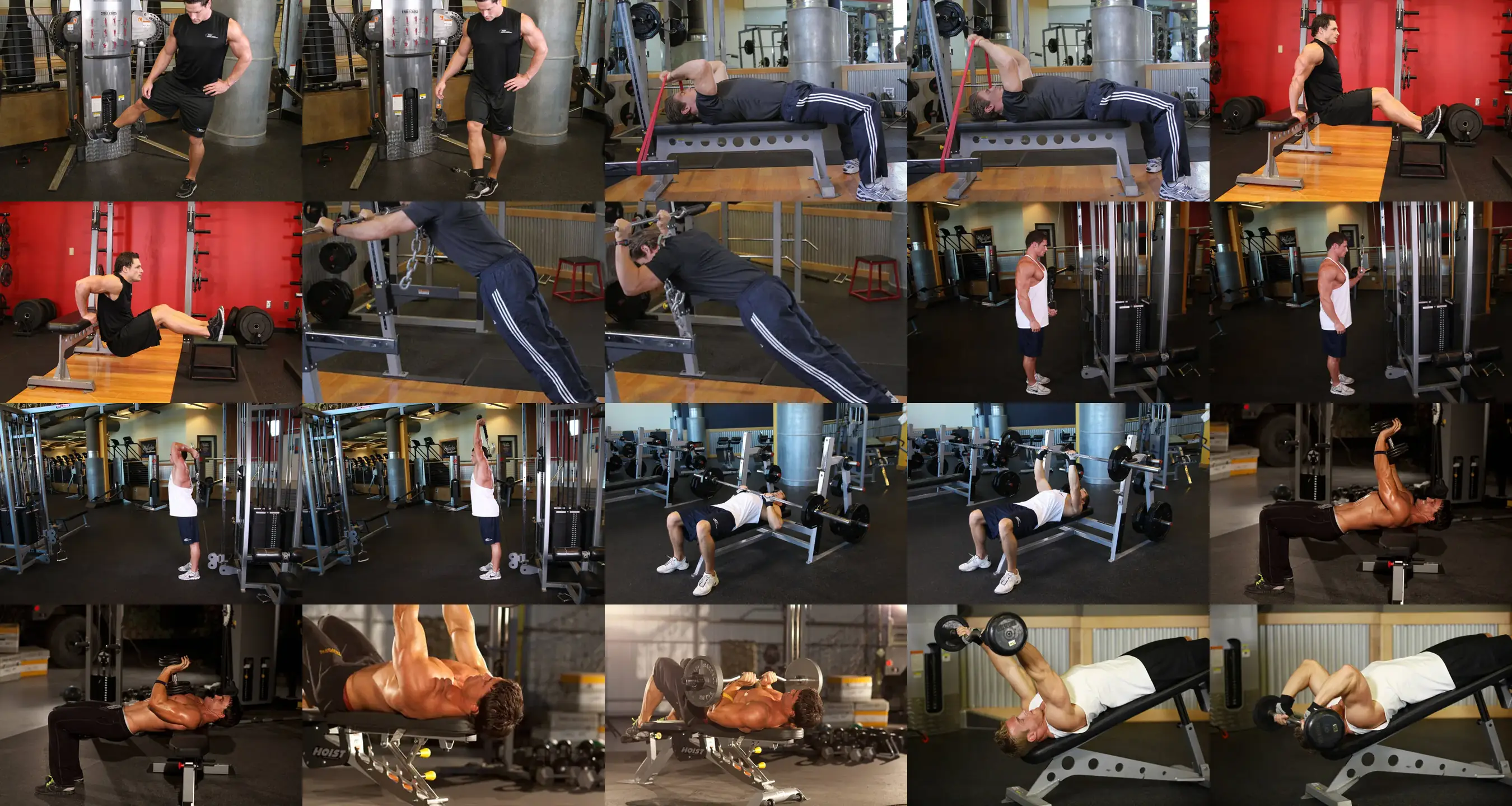
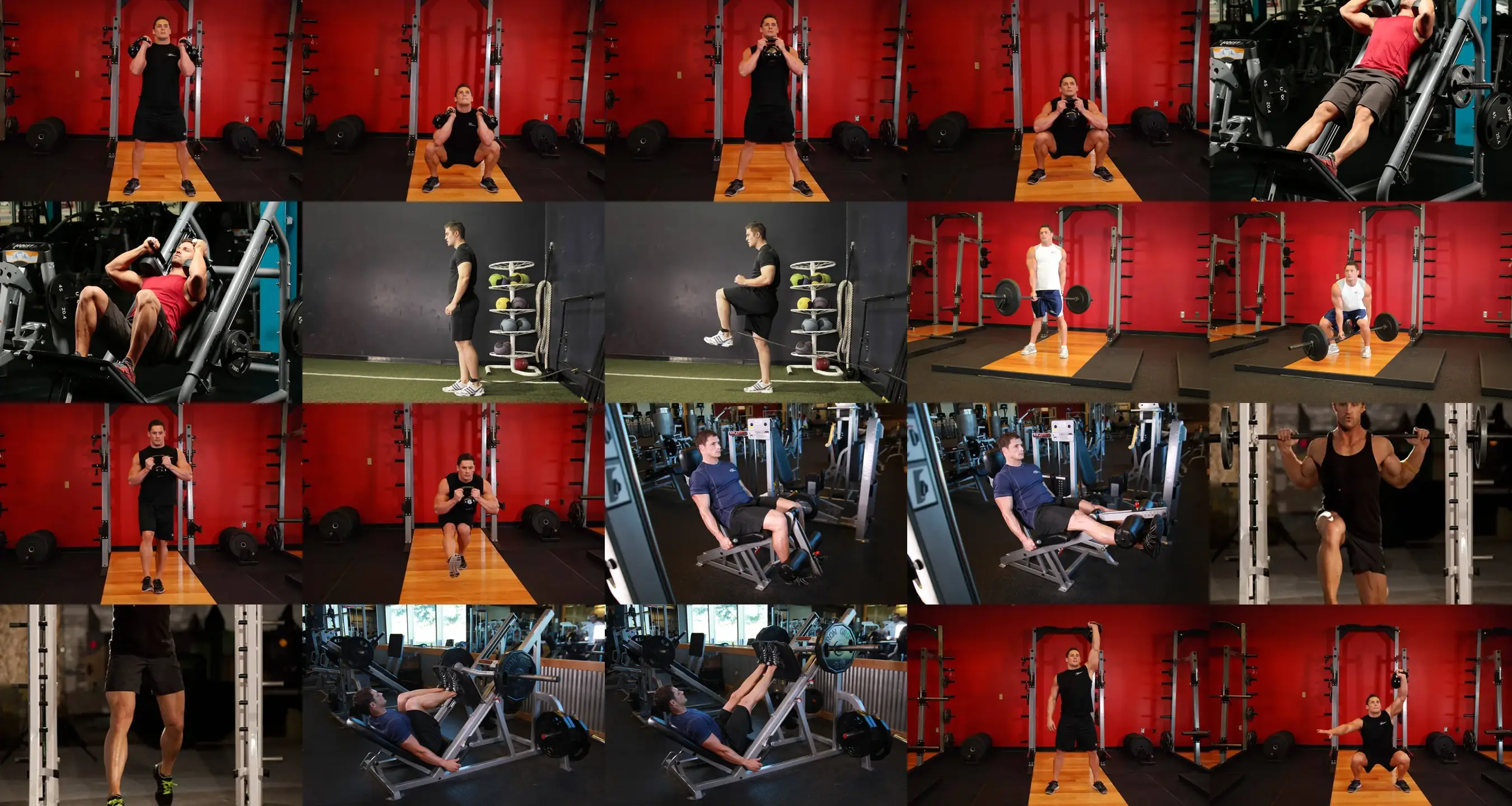
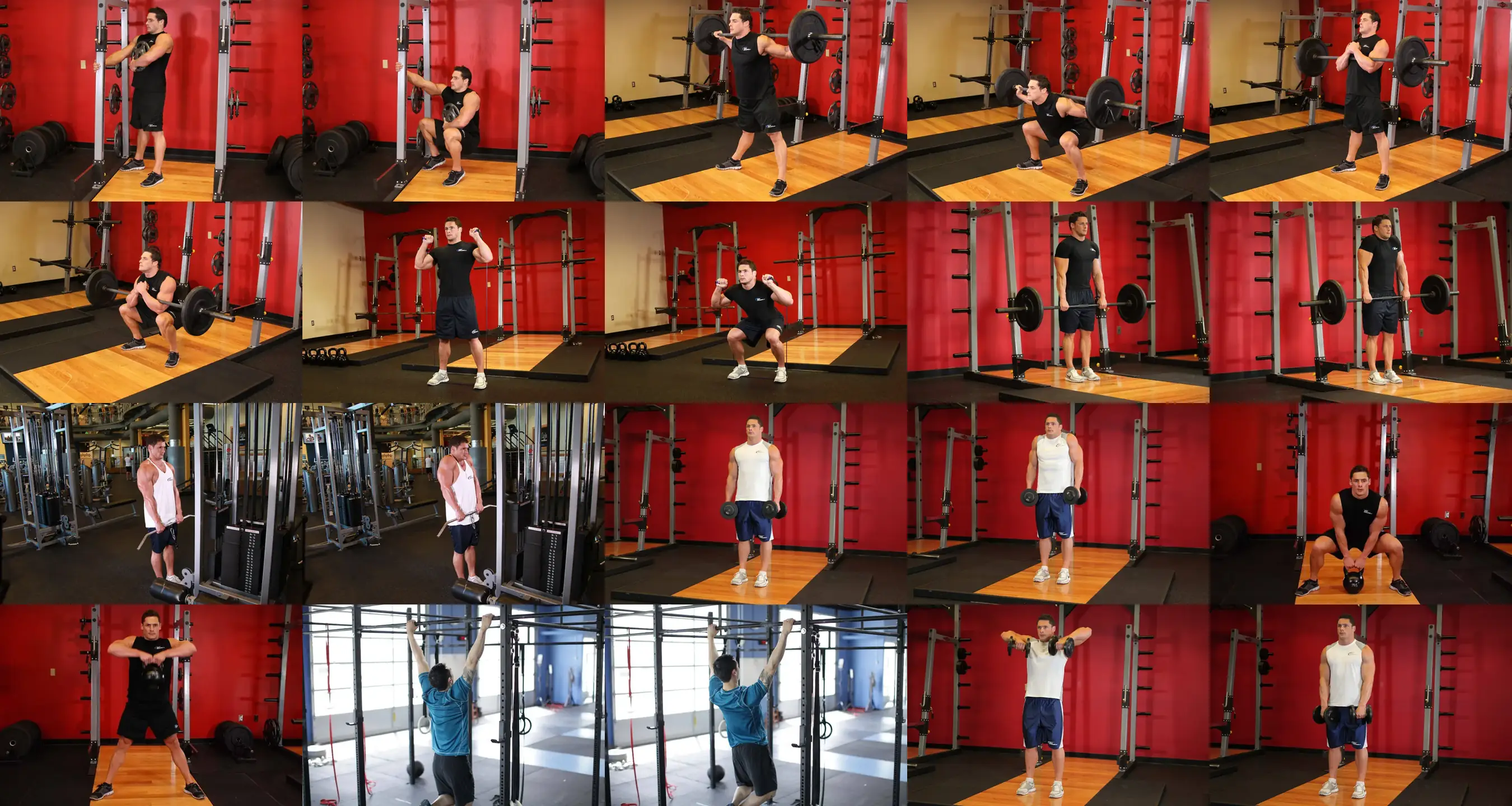
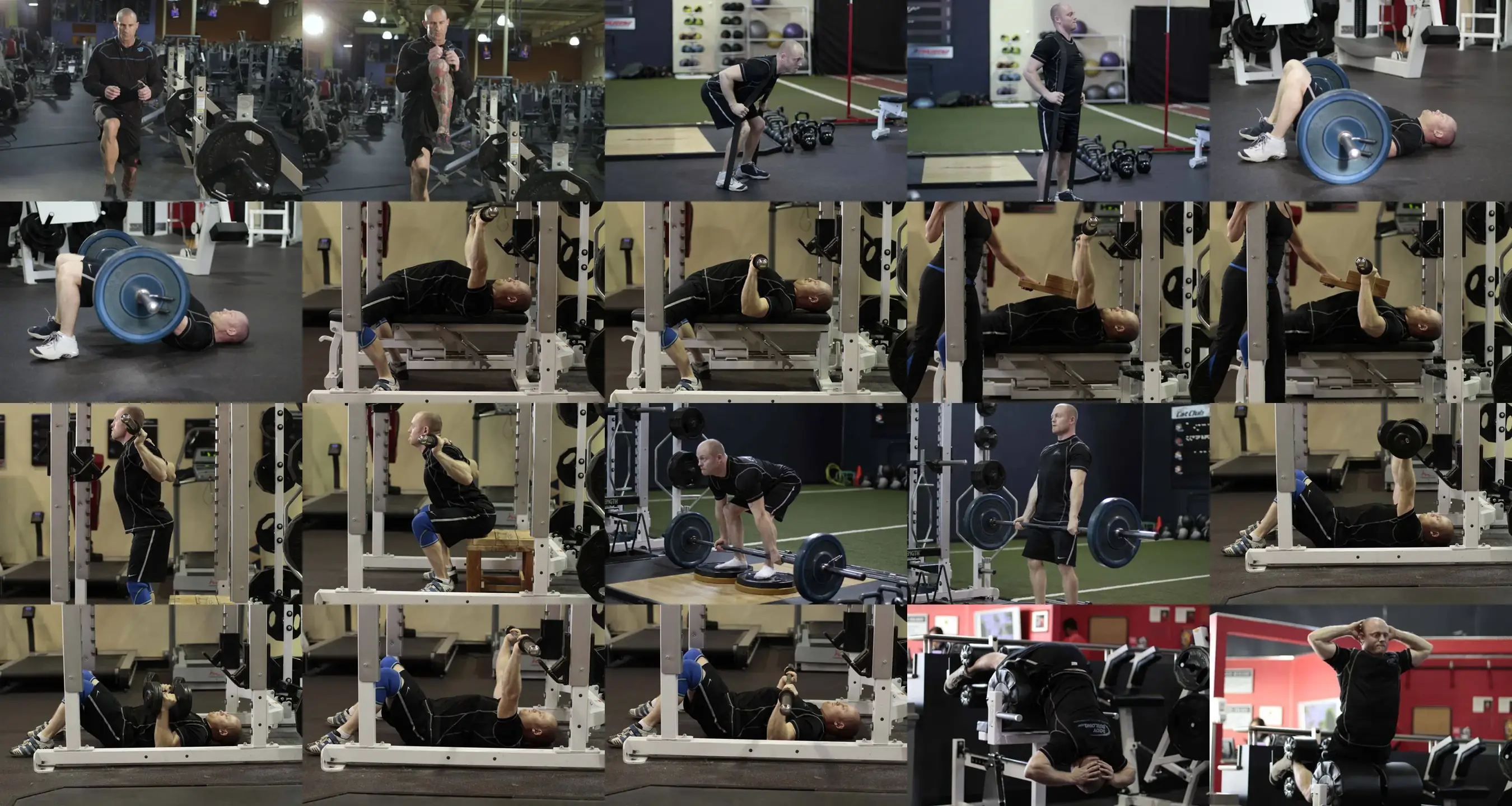
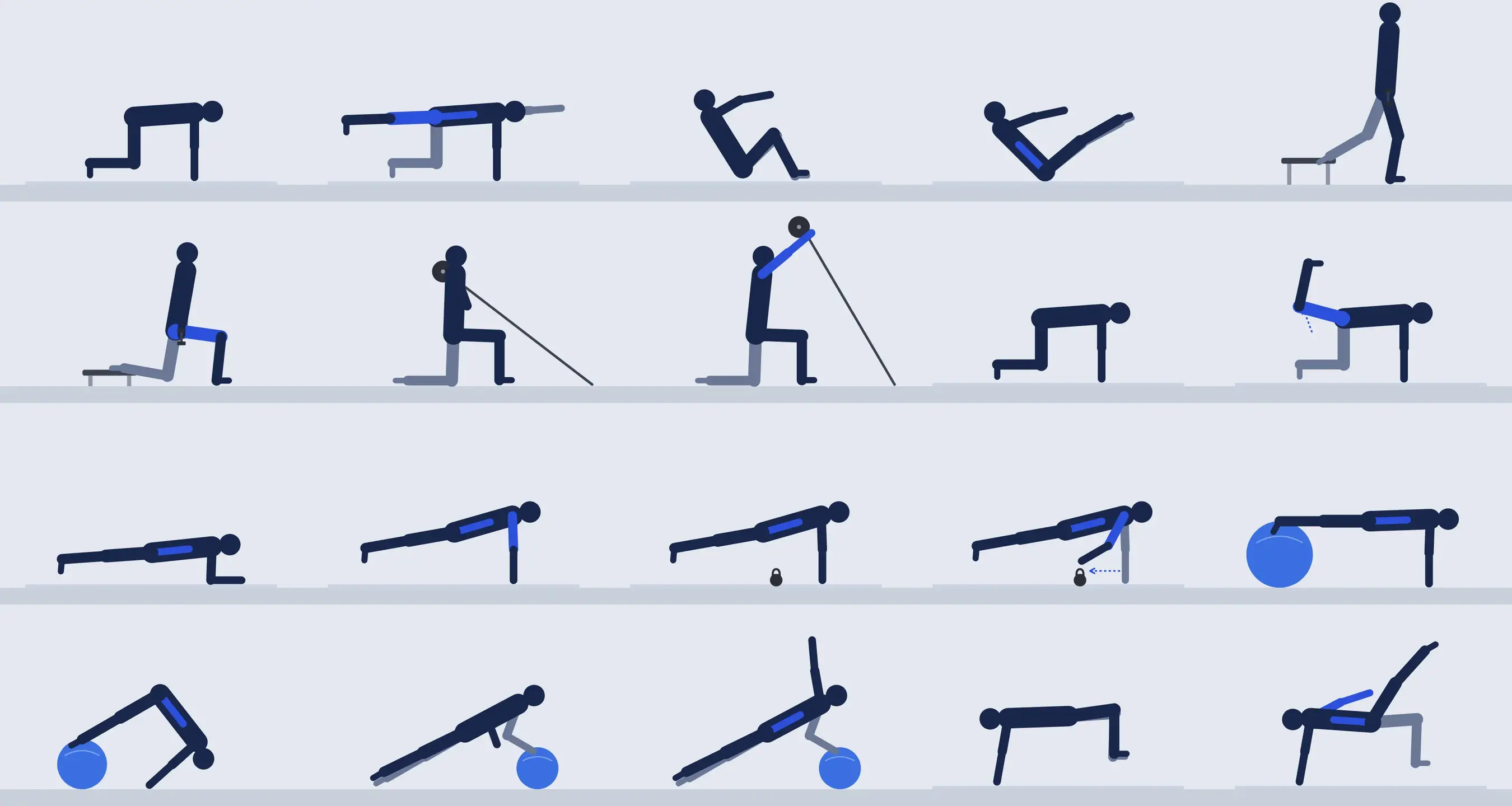
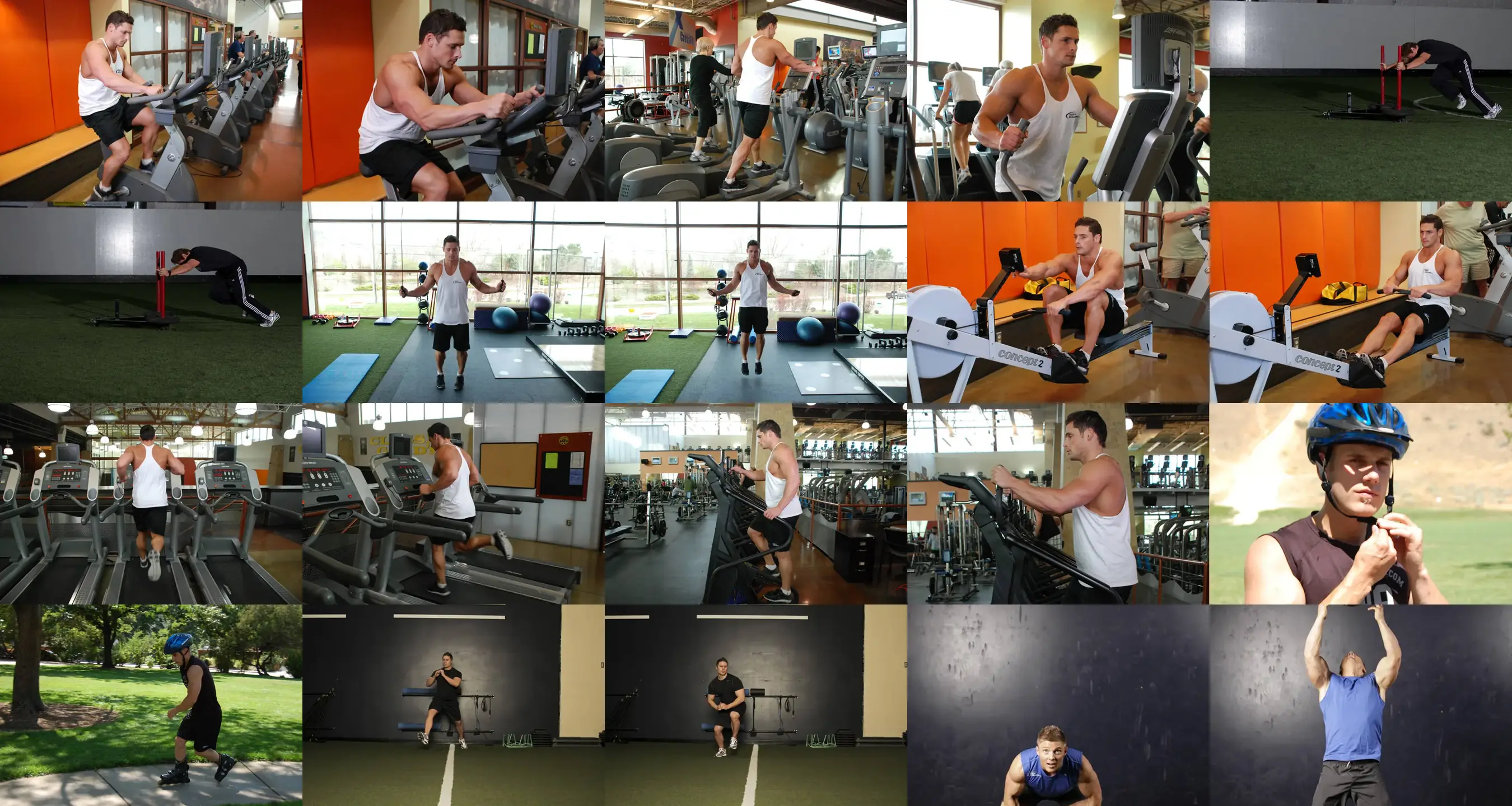
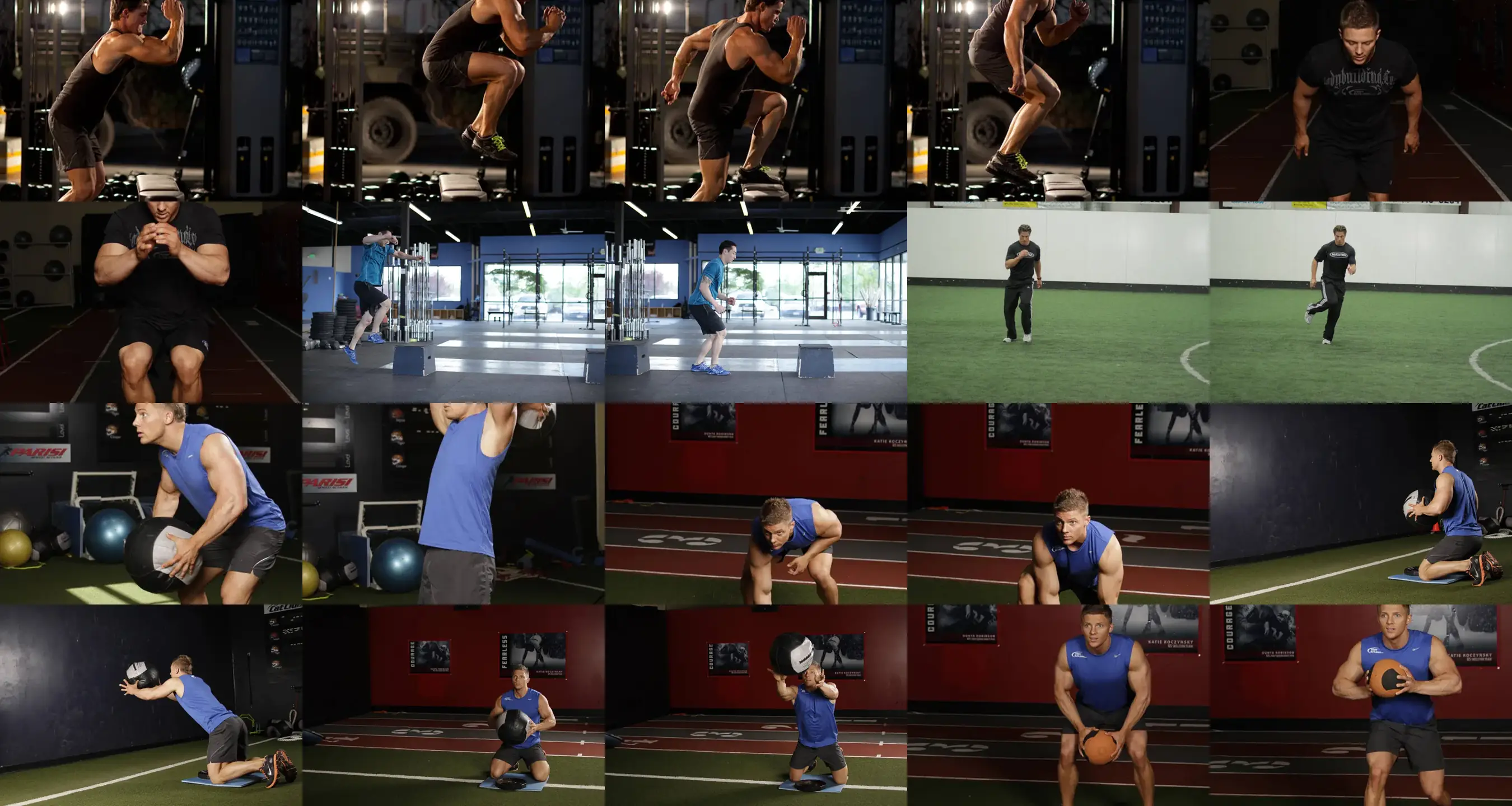
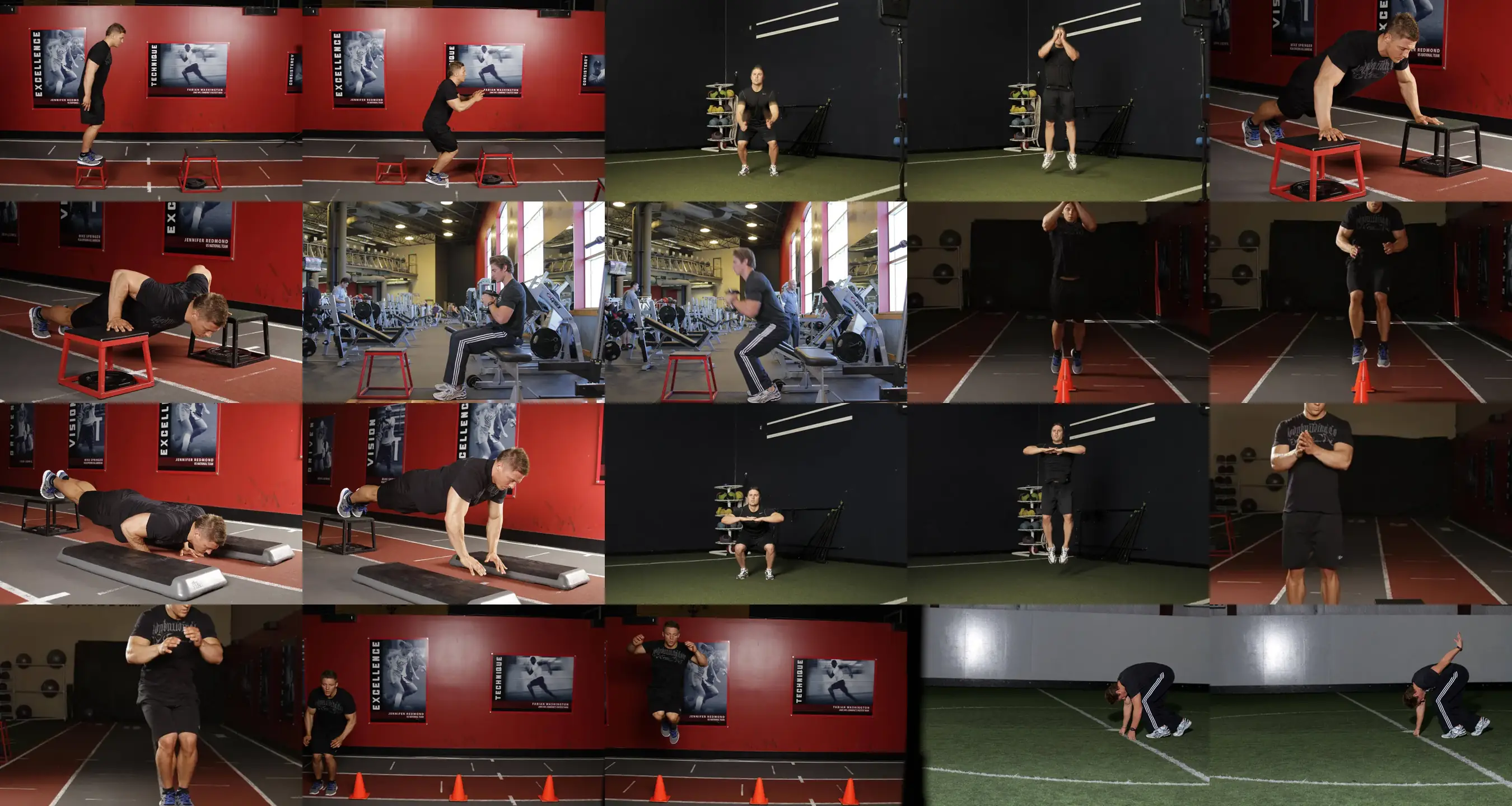
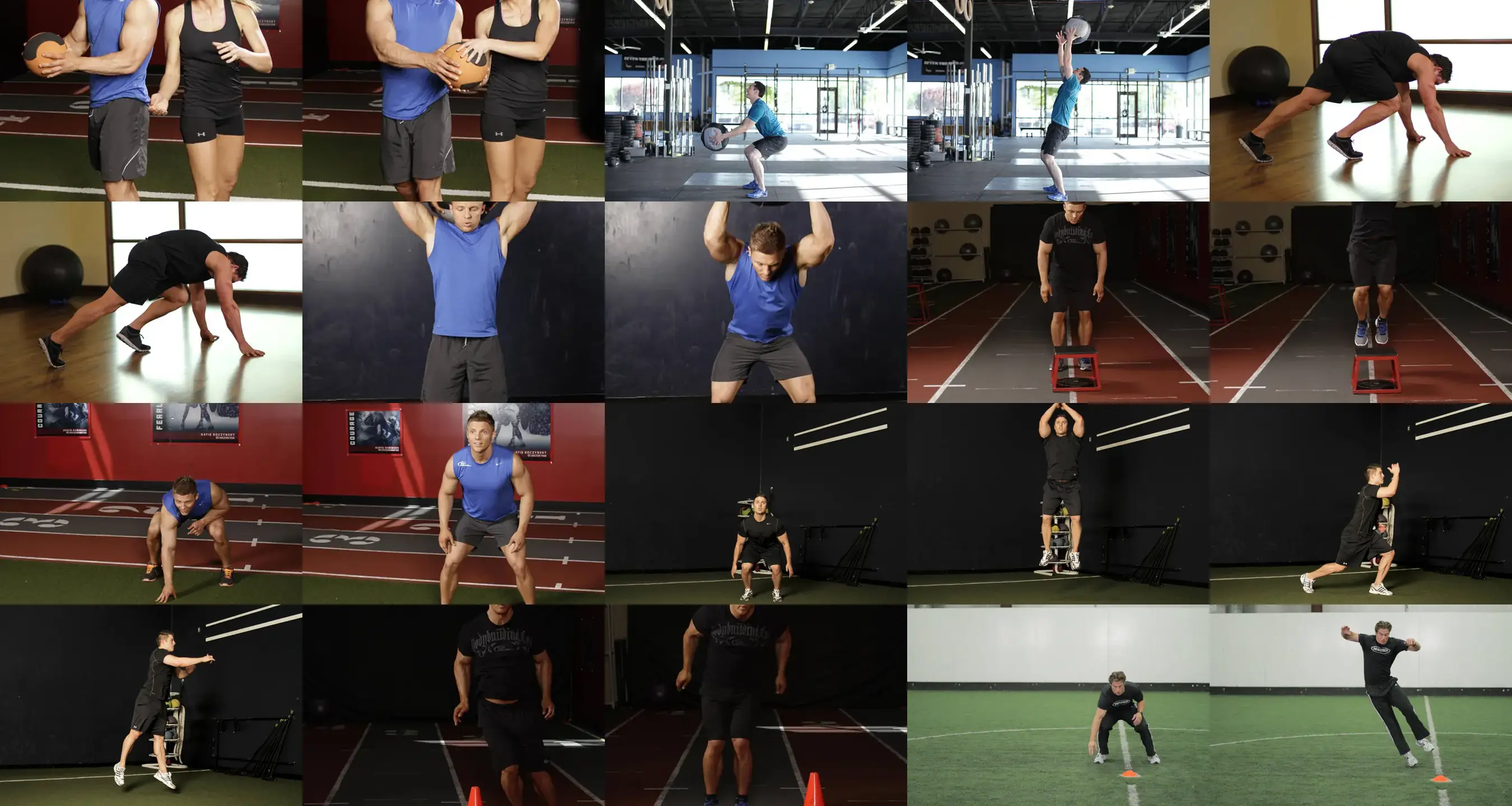
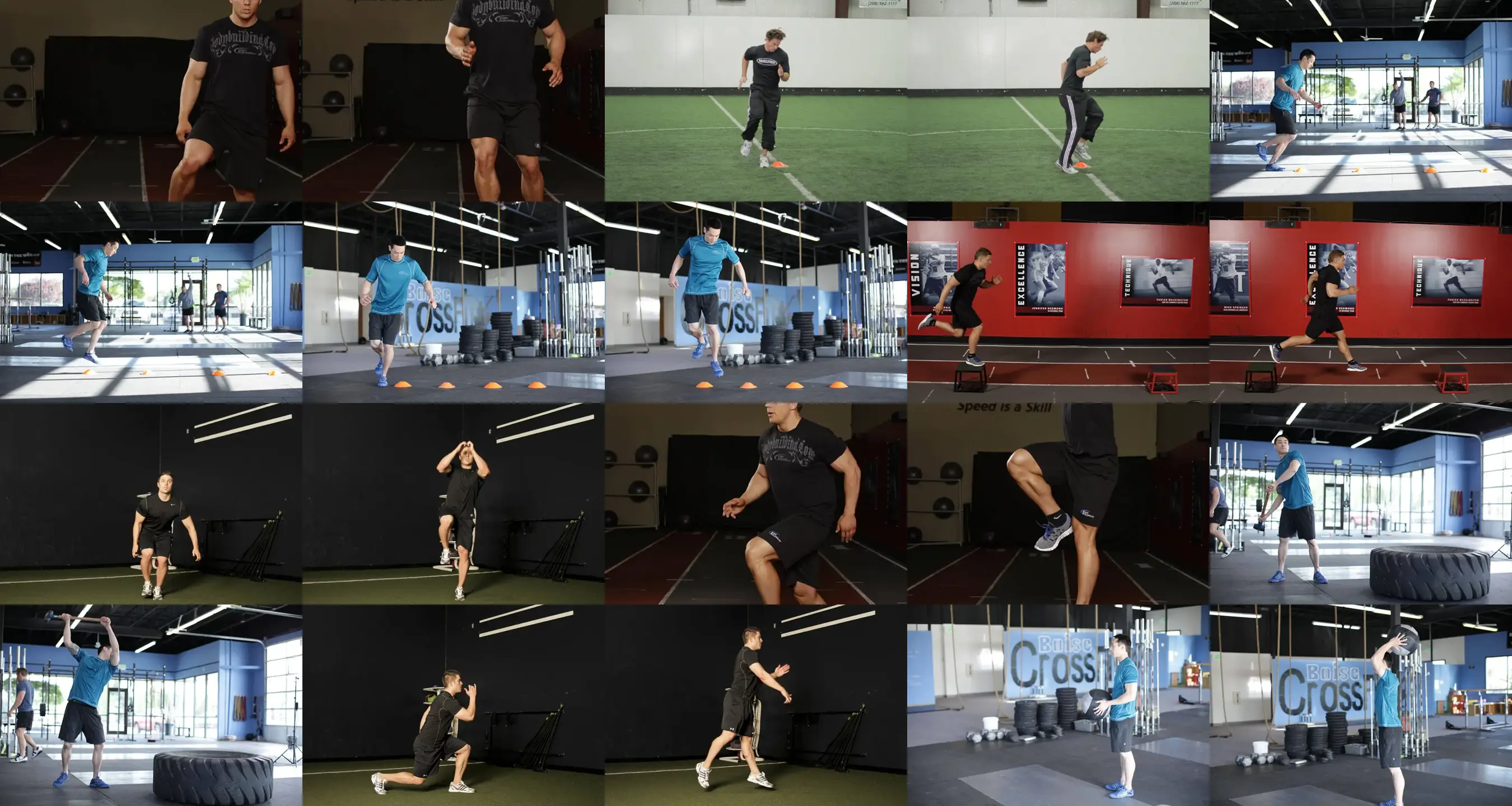
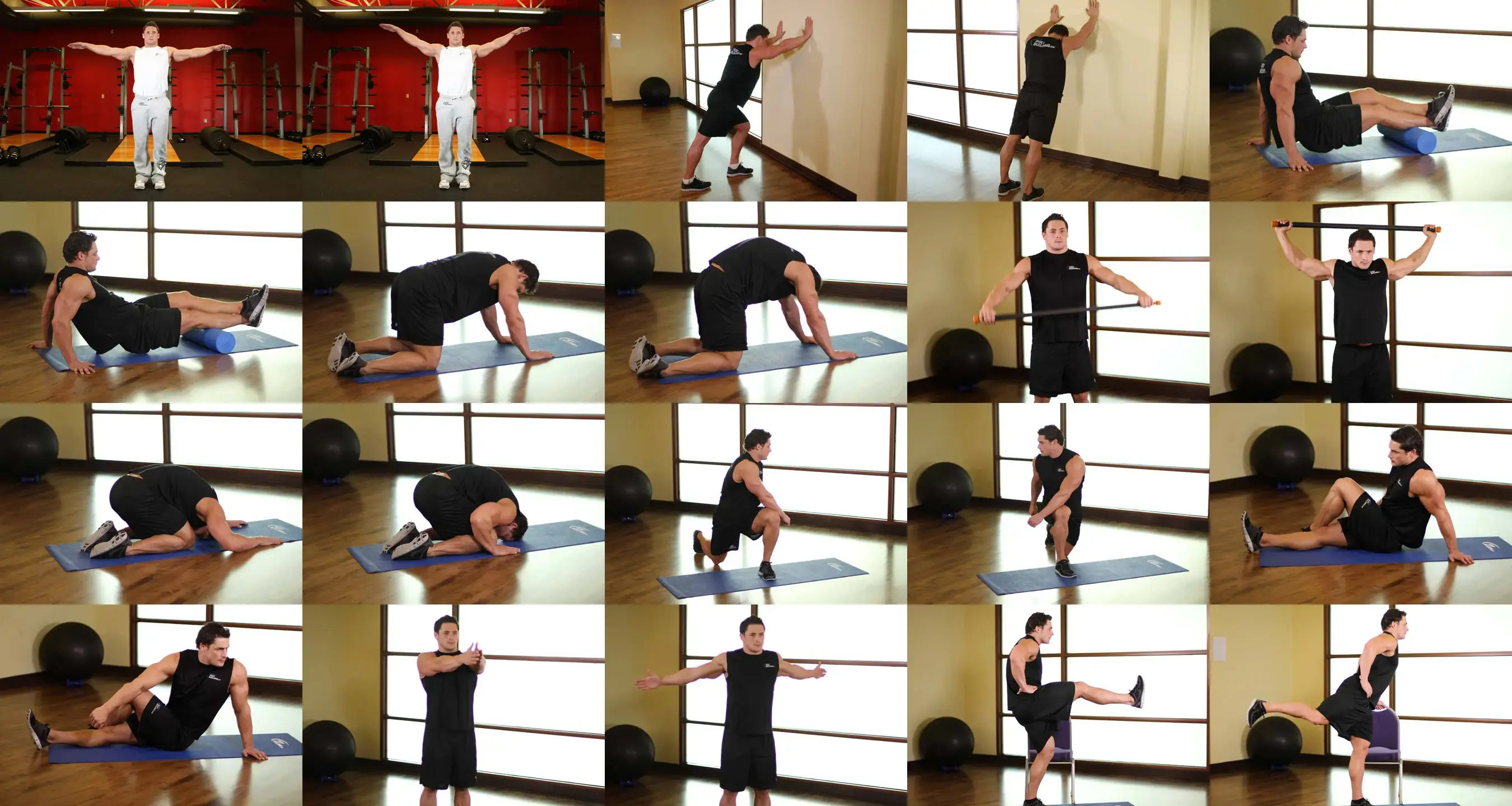
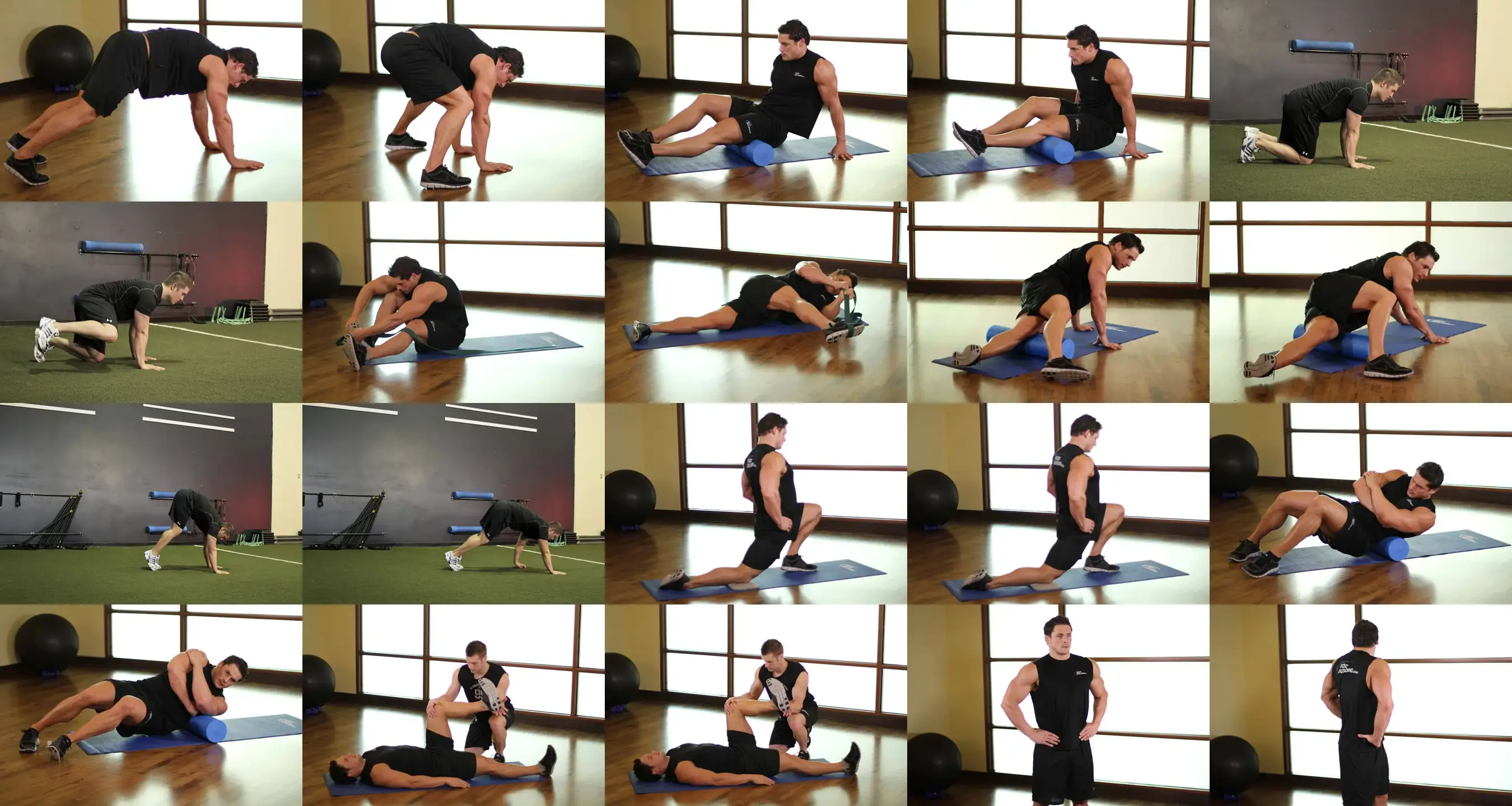
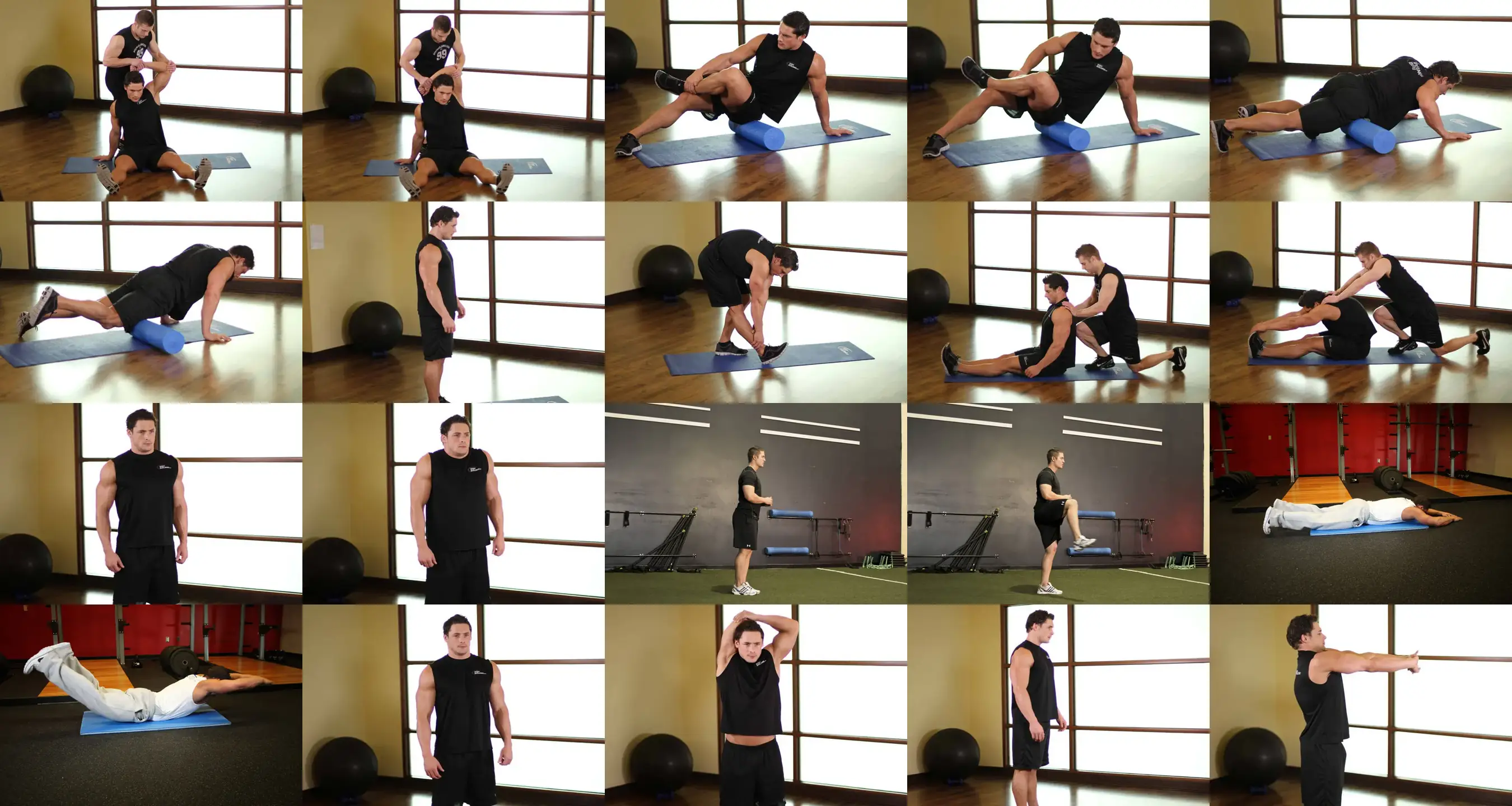
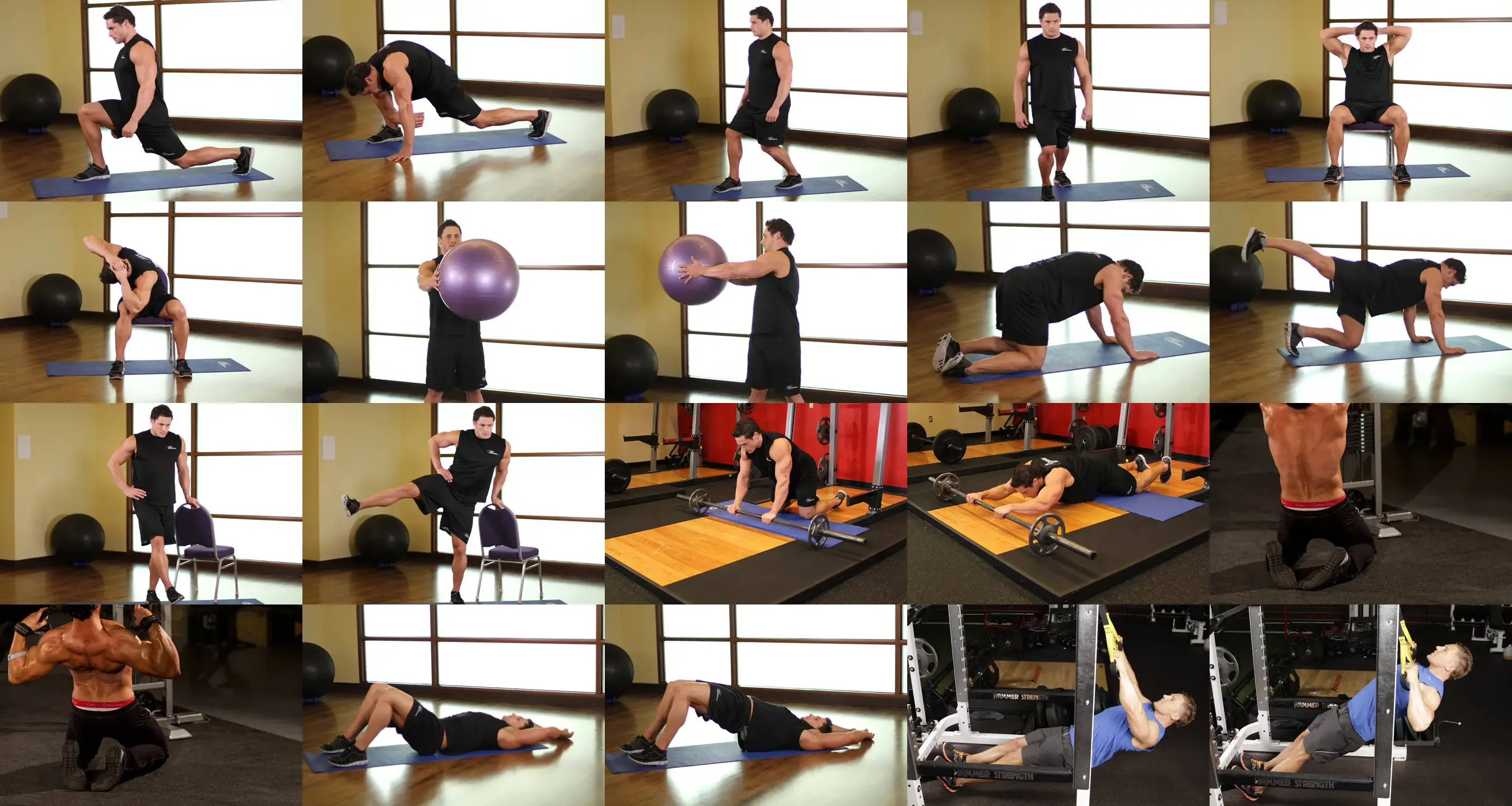
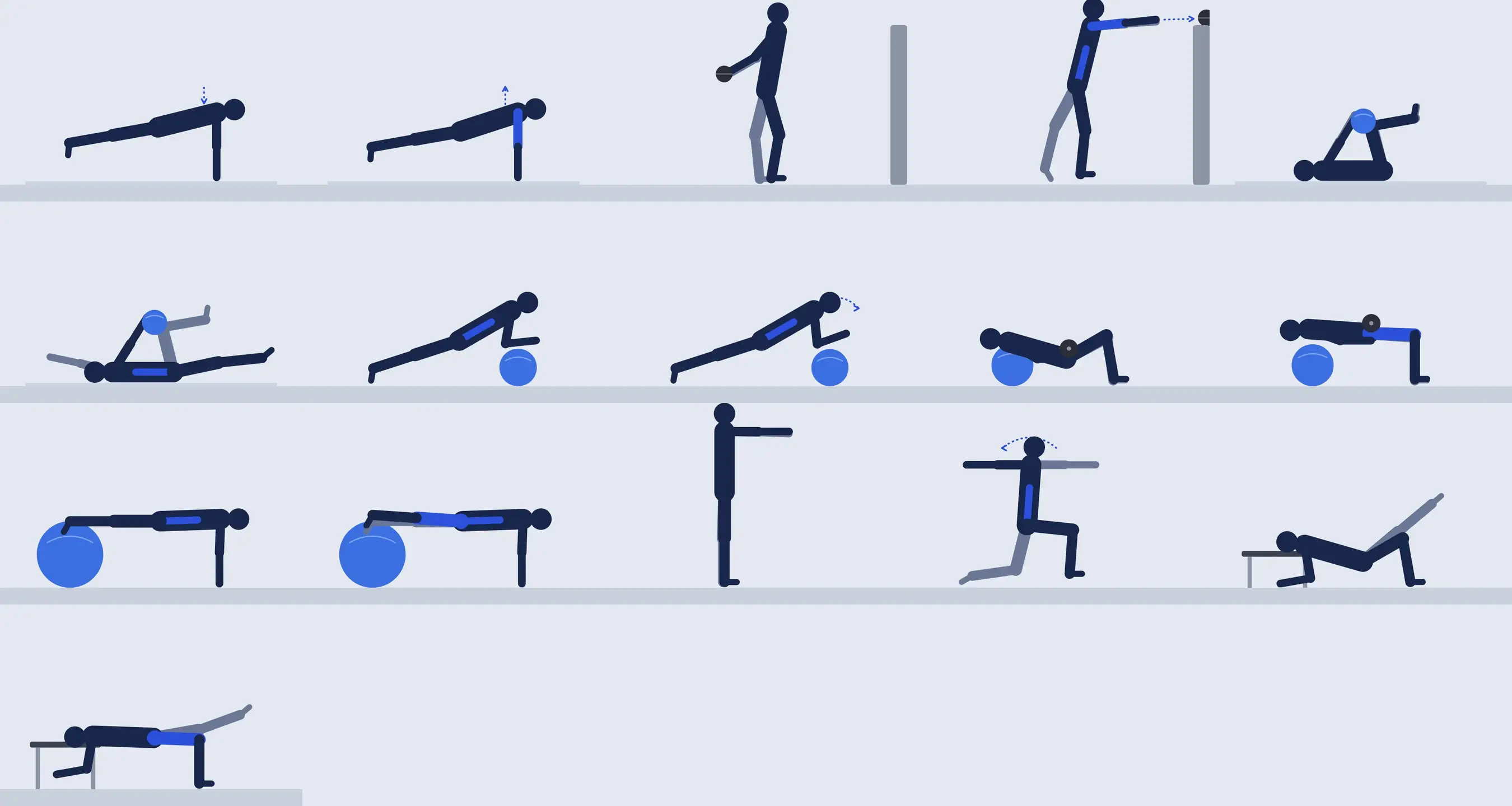
6-8-week plans with sets, reps and progression, built for your sport. Includes a downloadable PDF.
A higher vertical, a quicker first step and knees and ankles that handle stops and landings all season.
Build muscle with 3 full-body sessions, progressive loading and just enough volume to recover.
Raise your squat, bench press and deadlift numbers with linear progression and a test at the end.