Setup and loading
Use a stable bench or box at knee height or slightly lower, with a dumbbell hanging at each side. Choose a weight that allows 8 to 12 reps per leg without pushing off your bottom foot; increase the load before you increase the box height.
How to do the dumbbell step-up step by step
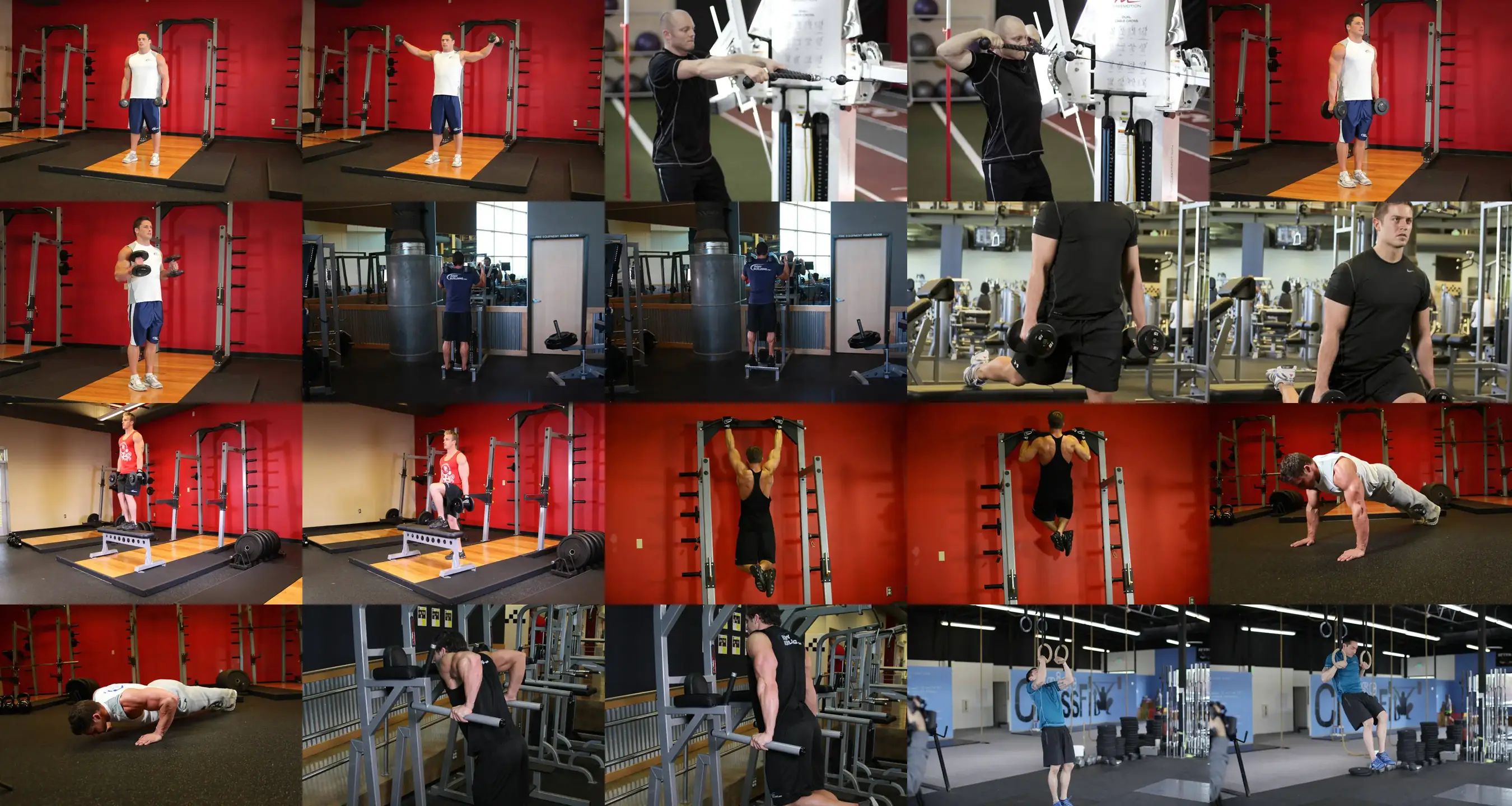
- Stand facing the bench with a dumbbell in each hand and your arms relaxed at your sides.
- Place your whole right foot on the bench, knee lined up over your foot and heel firmly down.
- Lean your torso slightly forward, take a breath and brace your abs.
- Step up by driving only through the foot on the bench, without bouncing off the bottom foot, and breathe out as you rise.
- Finish standing tall on the bench with your hip extended, bringing your left foot beside your right or keeping it in the air.
- Lower slowly with your left leg, controlling it with your right for two or three seconds, and repeat on the same side.
Form cues
- Whole foot on the bench
- Drive through your top heel
- Stable knee, not caving in
- Lower slowly, controlled by the top leg
Common mistakes
- Bench too high: your hips compensate and your back rounds; use knee height or lower.
- Bouncing off the bottom foot: it steals work from the active leg; keep almost no weight on it.
- Knee caving in as you rise: it stresses the joint; push it out in line with your foot.
- Dropping down: you skip the eccentric phase; control the descent for two or three seconds.
How to make it easier or harder
To make it easier, go without weights or use a lower step, holding a wall if needed. To progress, use heavier dumbbells, hold a barbell on your back, try lateral step-ups, or do crossover step-ups for more glute medius work.
Sets and reps for your goal
Max Strength
3 x 6-8 per leg3-6 sets of 1-6 reps at 80-90% of your max (1RM). Rest 2 to 5 minutes.
Leave 1-3 reps in reserve. If your technique breaks down, lower the weight: strength is built with good reps.
Endurance
3 x 12-15 per leg2-4 sets of 15-30 reps or 30-60 seconds at 40-60% of your max. Rest 30 to 60 seconds.
Steady pace and clean technique to the end. Circuits help you build volume with little rest.
A guide for healthy adults. Adjust the load to your level and see a professional if you have an injury.
Check your form
Film yourself from the side or ask someone to watch, then tick what you get right.
Frequently asked questions
How high should the box be for step-ups?
Ideally, with your foot on top your knee is at about 90 degrees or slightly less, which is usually around knee height. A taller box increases glute work but also makes it easier to cheat by pushing off the other leg.
Do step-ups work glutes or quads more?
They work both. An upright torso and a lower box emphasize the quads. Leaning your torso slightly forward and using a taller box puts more of the stimulus on the glute of the working leg.
Sports it suits
Gear for this exercise
- Adjustable dumbbellsSave space and replace a whole dumbbell rack at home.
- Plyo boxFoam boxes forgive missed jumps.
As an Amazon Associate, Muscle Atlas earns from qualifying purchases.