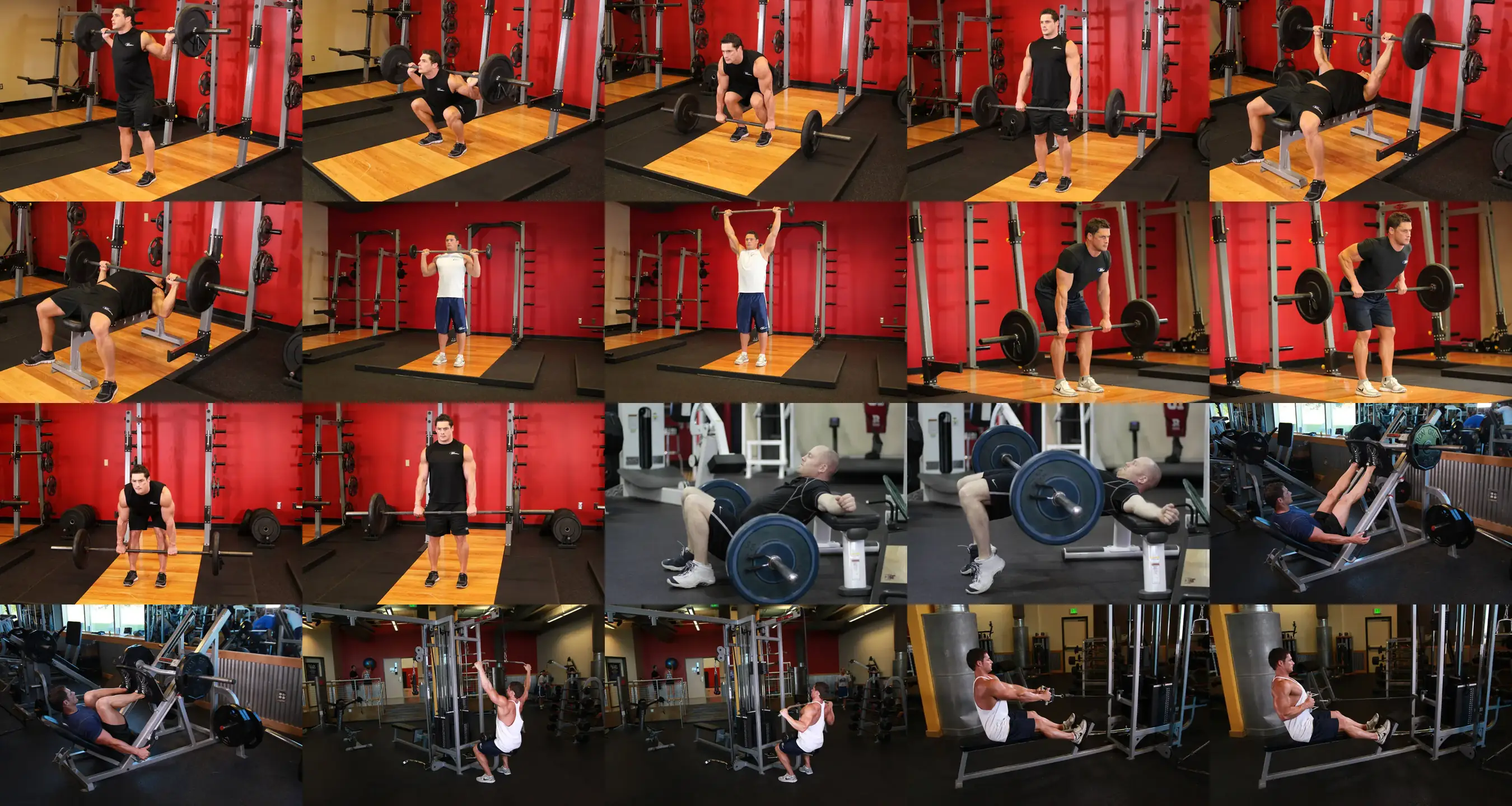
8 weeks · 3 sessions/wk
Powerlifting: your first strength cycle
Raise your squat, bench press and deadlift numbers with linear progression and a test at the end.
€19.99See program
Buy · €19.99Muscle
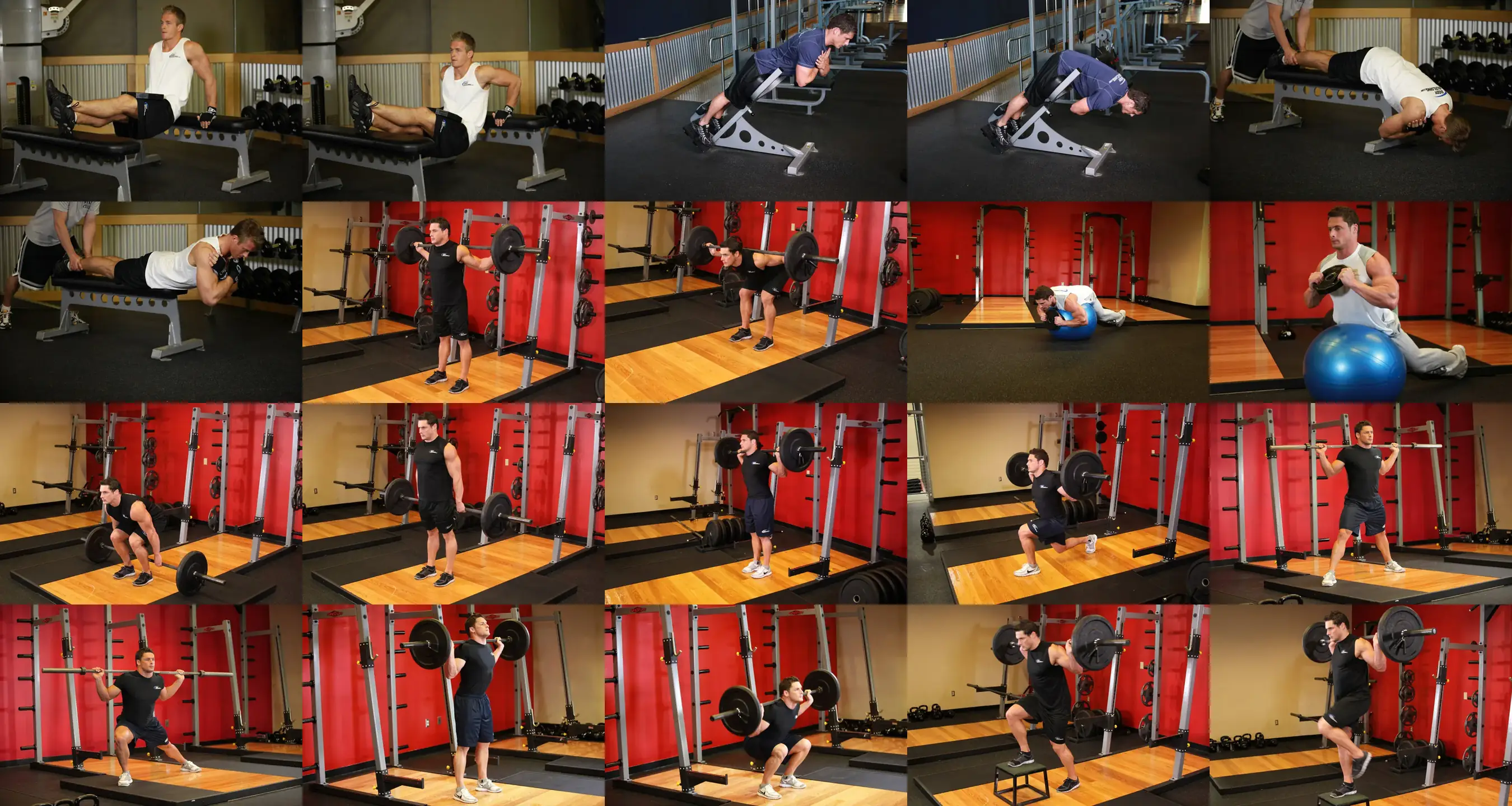
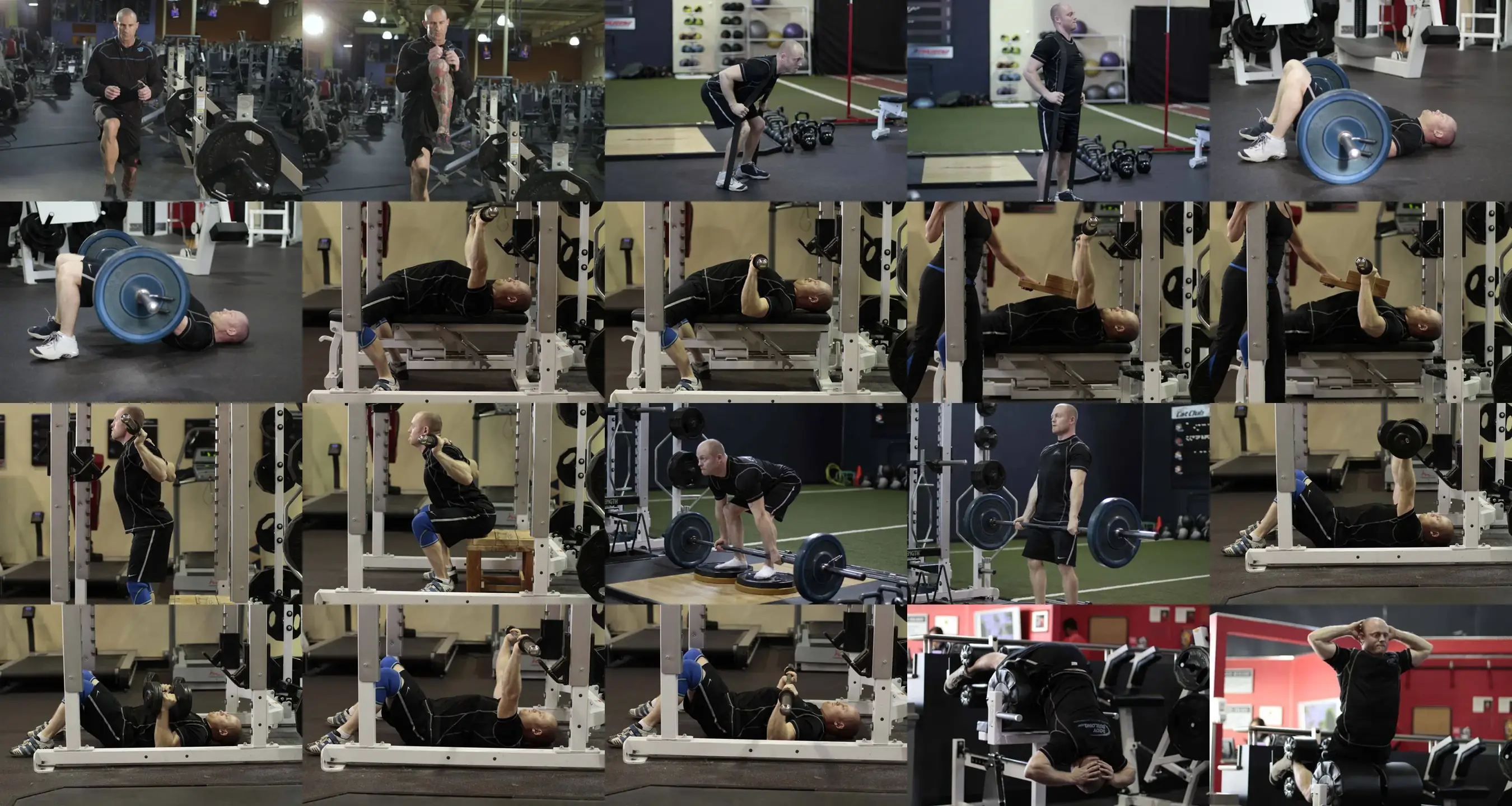
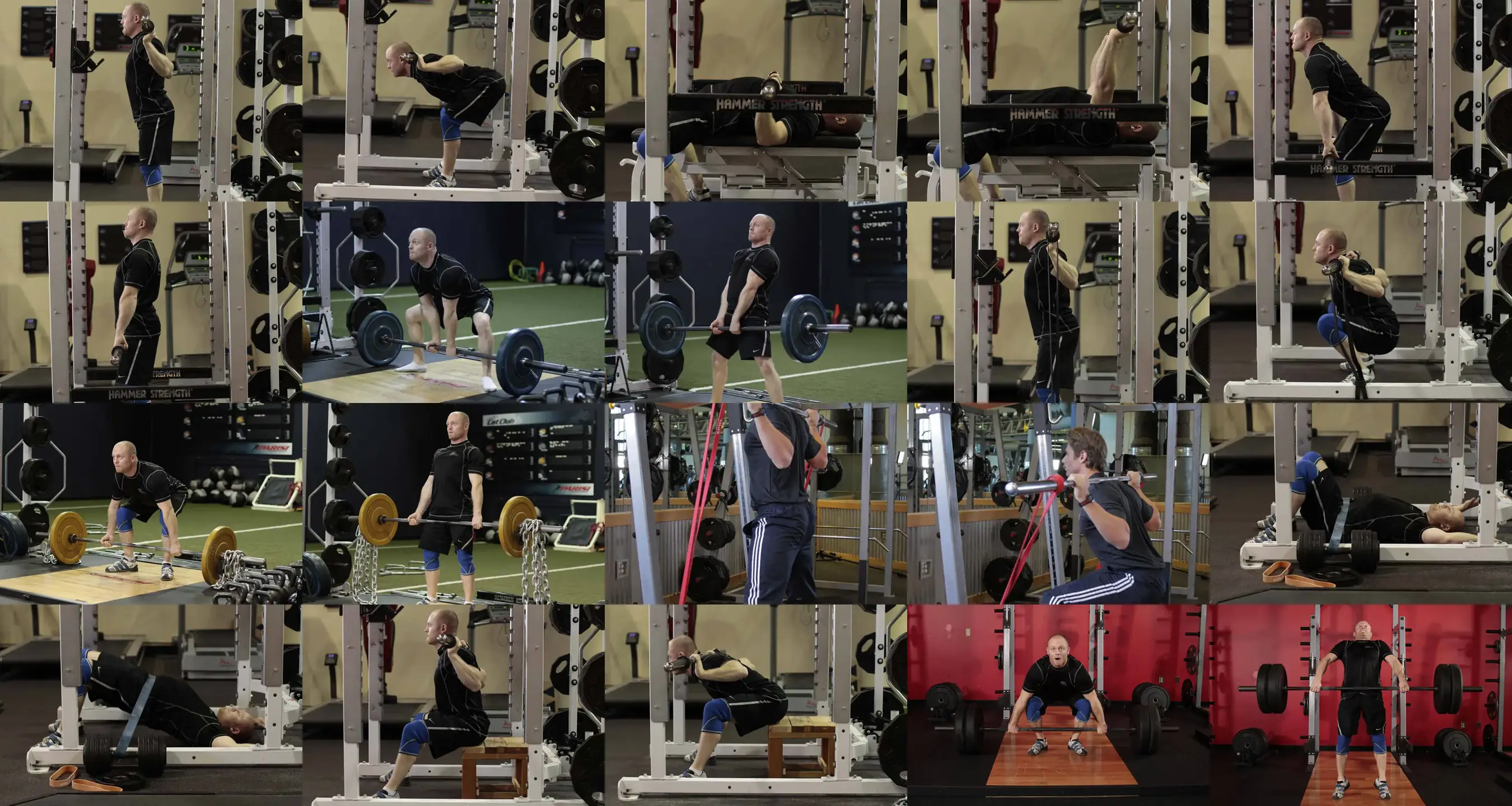
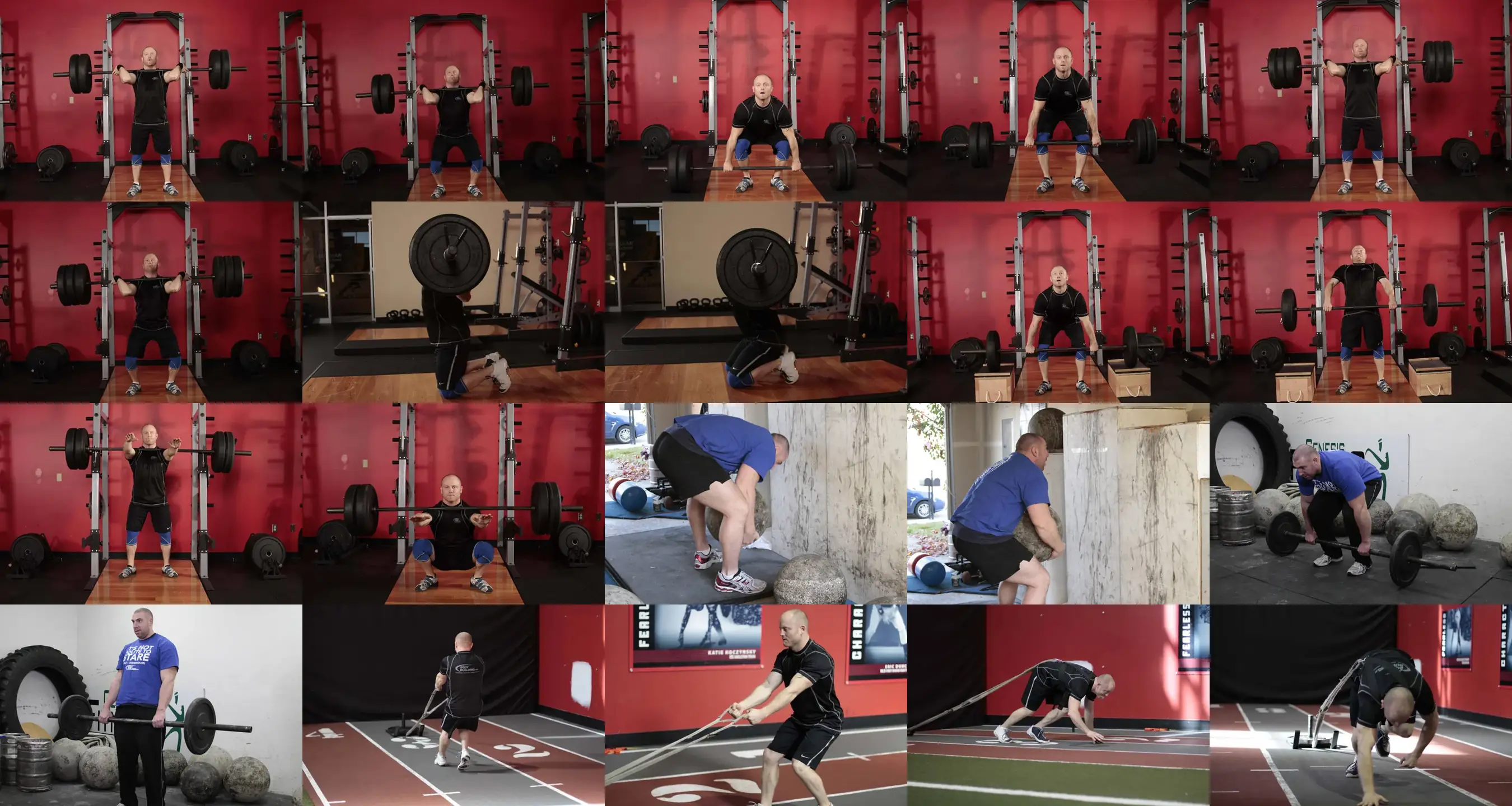
17 exercises that target the lower back as the main muscle and 56 where they help as a secondary muscle. Open any of them to see the form, common mistakes and how many sets to do for your goal.
Your lower back supports your spine through every lift, every jump, and every hour you spend on your feet. Strengthening it intelligently is one of the best tools you have to perform in the gym and handle the demands of everyday life with more resilience.
The spinal erectors run along both sides of the spine, and down low they are joined by the multifidus, a deep muscle that stabilizes each vertebra, and the quadratus lumborum on the sides. Their main job is holding the spine upright and resisting rounding under load. You use them lifting a box, carrying a child, or standing for long periods. In powerlifting, weightlifting, rowing, and rugby they hold the torso steady against huge forces.
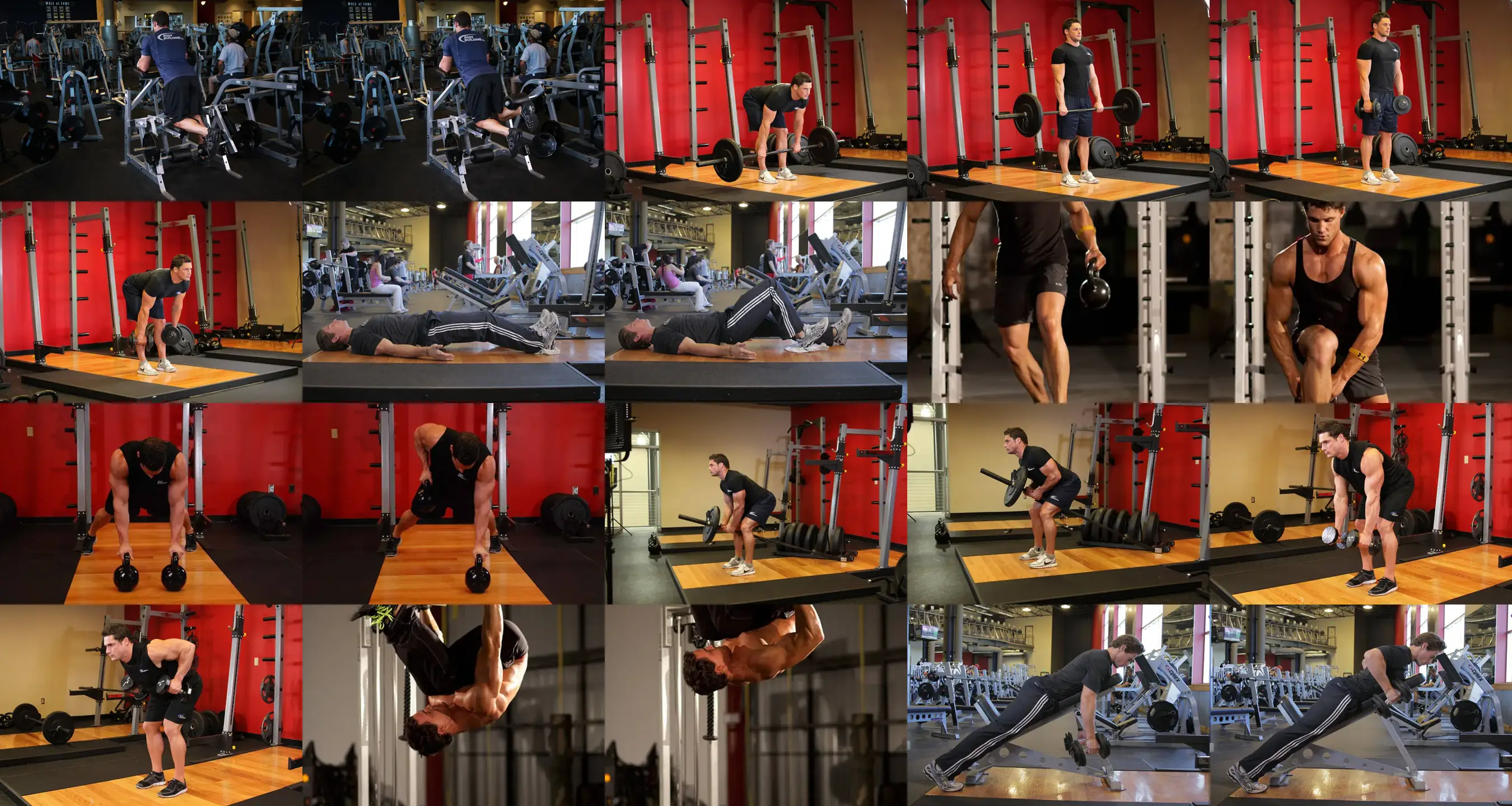
Deadlifts, squats, and bent over rows already work it isometrically. Add 3 to 8 direct sets a week across one or two days. Good options are 45 degree back extensions for 10 to 15 reps, good mornings with moderate weight, and bird dogs for control. Endurance work, like holding the top of a back extension for 20 to 40 seconds, is especially useful because the lower back usually gives out from fatigue rather than lack of max strength.
Hyperextending at the top of a back extension, arching past neutral, adds no benefit. Rise until your body is in line and stop. Another mistake is avoiding all loading out of fear, since your back adapts and gets stronger with gradual stress. Learn to brace by taking a breath and tightening your midsection before heavy lifts. If pain travels down your leg or comes with tingling or weakness, see a doctor.
A little rounding is normal and your back tolerates it. Problems tend to show up with very heavy loads, excessive rounding, and poor preparation. Aim for a neutral spine on heavy lifts, but there is no need to fear every small curve.
Forty five degree back extensions, Romanian deadlifts, light good mornings, bird dogs, and planks. The key is progressing gradually and combining strength with muscular endurance, rather than only stretching.
Complete rest rarely helps with common back pain. It is usually better to reduce load and keep doing movements you tolerate. If the pain is severe, travels down your leg, or comes with numbness, see a professional.
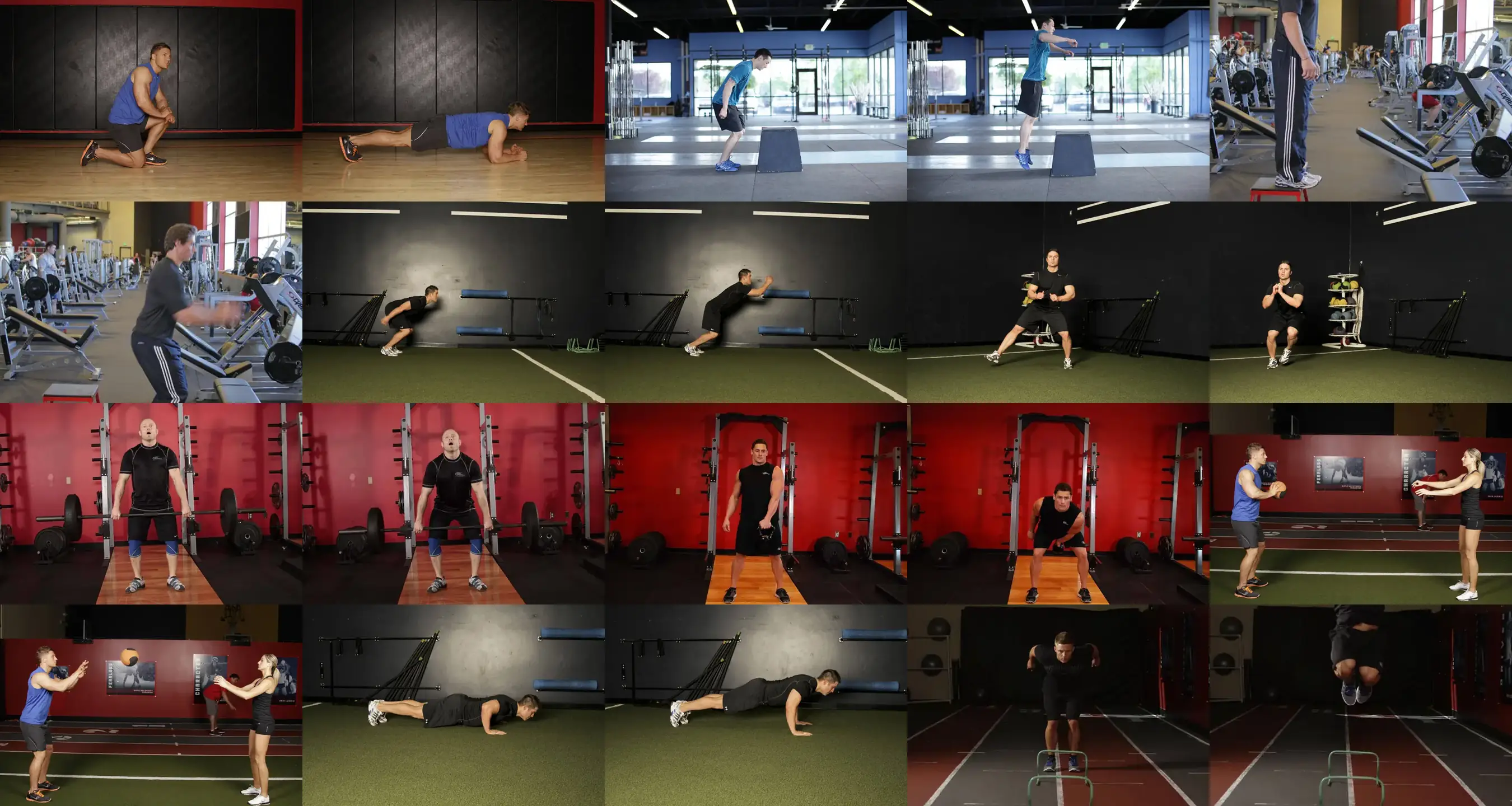
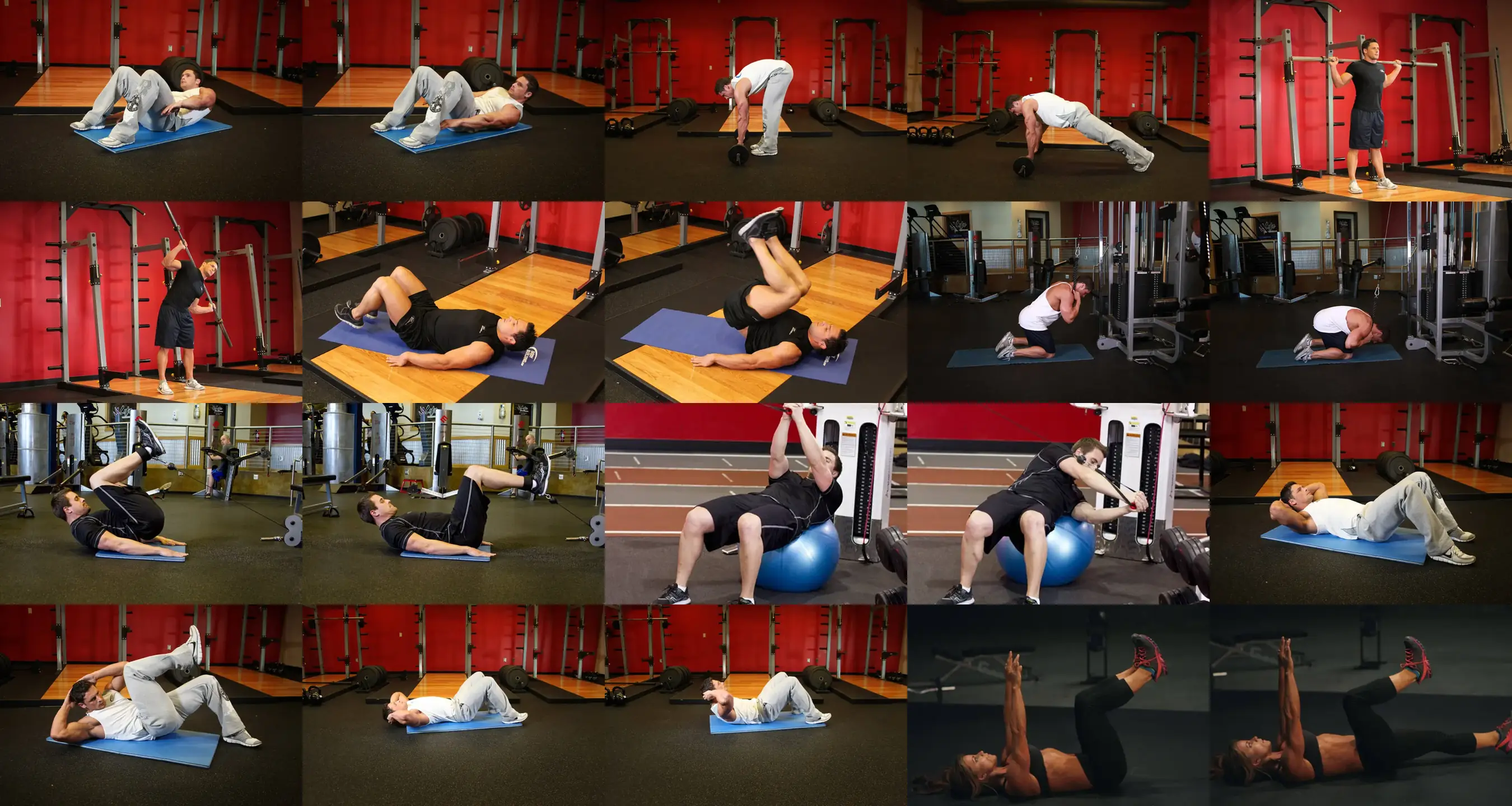
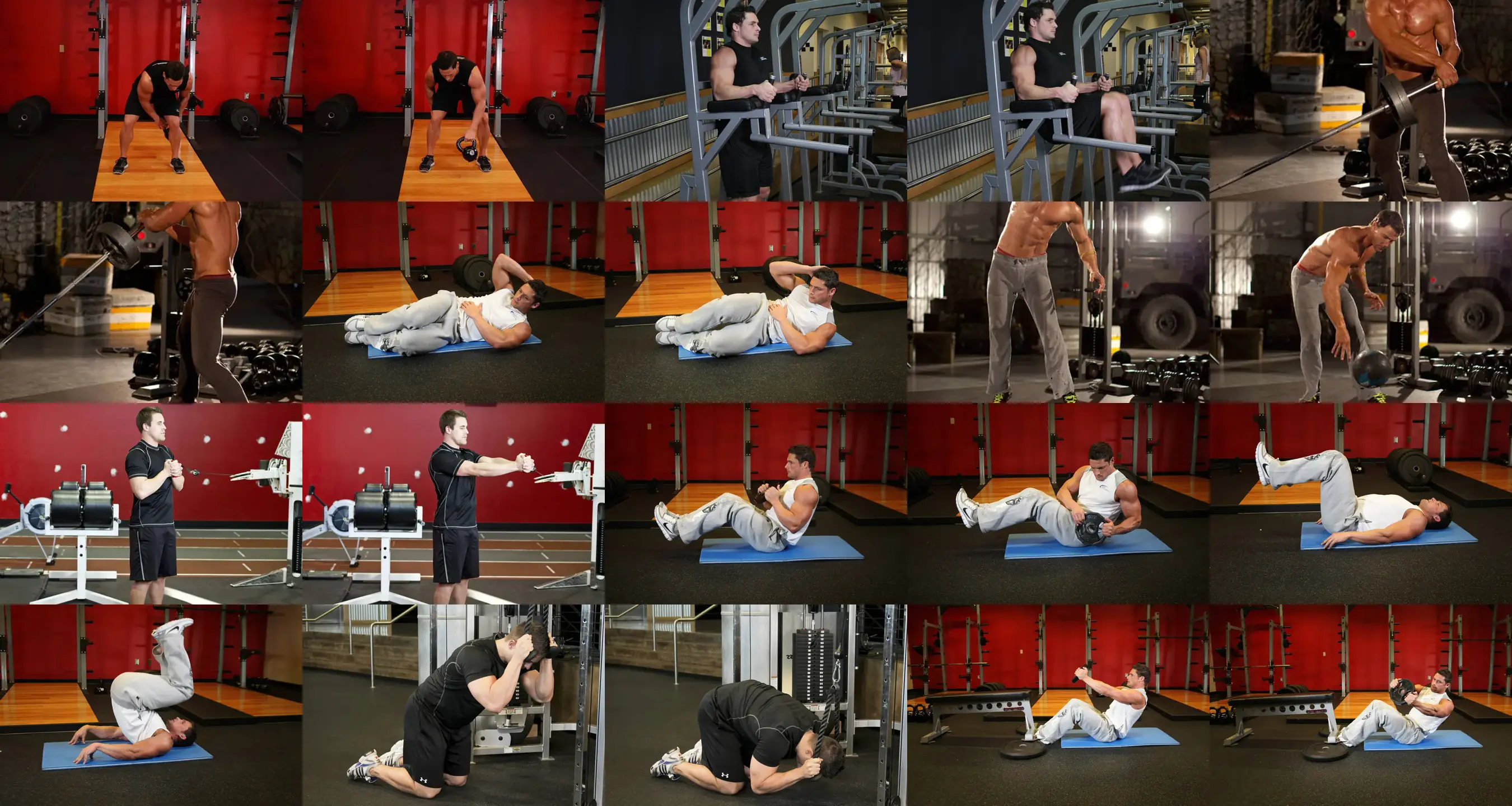
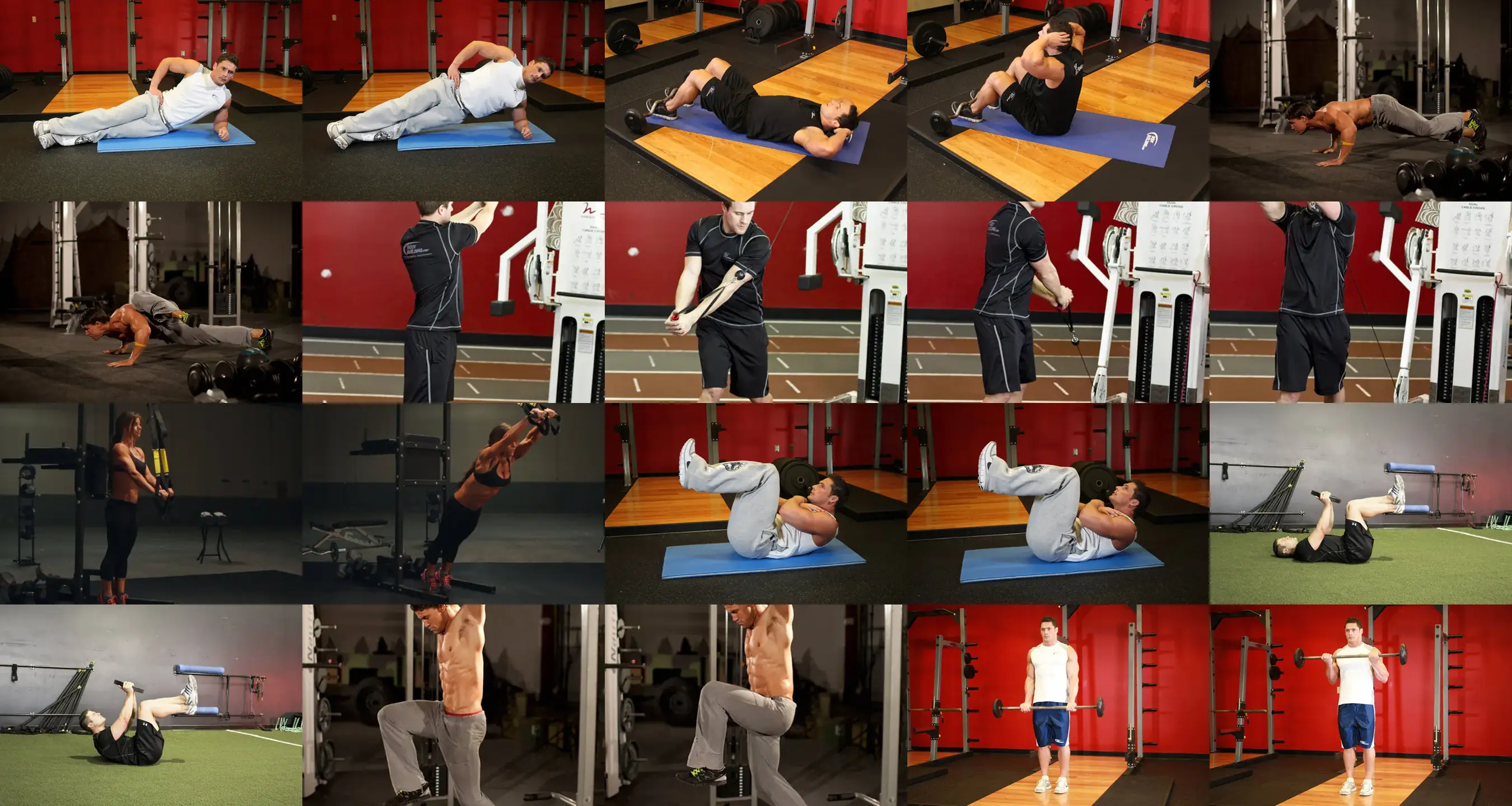
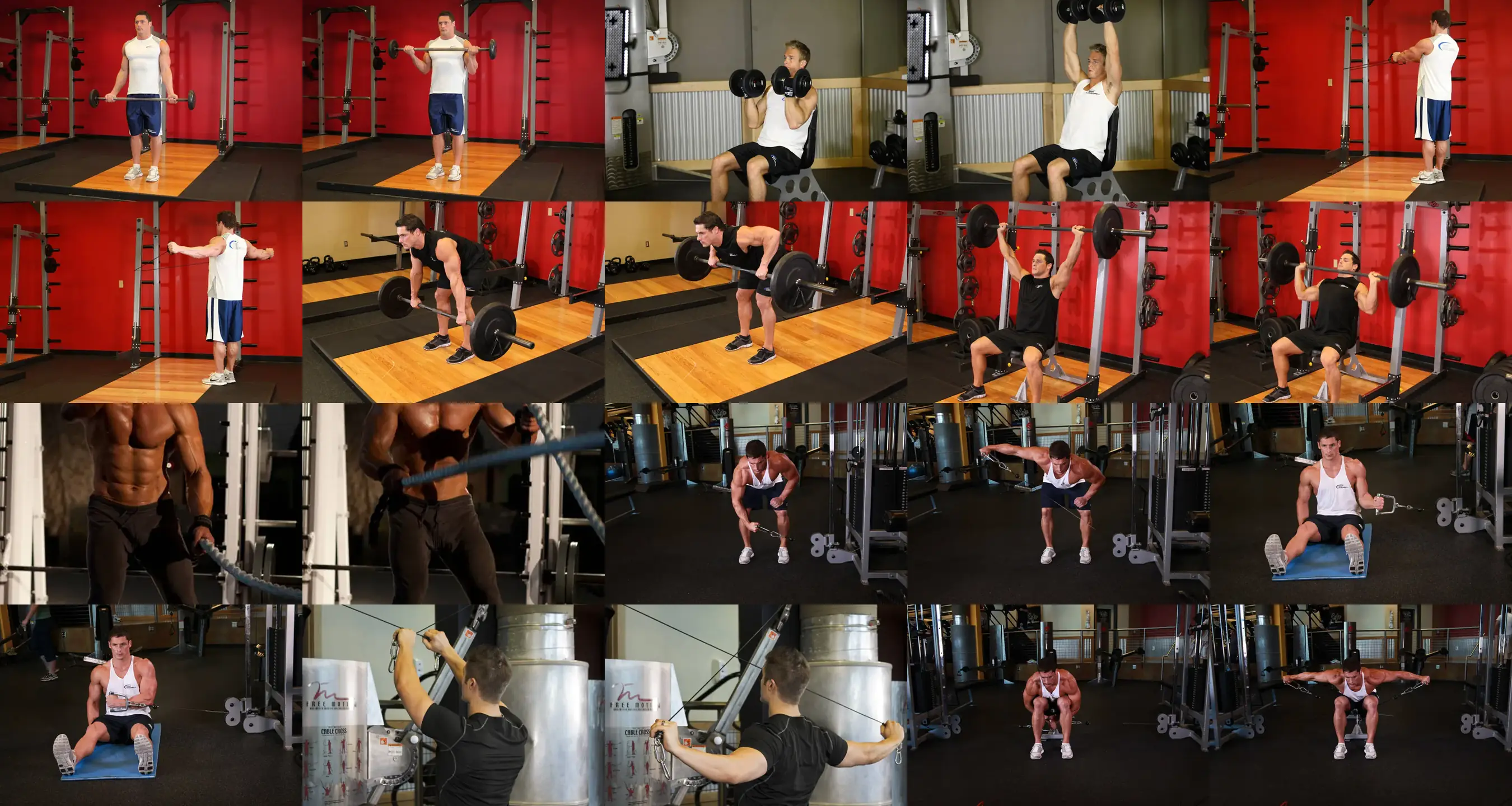
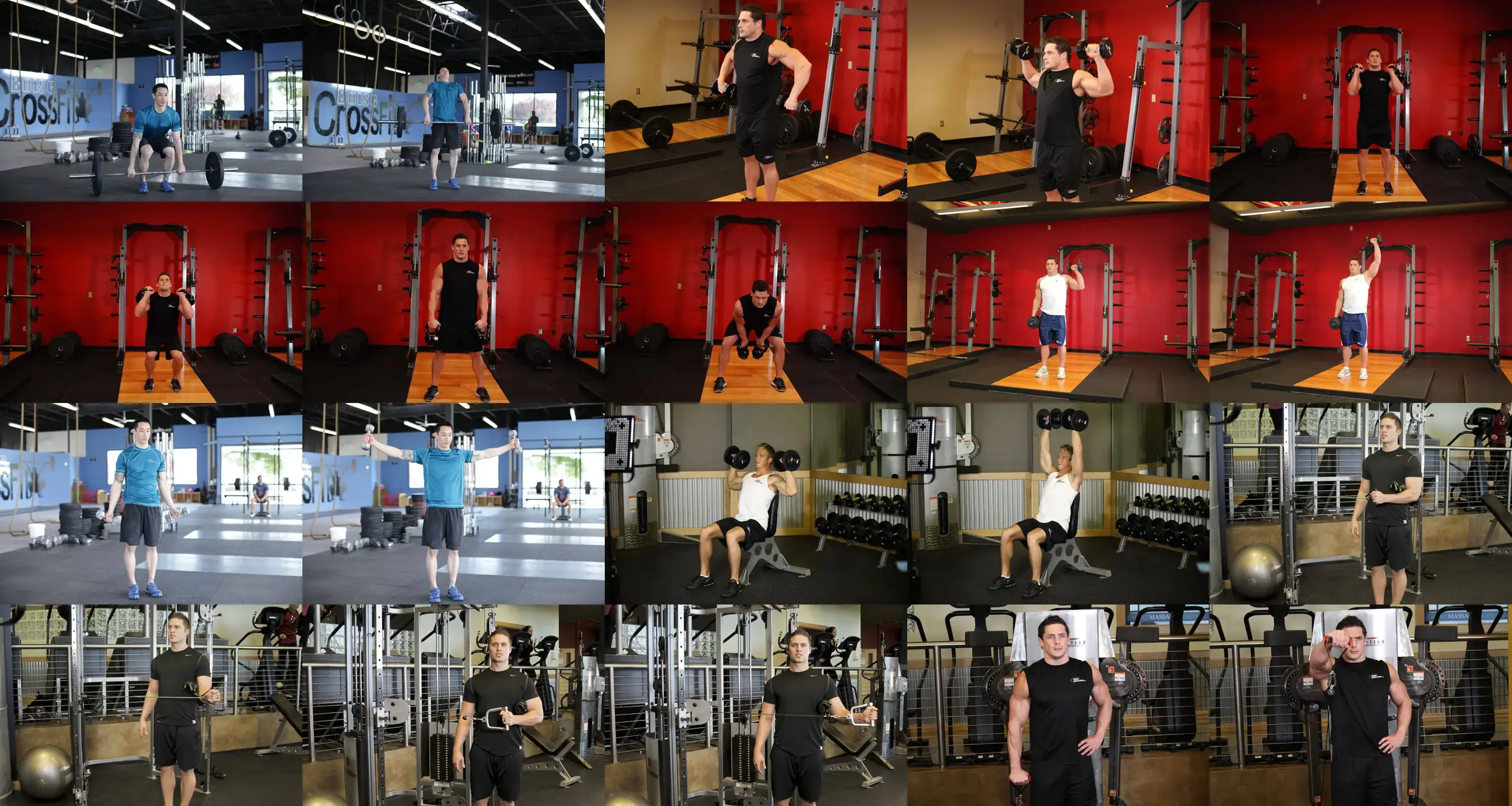
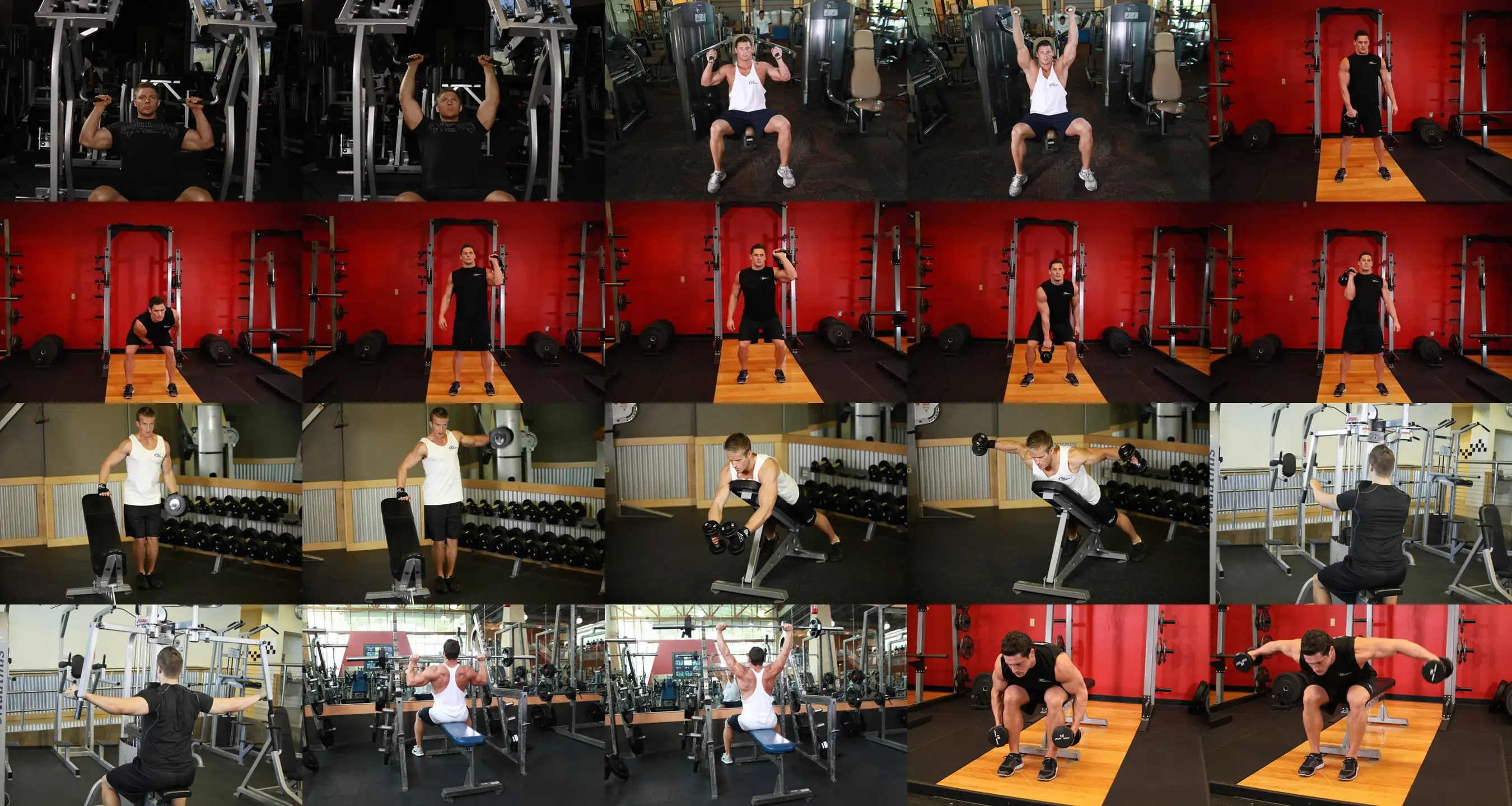
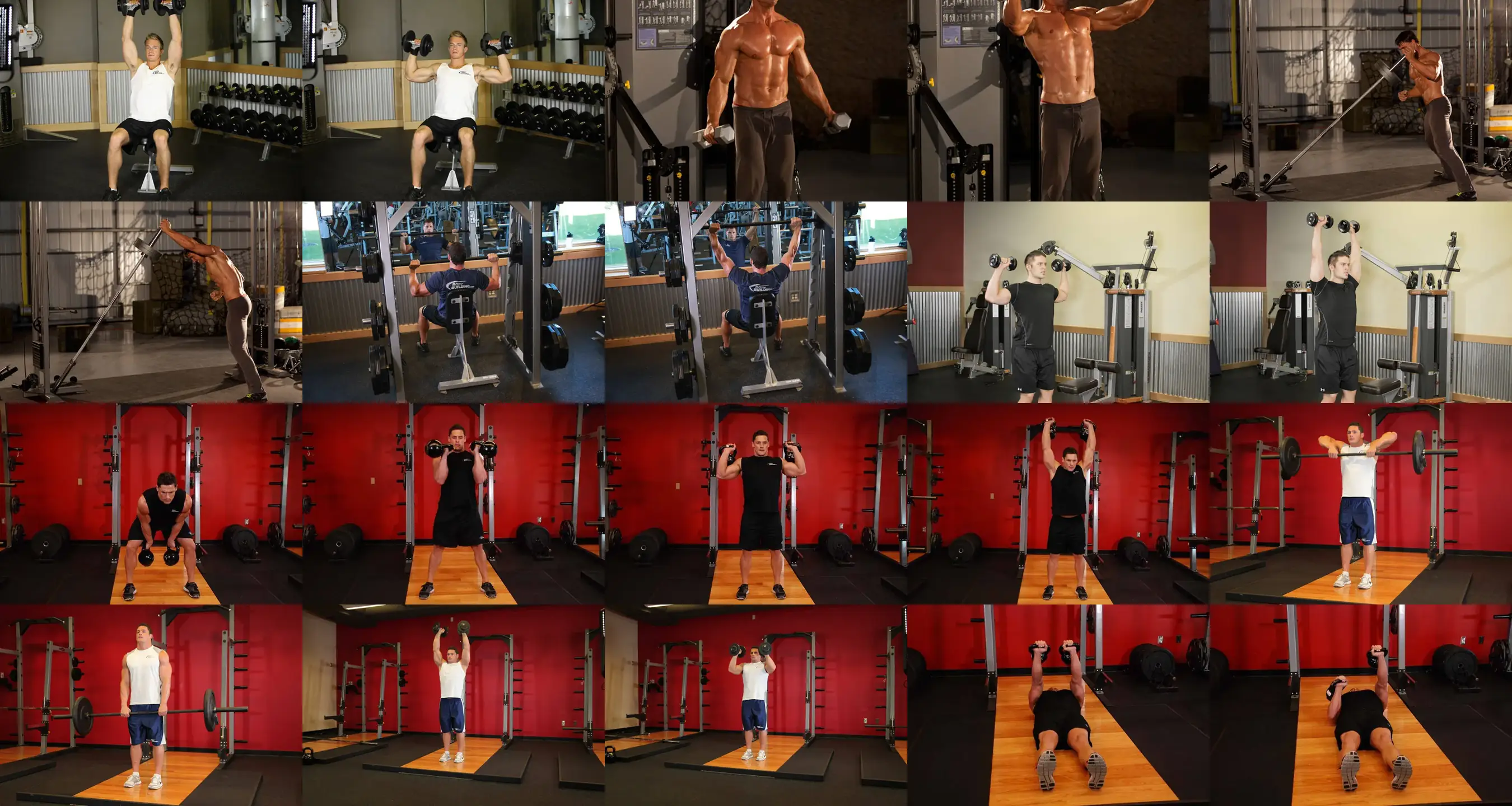
6-8-week plans with sets, reps and progression, built for your sport. Includes a downloadable PDF.
Raise your squat, bench press and deadlift numbers with linear progression and a test at the end.
More acceleration, faster changes of direction and injury-proof legs, compatible with 2-3 team practices.
A more powerful pull, healthy shoulders and a core that transfers leg drive.