Setup and loading
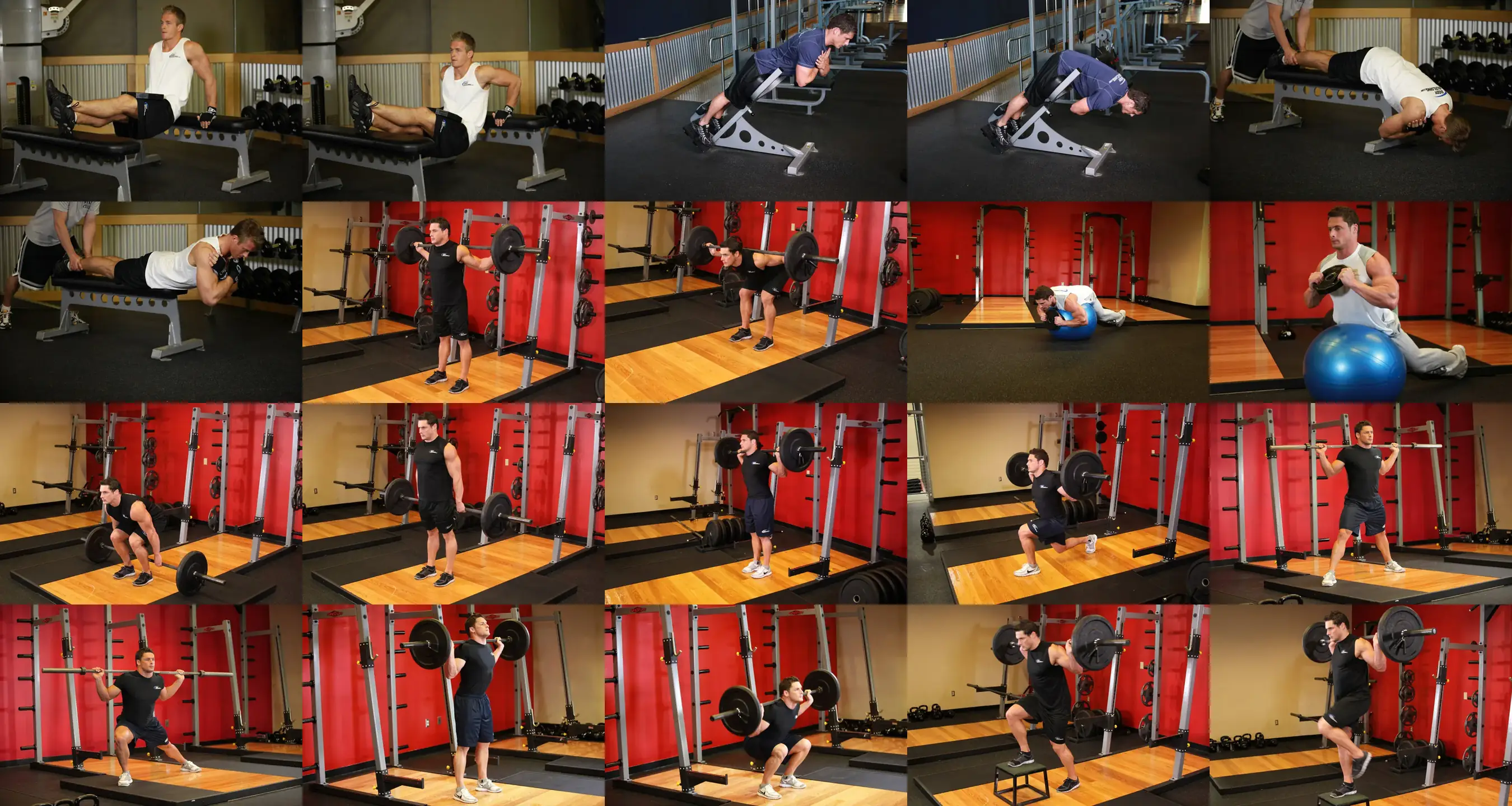
Set the bar across your upper traps like a back squat and spread your feet about twice shoulder width, toes slightly out. Start with an empty bar or bodyweight until depth and balance feel solid, then add weight gradually.
How to do the barbell lateral squat step by step
- Unrack the bar onto your upper back and step your feet out much wider than shoulder width.
- Turn your toes out slightly and take a breath while bracing your abs.
- Push your hips back and to one side, bending that knee while the other leg stays straight.
- Lower until the thigh of your bent leg is close to parallel, heel down and chest up.
- Drive through the whole foot of the bent leg and exhale as you return to center.
- Repeat to the other side, or finish all reps on one side before switching.
Form cues
- Hips back, like sitting into a side chair
- Bent knee tracks over your foot
- Straight leg foot stays flat
- Chest up and spine neutral on the way down
Common mistakes
- Heel lifting on the working leg: you lose stability; go less deep and work on ankle mobility.
- Rounding your back at the bottom: it loads your lower back; keep your chest up and reduce weight.
- Knee caving in: it stresses the joint; push it out in the direction of your toes.
- Stance too narrow: there's no lateral range; widen your base until the other leg can straighten.
How to make it easier or harder
For an easier version, do it with bodyweight while holding a support or with a kettlebell in goblet position. To progress, add load, include a pause at the bottom, or try the Cossack squat, which demands more hip and ankle mobility.
Sets and reps for your goal
Hypertrophy
3-4 x 8-12 · rest 60-90 s3-4 sets of 6-12 reps (up to 15-20 on isolation exercises) at 65-80% of your max. Rest 1 to 2 minutes.
Get close to failure (0-3 reps in reserve) and control the lowering for 2-3 seconds. Accumulate 10-20 sets per muscle per week.
Max Strength
4-5 x 3-6 · rest 2-3 min3-6 sets of 1-6 reps at 80-90% of your max (1RM). Rest 2 to 5 minutes.
Leave 1-3 reps in reserve. If your technique breaks down, lower the weight: strength is built with good reps.
A guide for healthy adults. Adjust the load to your level and see a professional if you have an injury.
Check your form
Film yourself from the side or ask someone to watch, then tick what you get right.
Frequently asked questions
What's the difference between a lateral squat and a Cossack squat?
In a lateral squat you lower until your thigh is near parallel and keep the straight leg's foot flat. In a Cossack squat you sink much deeper and the toes of the straight leg point up, which requires more mobility.
Are lateral squats good for the adductors?
Yes. The straight leg trains your adductors as they lengthen under load, which few exercises do. That makes it useful for athletes who change direction often and for anyone looking for more balanced legs.
Sports it suits
Gear for this exercise
- Olympic barbell and platesTo keep progressing on the big lifts with heavy loads.
As an Amazon Associate, Muscle Atlas earns from qualifying purchases.