8 weeks · 3 sessions/wk
Powerlifting: your first strength cycle
Raise your squat, bench press and deadlift numbers with linear progression and a test at the end.
€19.99See program
Buy · €19.99Sport
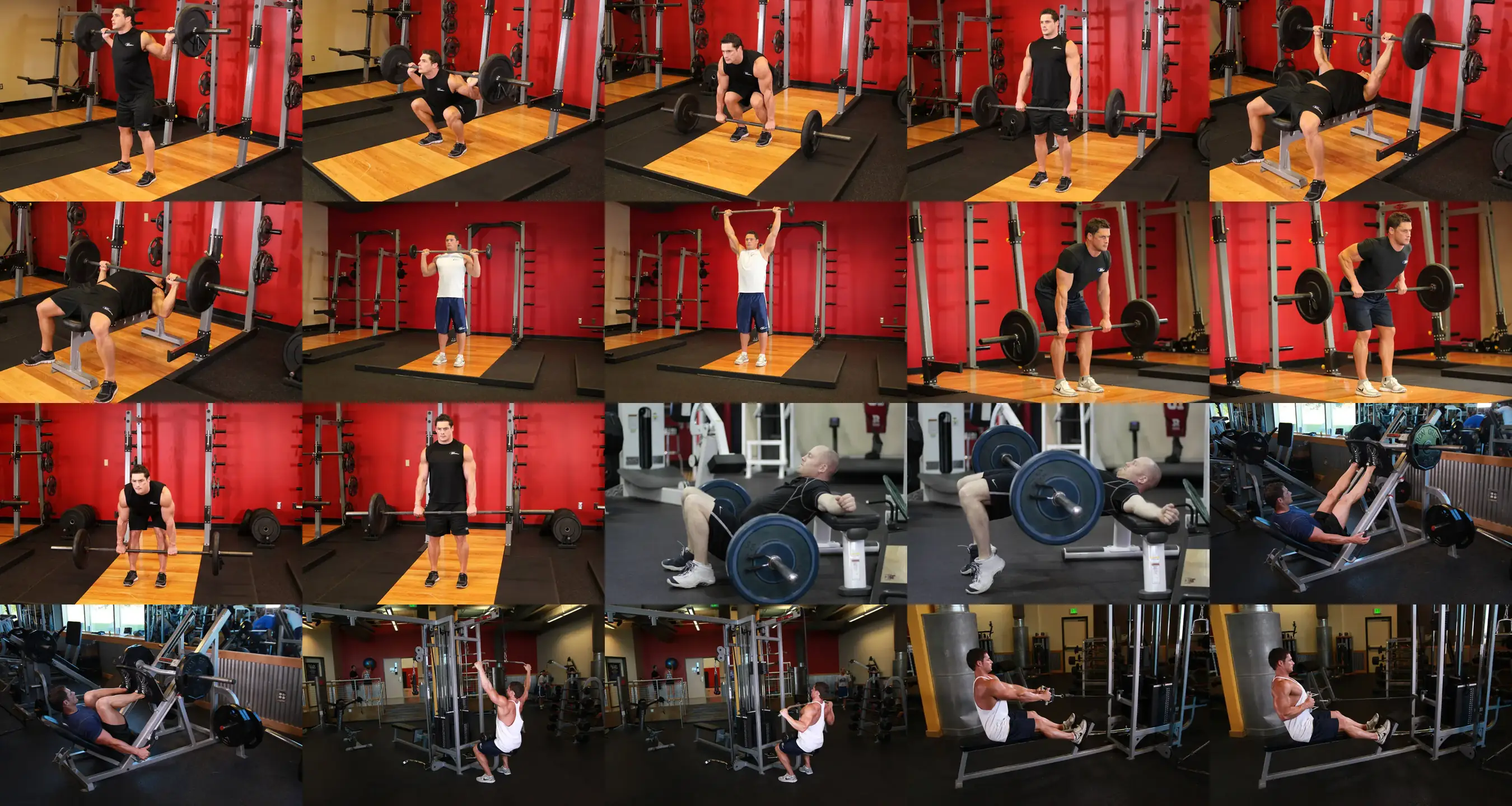
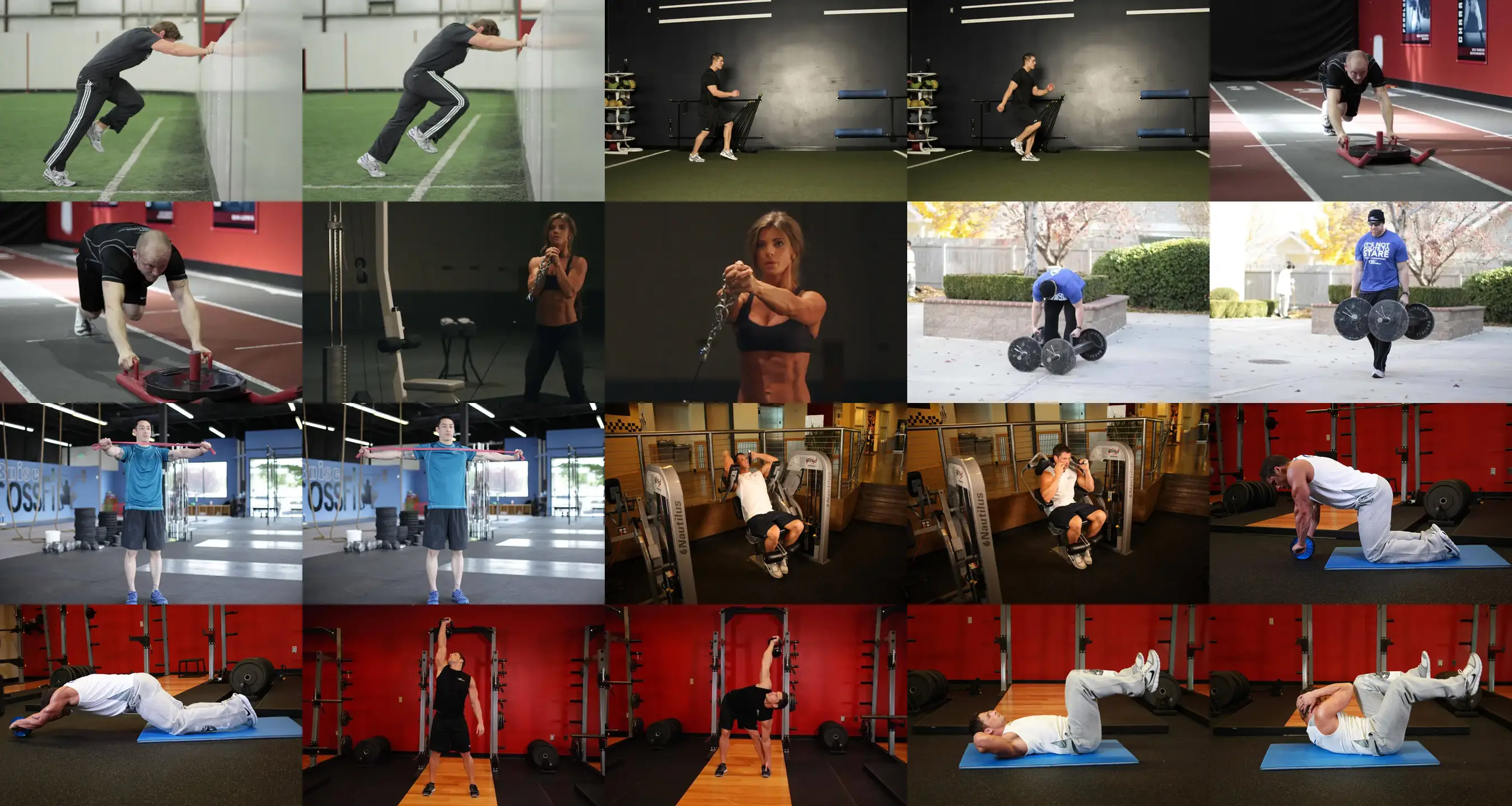
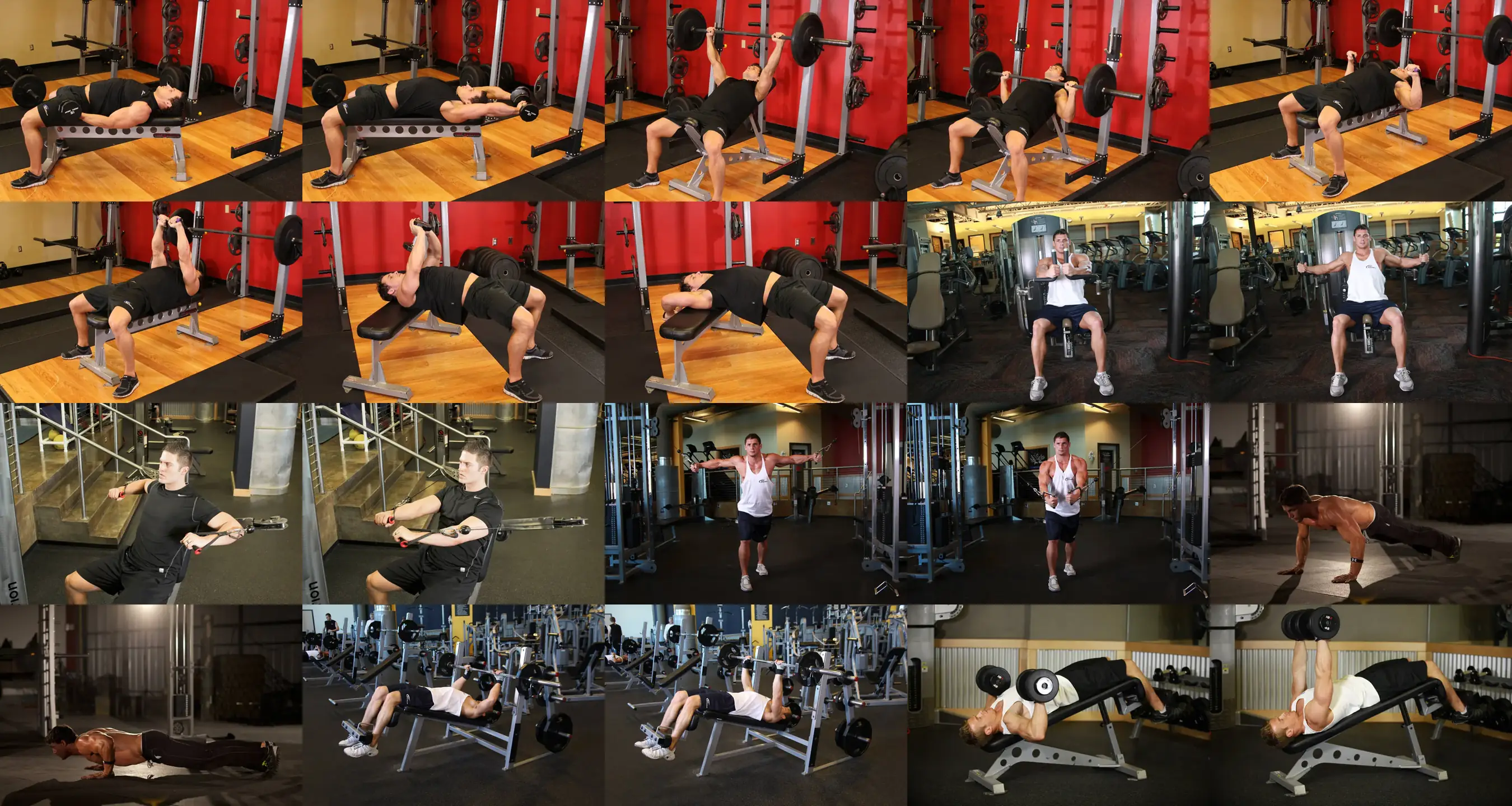
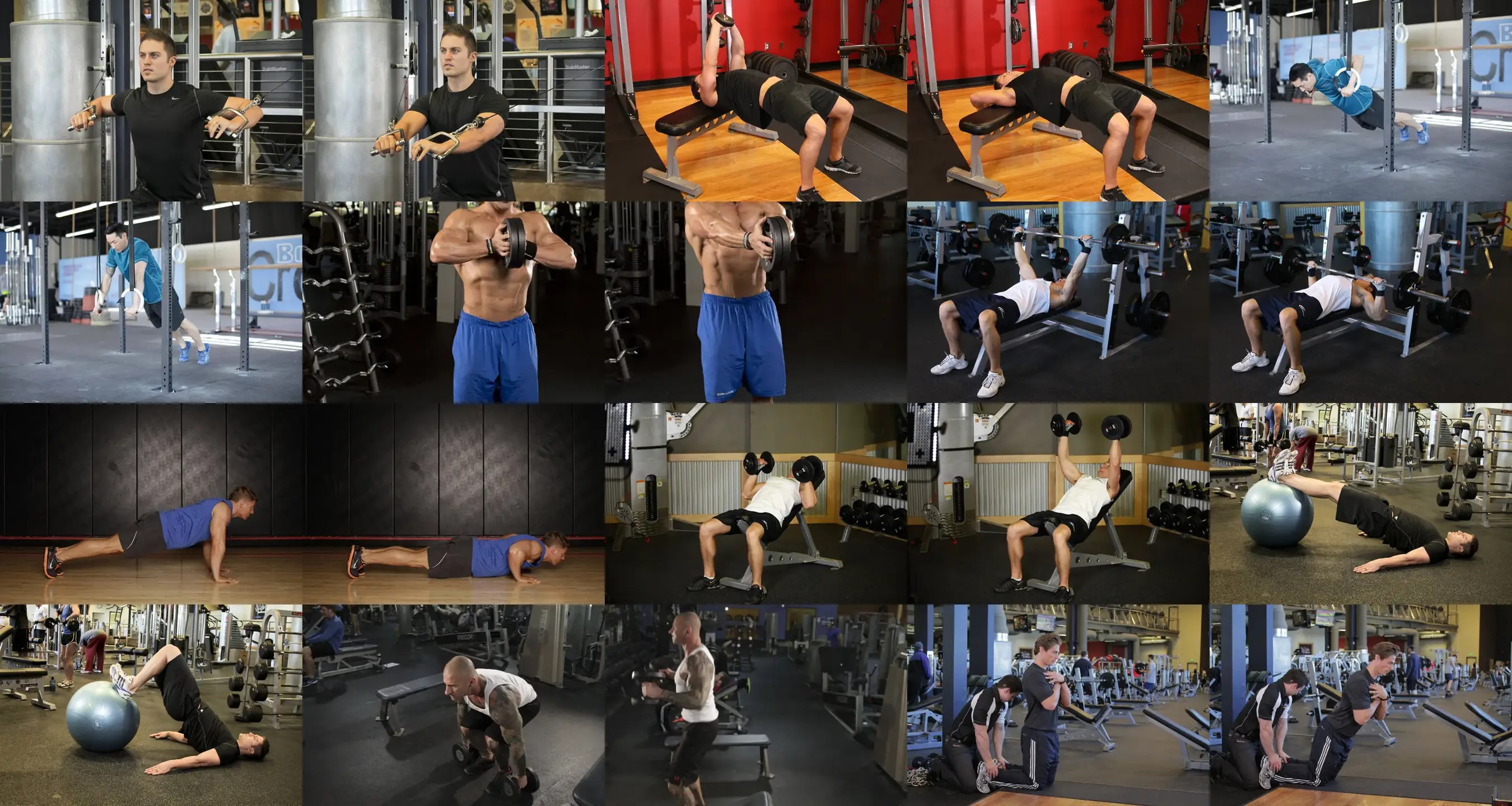
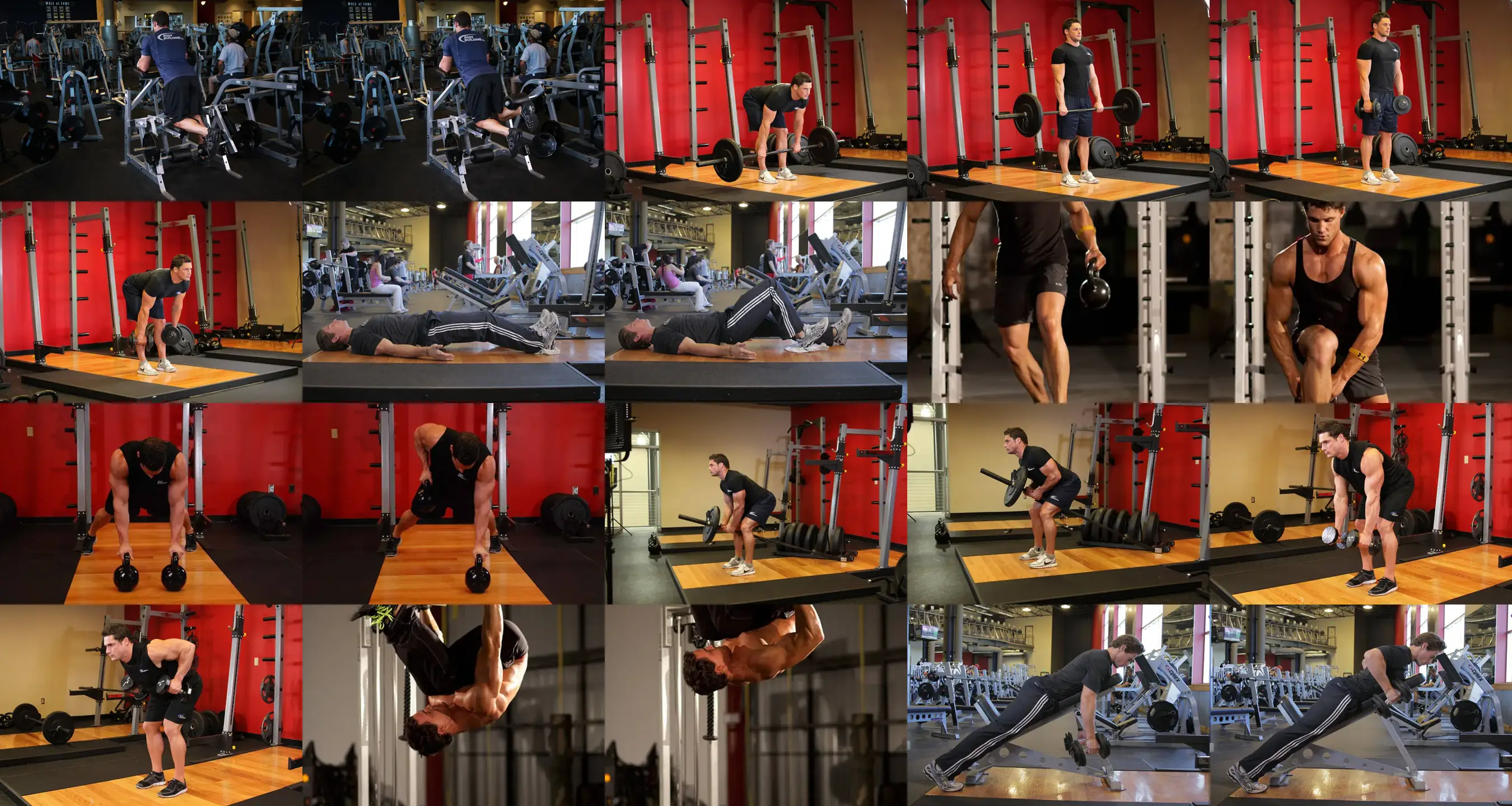
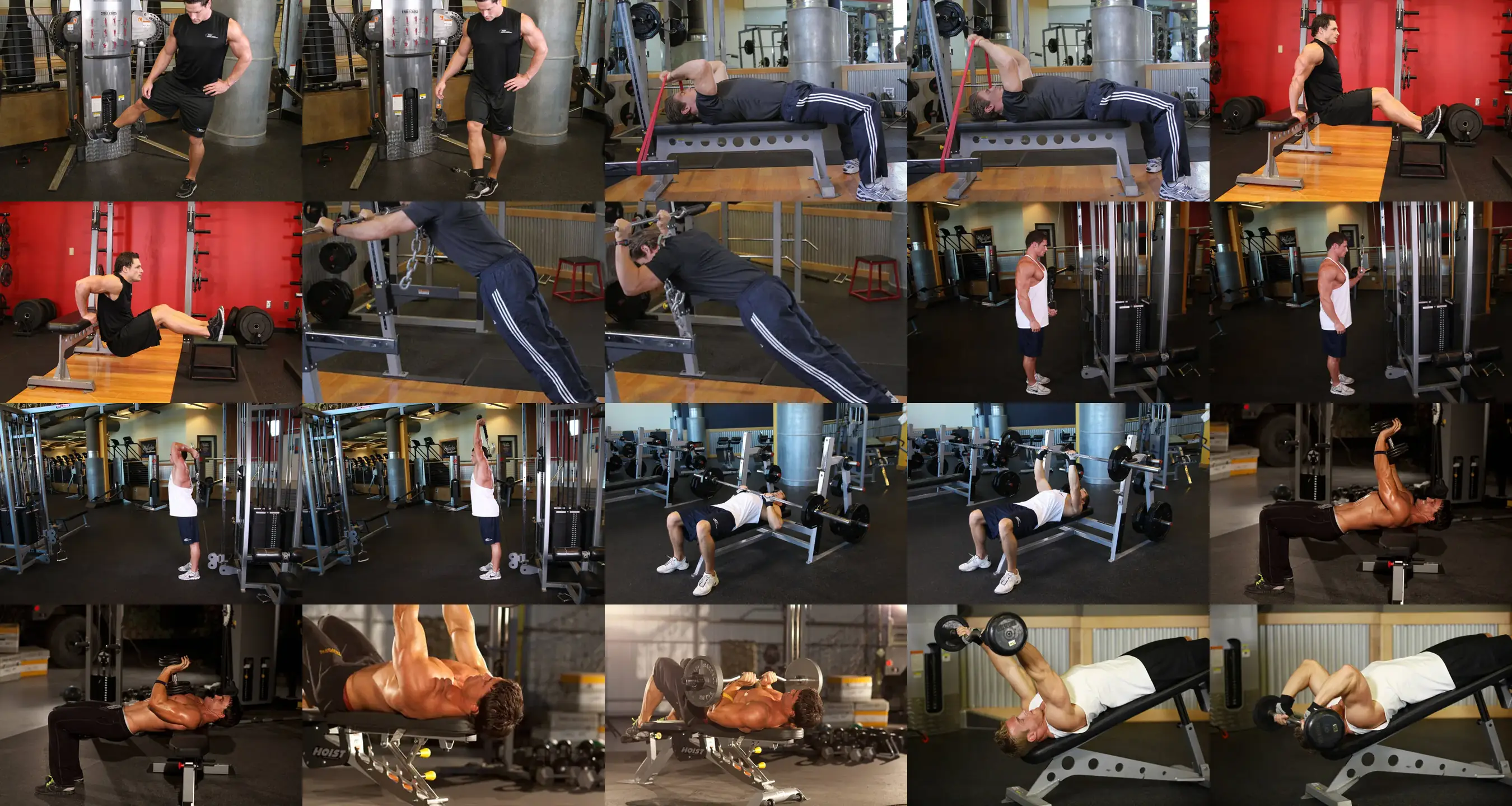
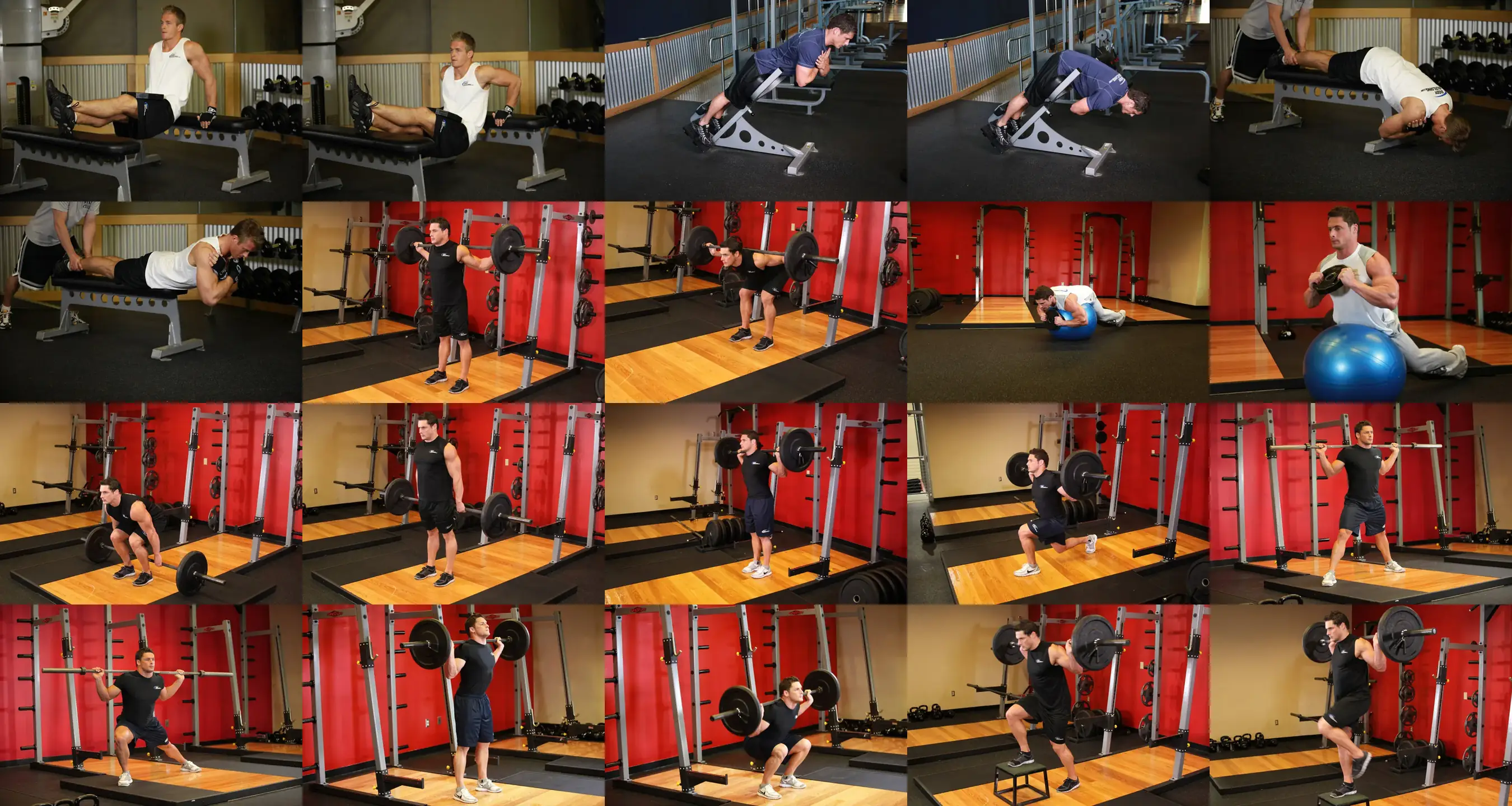
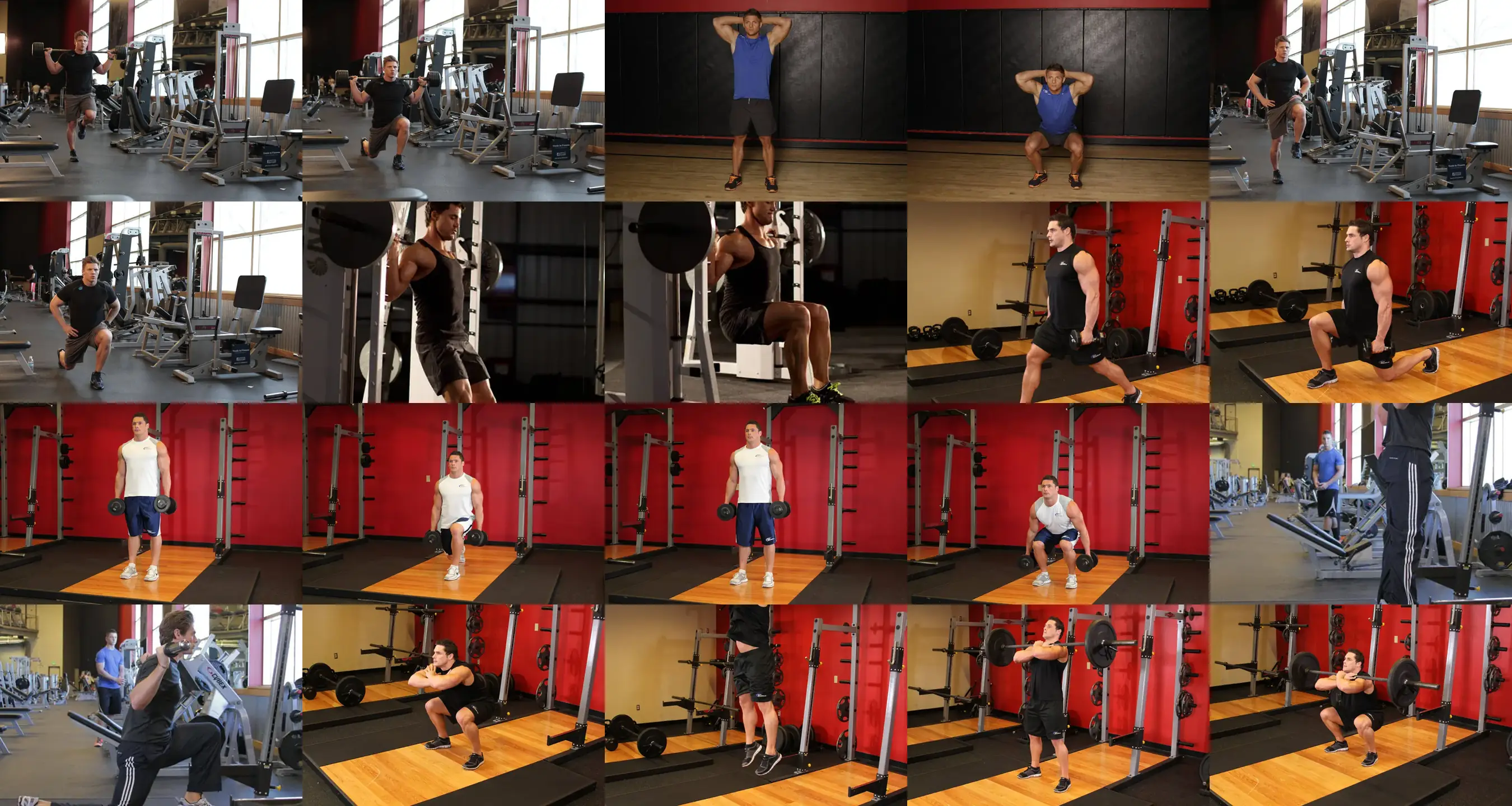
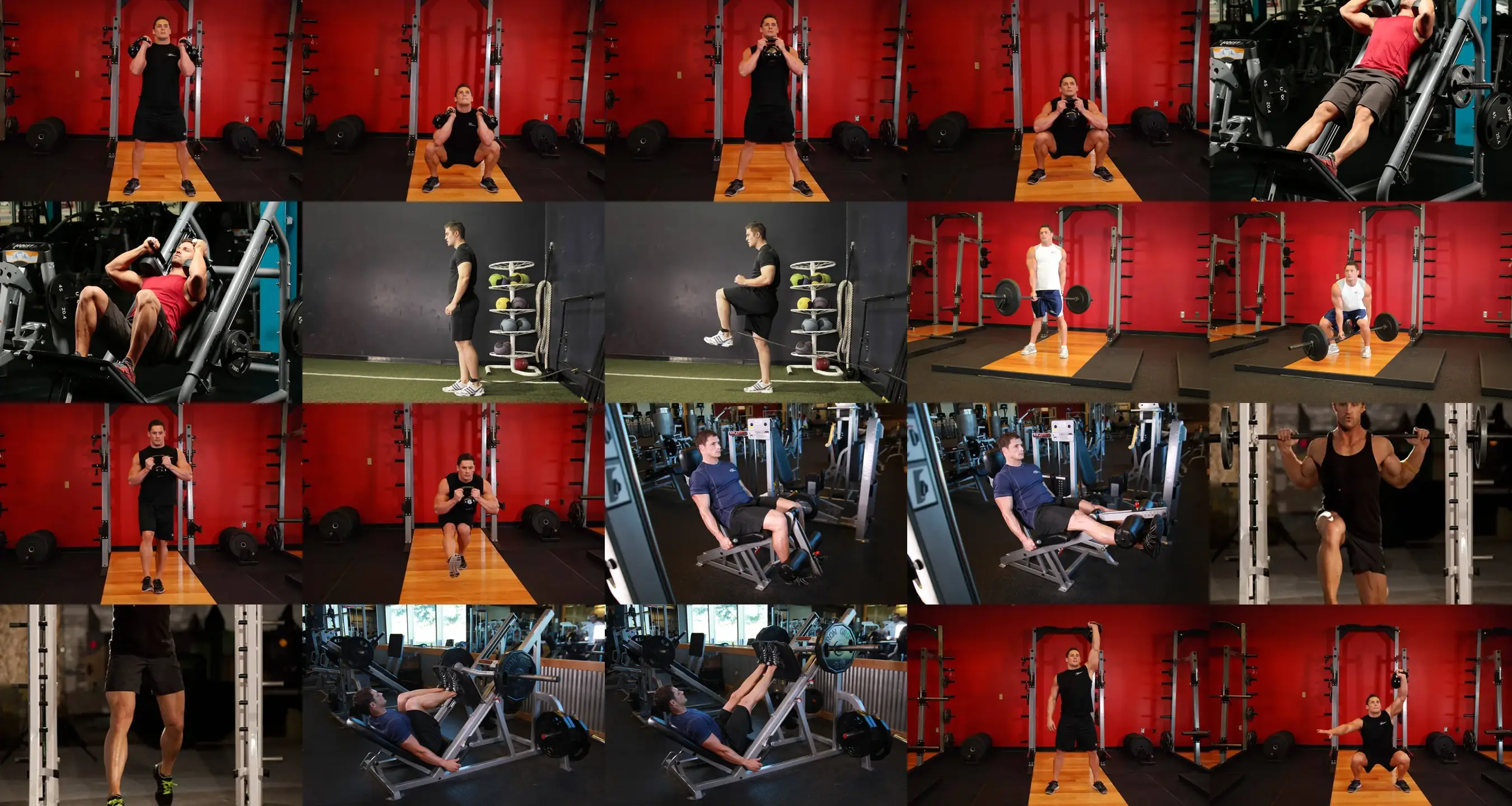
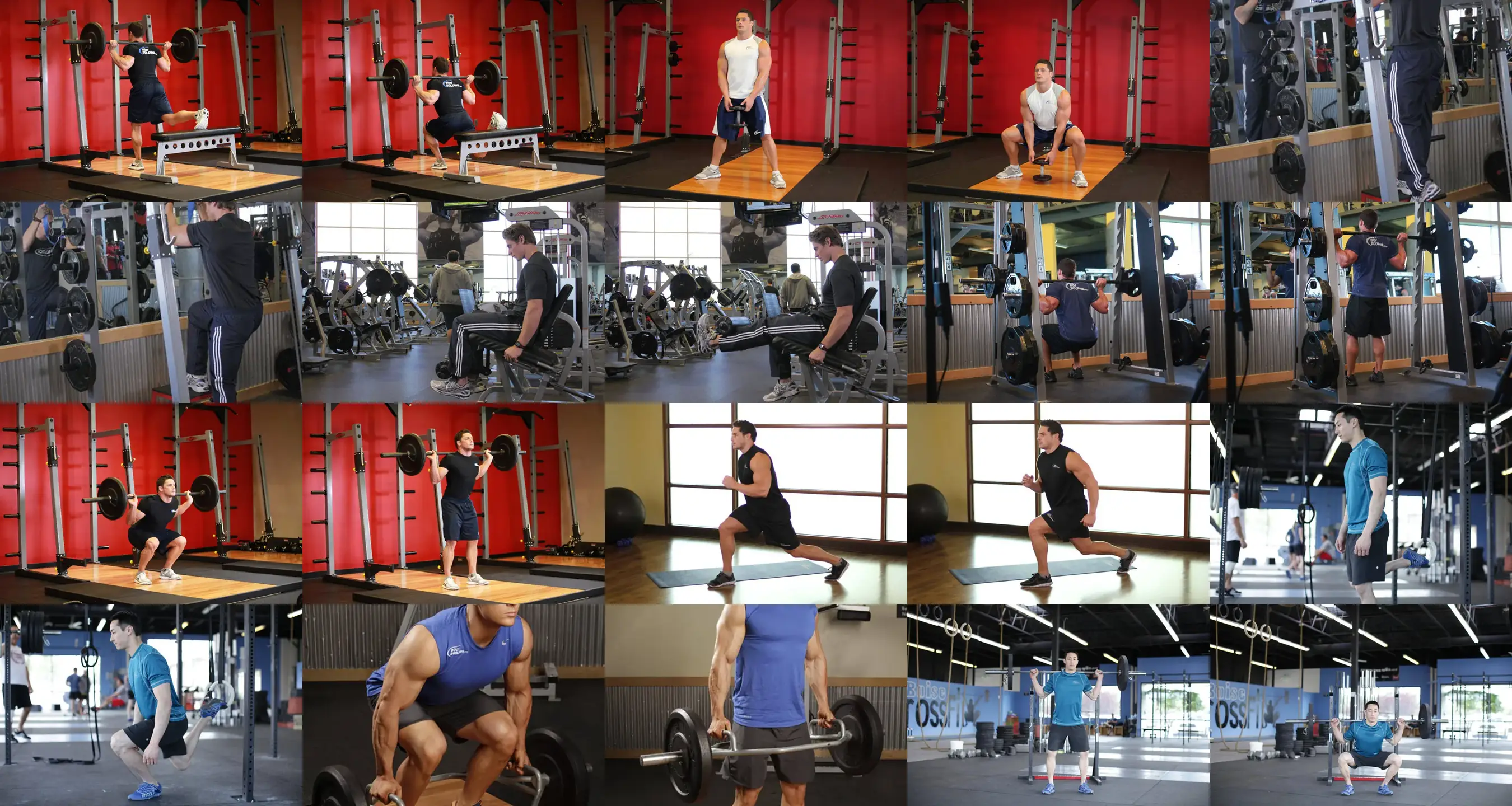
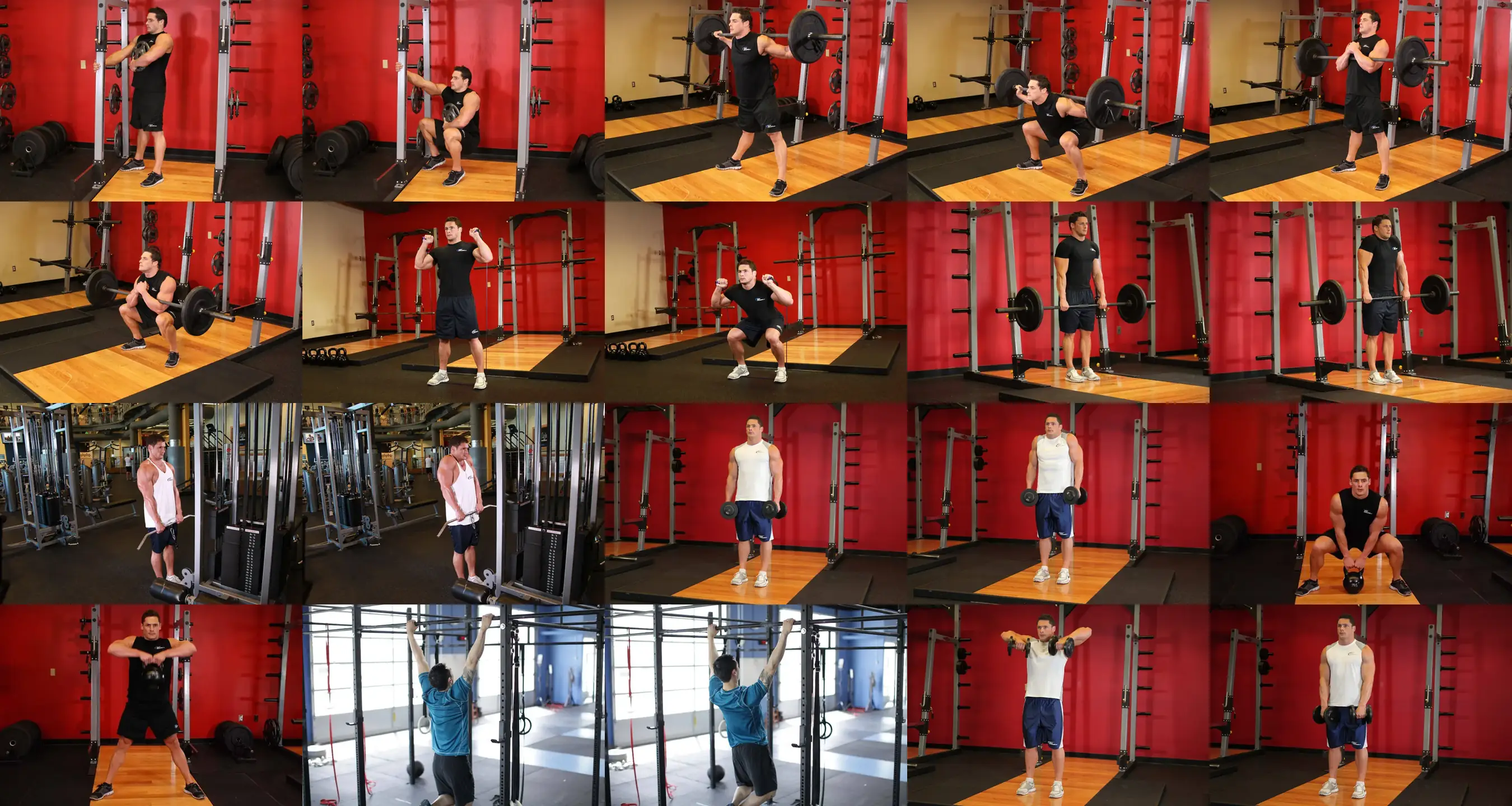
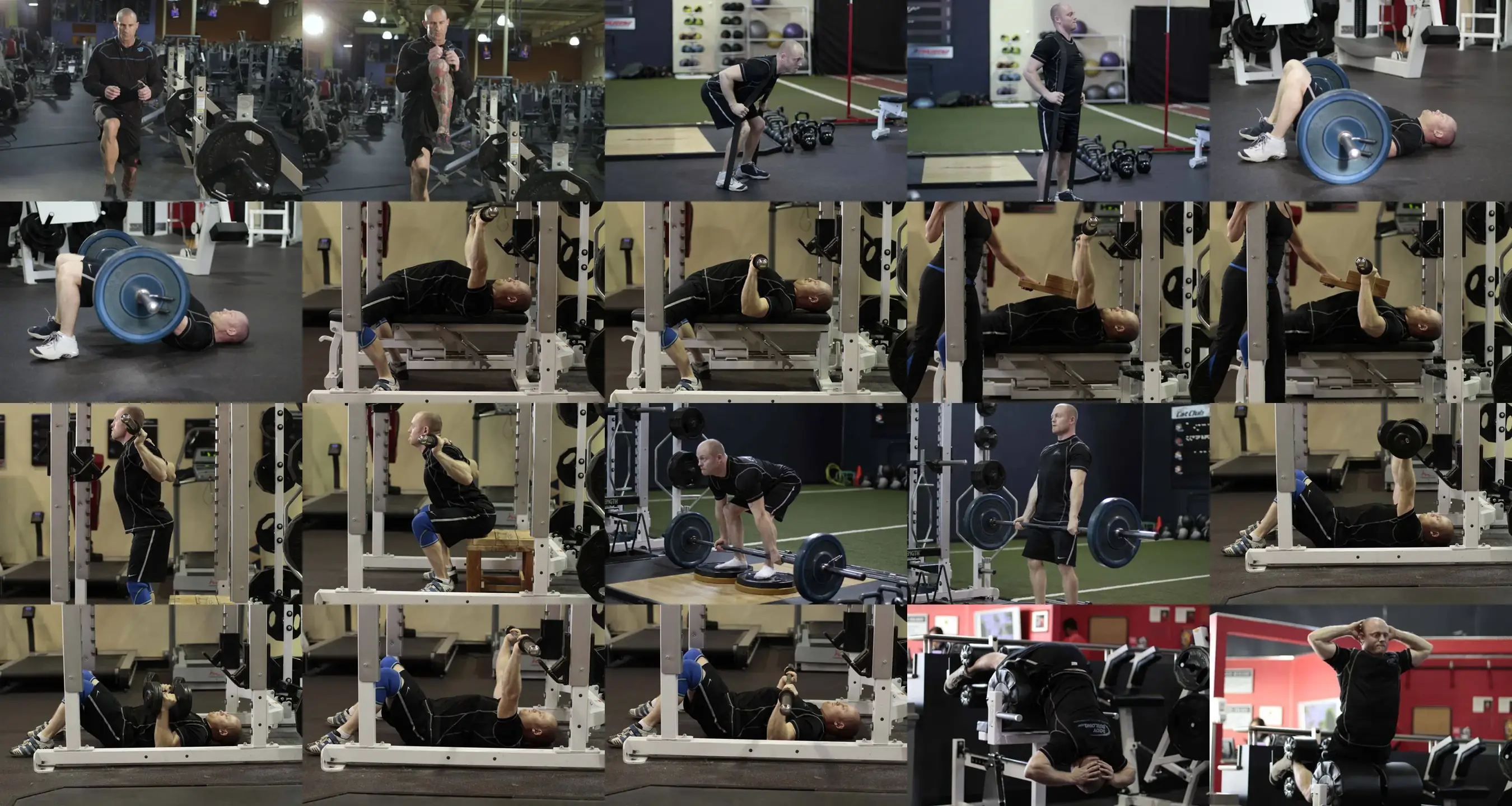
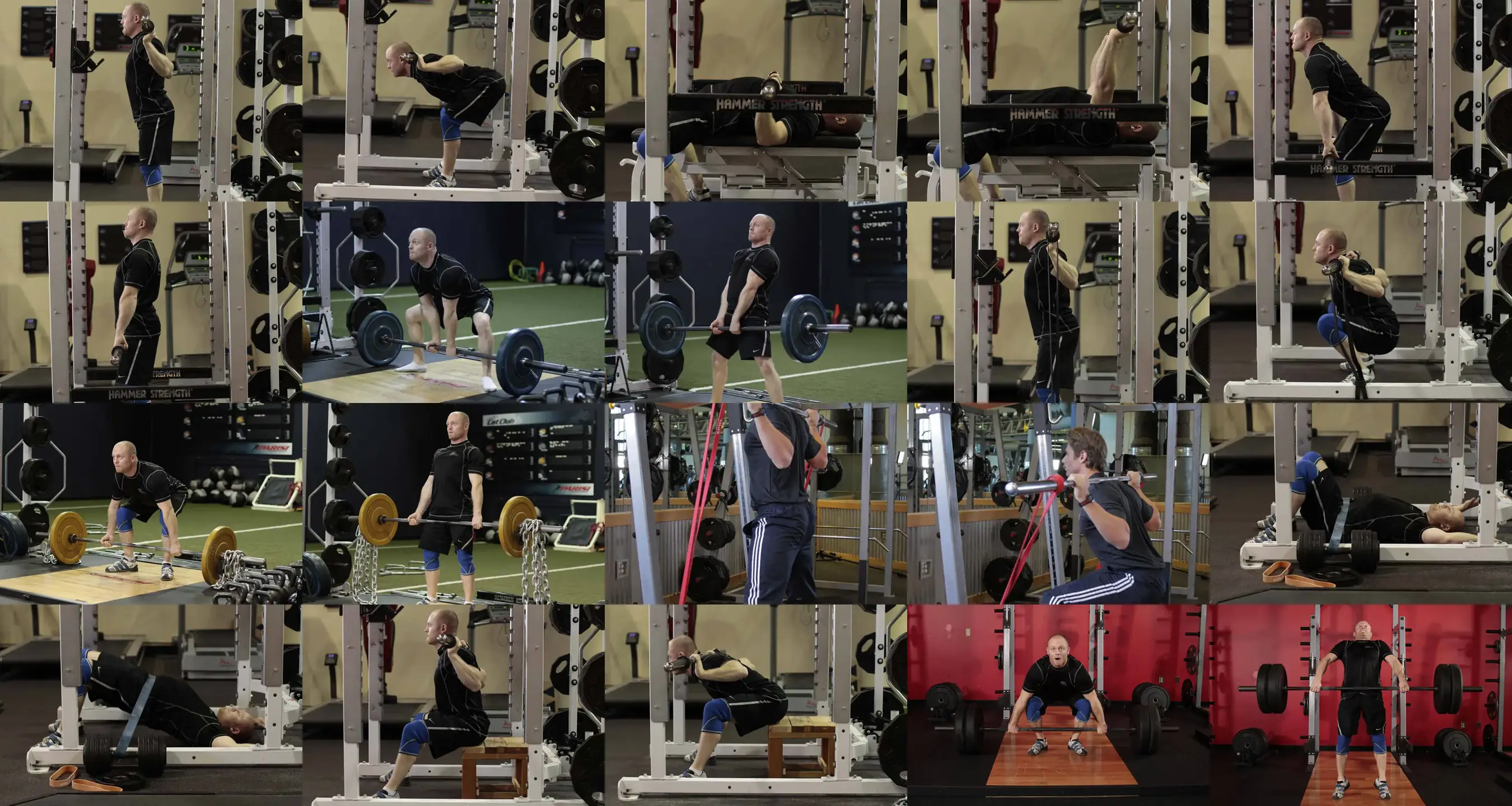
Squat, bench and deadlift, plus everything that supports them. Here are the 40 exercises that help you most, sorted by goal.
Powerlifting comes down to three lifts, the squat, bench press, and deadlift, with the goal of moving the heaviest possible weight for one rep. Behind that simplicity is careful planning of strength, technique, and fatigue across the whole competitive season.
Paid program · 8 weeks
Raise your squat, bench press and deadlift numbers with linear progression and a test at the end.
Powerlifting demands maximal strength in three specific patterns and highly refined technique, since small changes in bar position or bar path can mean several kilos. You need big muscles in your legs, glutes, back, chest, and triceps, because muscle mass is the foundation of strength. Bracing and creating pressure in your midsection, a stable upper back on the bench, and the mental tolerance to handle near maximal loads are just as important.
Most lifters train three to five days a week and practice each lift two or three times. Far from a meet, prioritize volume with sets of 5 to 8 reps at 65 to 80 percent and accessory work for weak points. In the 8 to 12 weeks before competing, cut volume and raise intensity, with sets of 1 to 3 reps above 85 percent. The final week or two is a taper so you arrive fresh.
The lower back, shoulders from benching, elbows, and hips take the most stress. Much of the risk comes from sudden load spikes, form breaking down under fatigue, and too little exercise variety. Use perceived effort to adjust weight day to day instead of forcing percentages. Include rows and upper back work to balance the bench, and variations like paused squats to strengthen positions without maximal loads.
Most lifters squat and bench two or three times a week and deadlift once or twice, since it is more fatiguing. Frequent practice sharpens technique, which in powerlifting matters almost as much as raw strength.
Research shows injury rates similar to or lower than many team sports. Risk climbs with poorly managed loads and weak technique. With sensible progression, it is a relatively safe sport to train for years.
It is not required, but it helps you create more abdominal pressure on heavy sets, and many lifters move a bit more weight with one. Learn to brace without a belt first, then use it on heavier work.
8-week plans with sets, reps and progression, built for your sport. Includes a downloadable PDF.
Raise your squat, bench press and deadlift numbers with linear progression and a test at the end.
Build muscle with 3 full-body sessions, progressive loading and just enough volume to recover.
Bodyweight pull-ups, dips, push-ups and core, with clear week-by-week progressions.