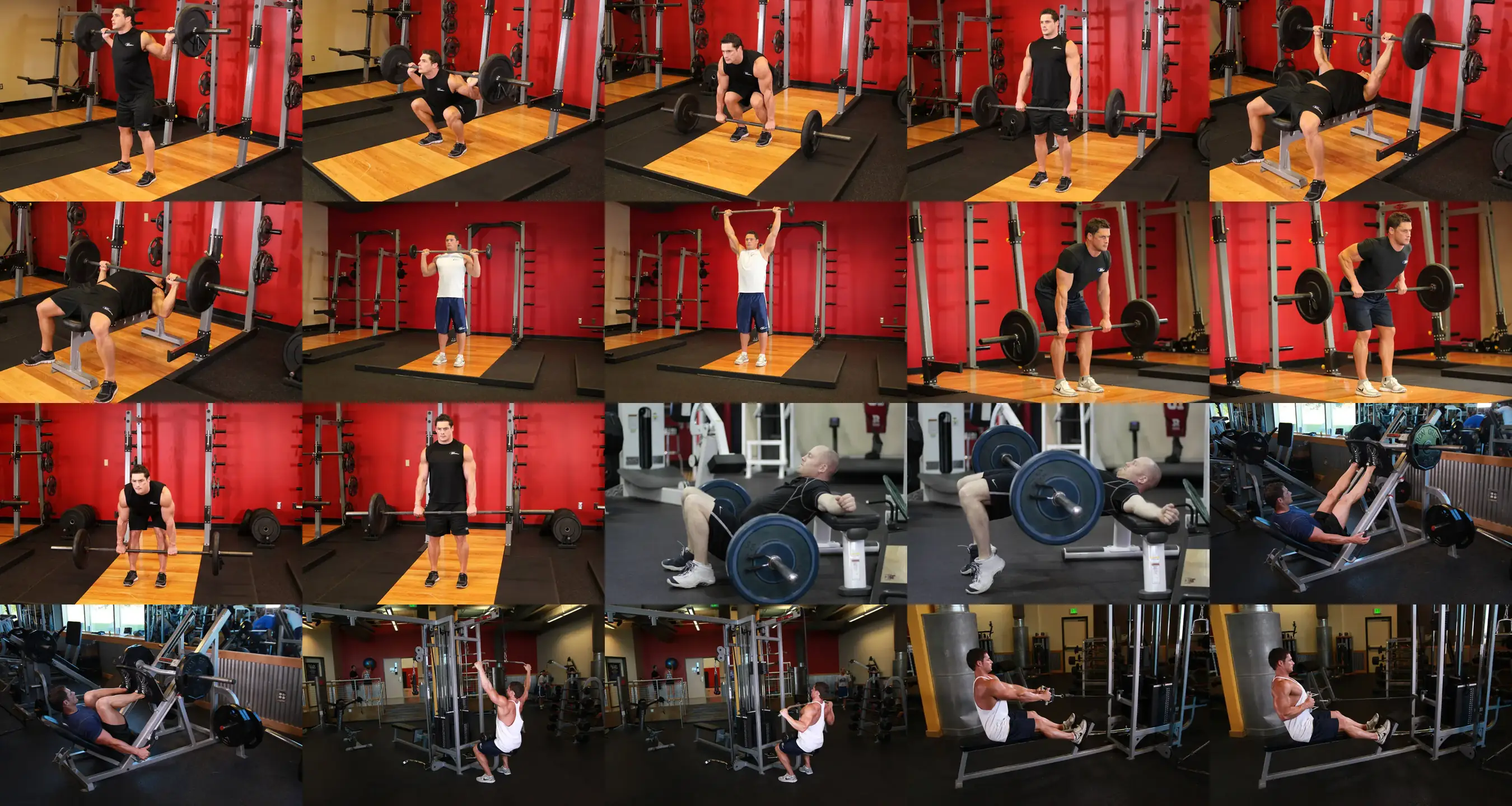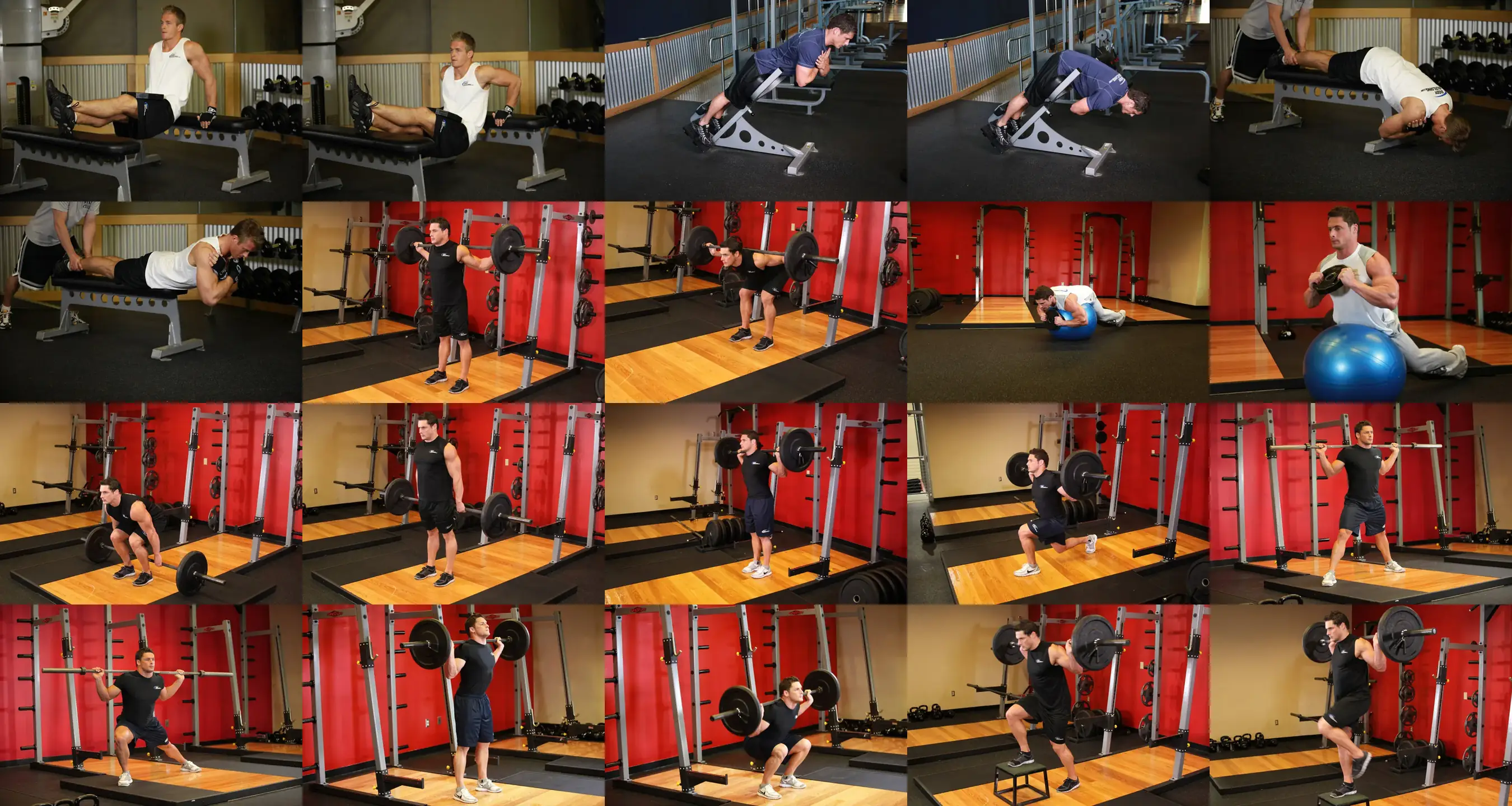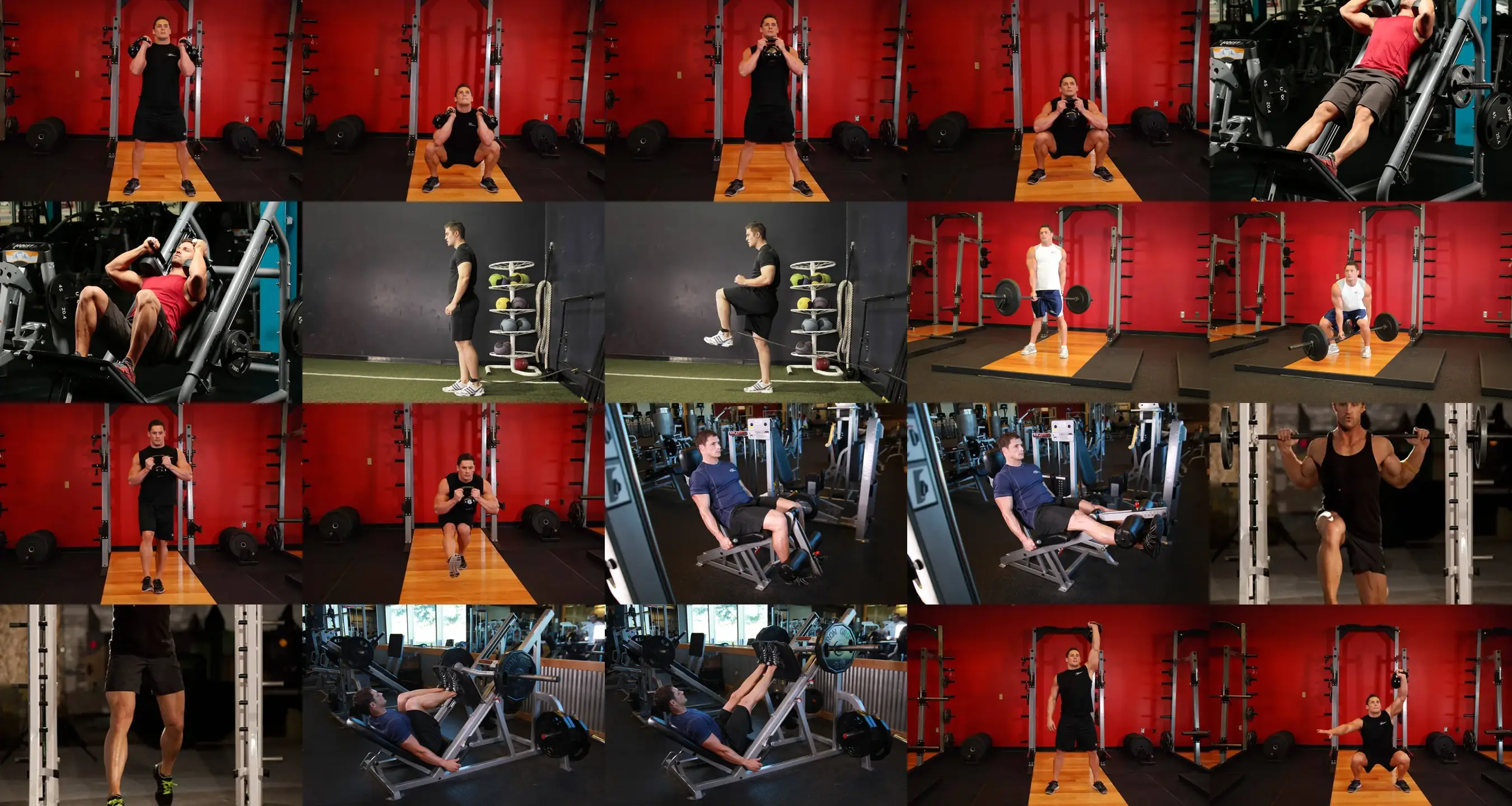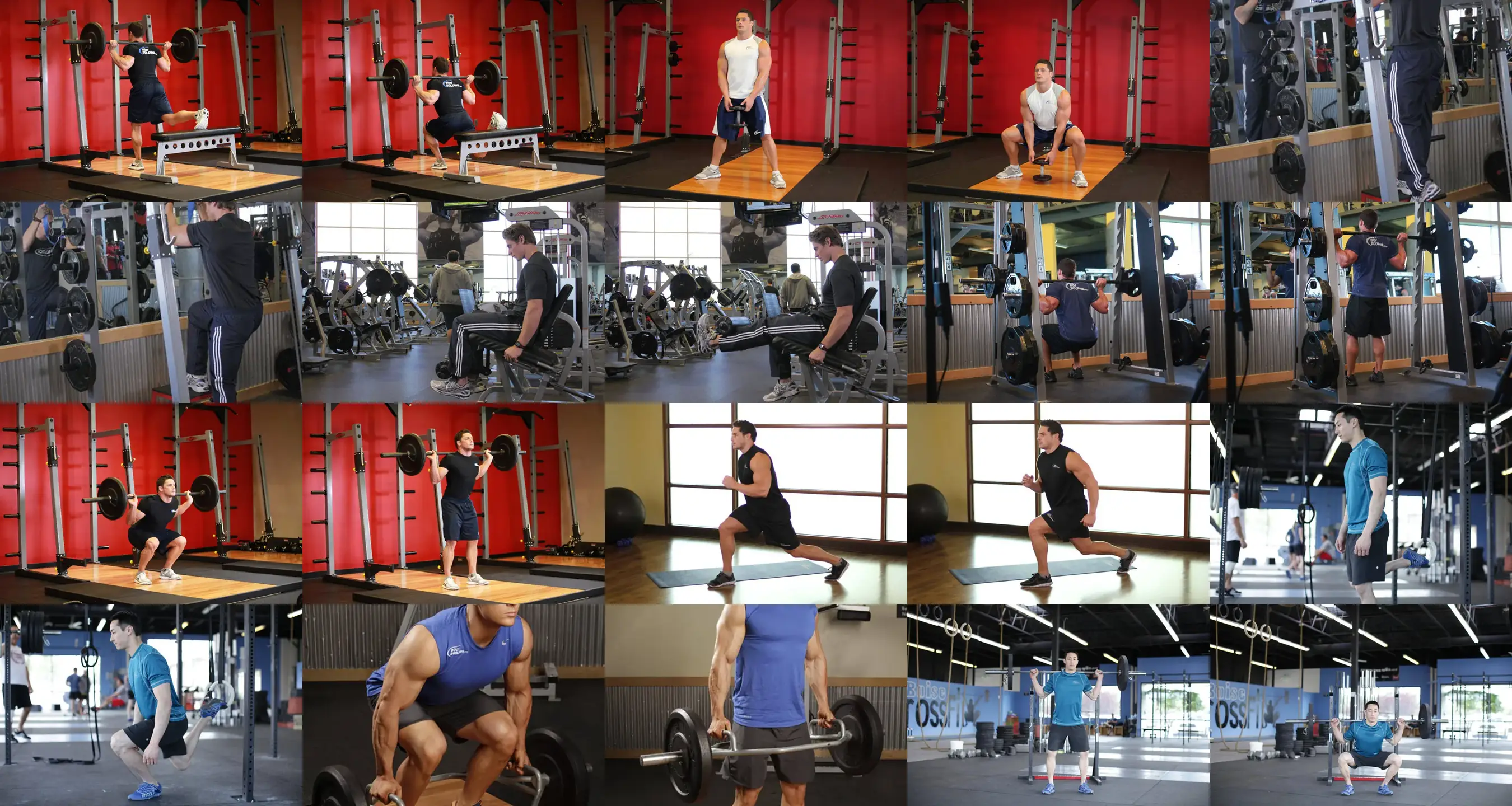
Setup and loading
Set the bar on your upper traps in the rack and take a stance 1.5 to 2 times shoulder width with toes turned out 30 to 45 degrees. Start a bit lighter than your usual squat while your hips adapt to the new stance.
How to do the wide-stance barbell squat step by step
- Unrack the bar onto your upper traps and take two steps back into a wide, stable stance.
- Turn your toes out and make sure your knees can travel in that same direction as you descend.
- Take a big breath, brace your abs and start the descent by pushing your knees out and your hips back and down.
- Lower until your thighs are parallel to the floor, keeping your torso tight and slightly more upright than in a narrow squat.
- Push the floor apart through your heels and stand up squeezing your glutes, exhaling past the sticking point.
- Fully extend your hips at the top and repeat, racking the bar when the set is done.
Form cues
- Spread the floor apart with your feet as you drive
- Knees always out, tracking over your toes
- Chest up and bar stacked over midfoot
- Squeeze your glutes to finish the rep
Common mistakes
- Knees caving on the way up: it stresses the knee; actively drive them out.
- Stance wider than your hips allow: you lose depth; adjust the width.
- Leaning too far forward: it turns into a good morning; keep your chest high.
- Losing your brace at the bottom: your lower back rounds; breathe and brace before descending.
How to make it easier or harder
To learn the pattern, start with the dumbbell sumo squat or a wide-stance box squat. To progress, add load gradually, include bottom pauses or use bands to build strength through the lockout.
Sets and reps for your goal
Hypertrophy
3-4 x 8-12 · rest 60-90 s3-4 sets of 6-12 reps (up to 15-20 on isolation exercises) at 65-80% of your max. Rest 1 to 2 minutes.
Get close to failure (0-3 reps in reserve) and control the lowering for 2-3 seconds. Accumulate 10-20 sets per muscle per week.
Max Strength
4-5 x 3-6 · rest 2-3 min3-6 sets of 1-6 reps at 80-90% of your max (1RM). Rest 2 to 5 minutes.
Leave 1-3 reps in reserve. If your technique breaks down, lower the weight: strength is built with good reps.
A guide for healthy adults. Adjust the load to your level and see a professional if you have an injury.
Check your form
Film yourself from the side or ask someone to watch, then tick what you get right.
Frequently asked questions
What does a wide-stance squat work more than a narrow one?
The wide stance puts more work on your glutes and adductors and lets you stay more upright. A narrow stance relies more on your quads and demands more knee bend. Both train the whole lower body; only the emphasis changes.
How wide should my stance be on a wide squat?
A good reference is 1.5 to 2 times shoulder width. The right stance is the one where your knees track over your toes and you reach parallel without your back rounding.
Sports it suits
Gear for this exercise
- Olympic barbell and platesTo keep progressing on the big lifts with heavy loads.
As an Amazon Associate, Muscle Atlas earns from qualifying purchases.