Setup and loading
Use your wide snatch grip, where the bar sits in your hip crease when you stand with straight arms. Start at 80 to 100 percent of your best snatch and work up to 110 or 120 percent only if your technique stays identical.
How to do the snatch pull step by step
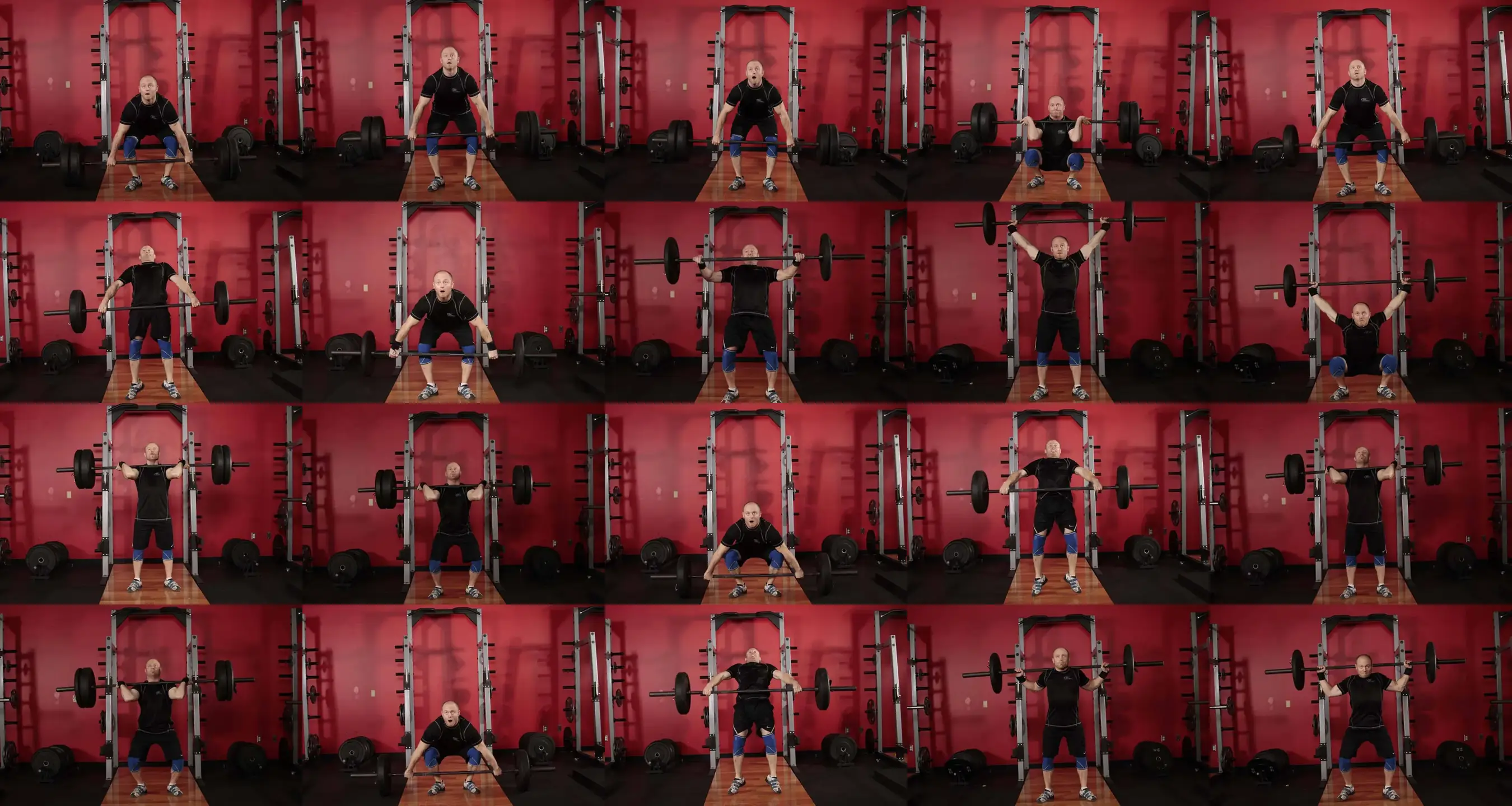
- Set your feet hip width apart with the bar over midfoot and take a wide snatch grip, ideally a hook grip.
- Drop your hips, lift your chest, keep shoulders slightly ahead of the bar and arms straight; take a breath and brace.
- Break the bar off the floor by pushing through your legs, keeping your back angle constant until the bar clears your knees.
- As the bar reaches your upper thighs, explosively extend your hips, knees, and ankles while your arms stay long.
- At the top of the extension, shrug your shoulders toward your ears and let the bar float up close without bending your elbows.
- Exhale and lower the bar under control to your thighs and then the floor, resetting before the next rep.
Form cues
- Bar brushes your legs the whole way
- Shoulders over the bar off the floor
- Extend hard, then shrug
- Arms long like ropes
Common mistakes
- Pulling early with the arms: it cuts off hip extension; keep elbows long until the shrug.
- Bar drifting forward: you lose leverage and balance; engage your lats to keep it against your thighs.
- Hips shooting up first: your back does all the work; push the floor with your legs at liftoff.
- Incomplete extension: you miss the point of the drill; finish tall on your toes before shrugging.
How to make it easier or harder
If the positions still feel off, start with hang snatch pulls or pulls from blocks for a shorter range. To progress, load above your snatch max, add pauses below the knee, or move to the snatch high pull.
Sets and reps for your goal
Power
4-6 x 2-5 · full rest3-6 sets of 1-5 reps with light or moderate loads (30-60% of your max on the main lifts), or with a ball or your bodyweight. Rest 2 to 3 minutes.
Every rep at the highest possible speed. As soon as you notice it moving slower (a 10-20% velocity loss), end the set. Train power fresh, never fatigued.
Max Strength
4-5 x 3-6 · rest 2-3 min3-6 sets of 1-6 reps at 80-90% of your max (1RM). Rest 2 to 5 minutes.
Leave 1-3 reps in reserve. If your technique breaks down, lower the weight: strength is built with good reps.
A guide for healthy adults. Adjust the load to your level and see a professional if you have an injury.
Check your form
Film yourself from the side or ask someone to watch, then tick what you get right.
Frequently asked questions
What is the snatch pull good for?
It lets you train the pull with loads heavier than your full snatch, reinforcing positions, bar path, and hip power. It is a classic accessory for weightlifters who miss lifts because their extension lacks strength or speed.
What is the difference between a snatch pull and a snatch deadlift?
The snatch deadlift is slow and stops at the hips, focusing on positions. The snatch pull adds the explosive finish and shrug, so it is more specific to power and is usually done with slightly less weight.
Sports it suits
Gear for this exercise
- Olympic barbell and platesTo keep progressing on the big lifts with heavy loads.
As an Amazon Associate, Muscle Atlas earns from qualifying purchases.