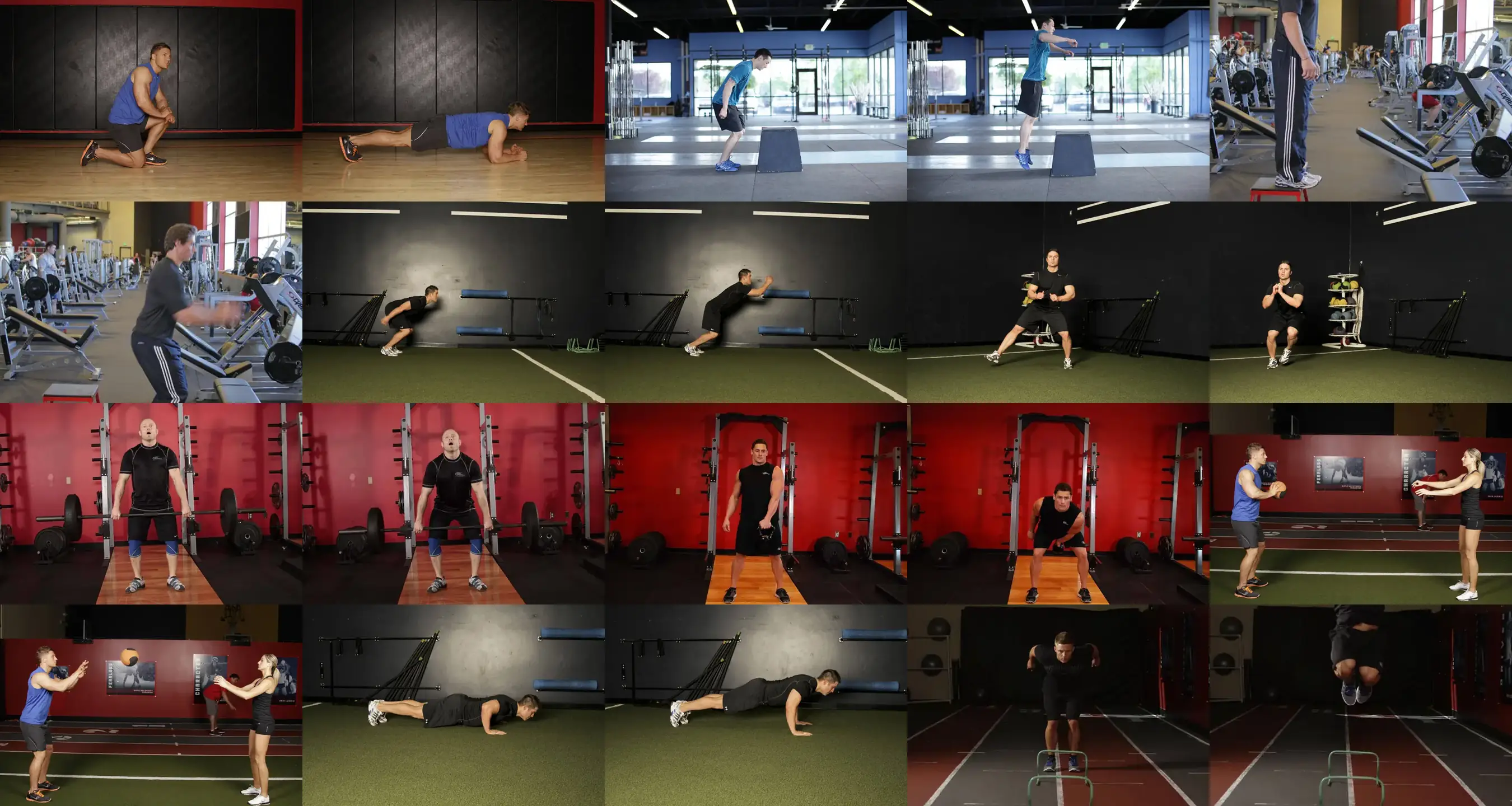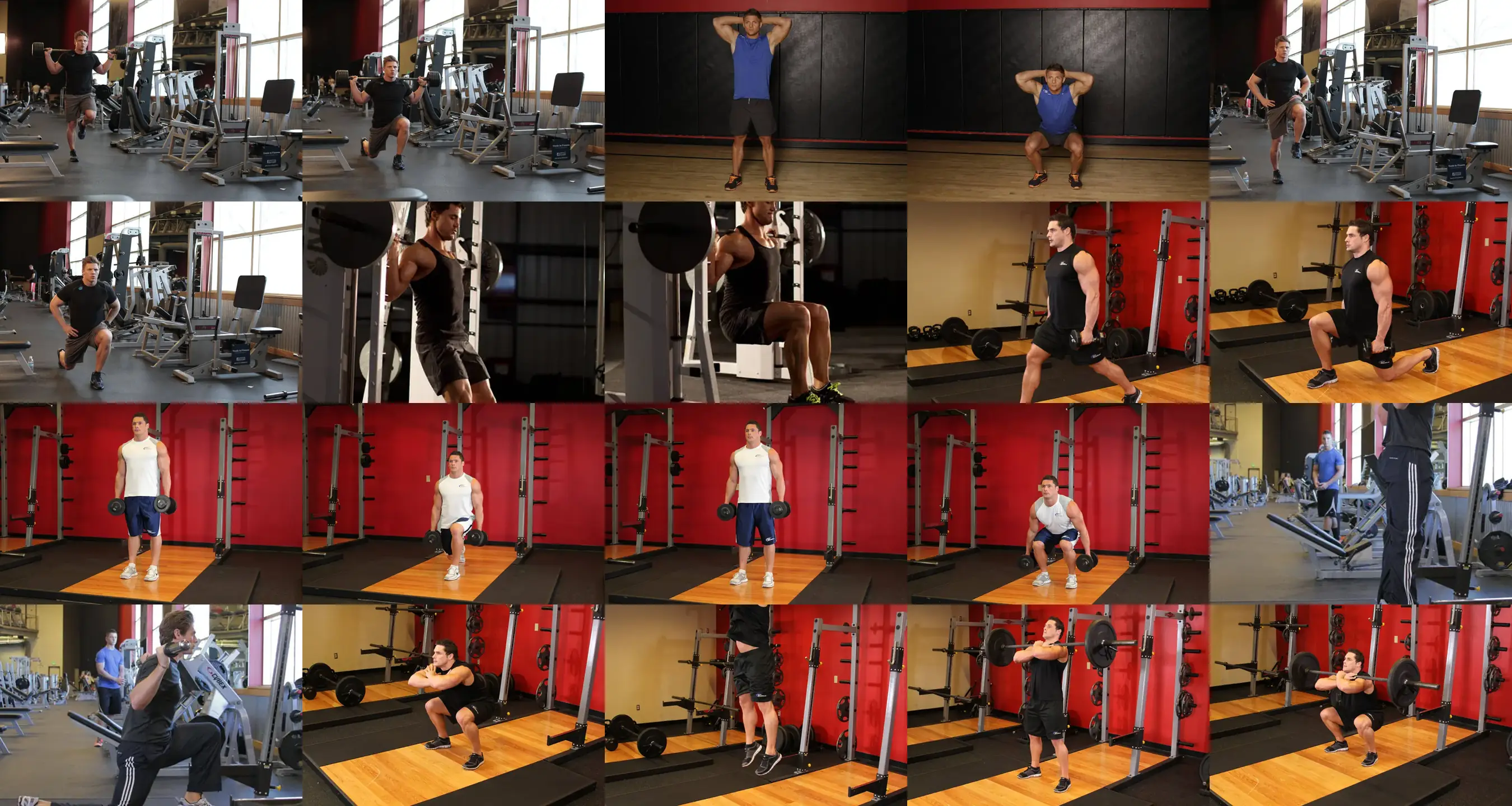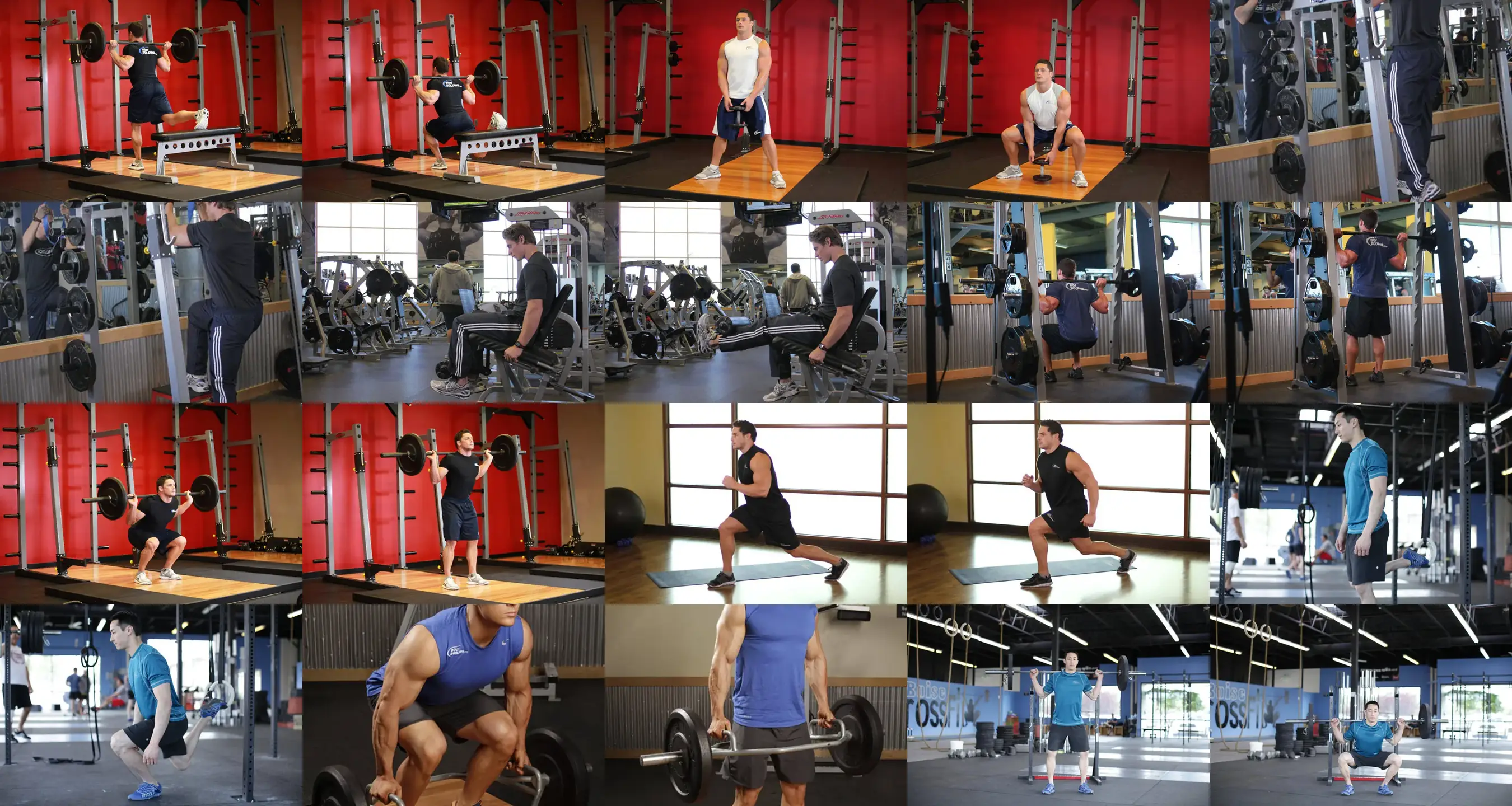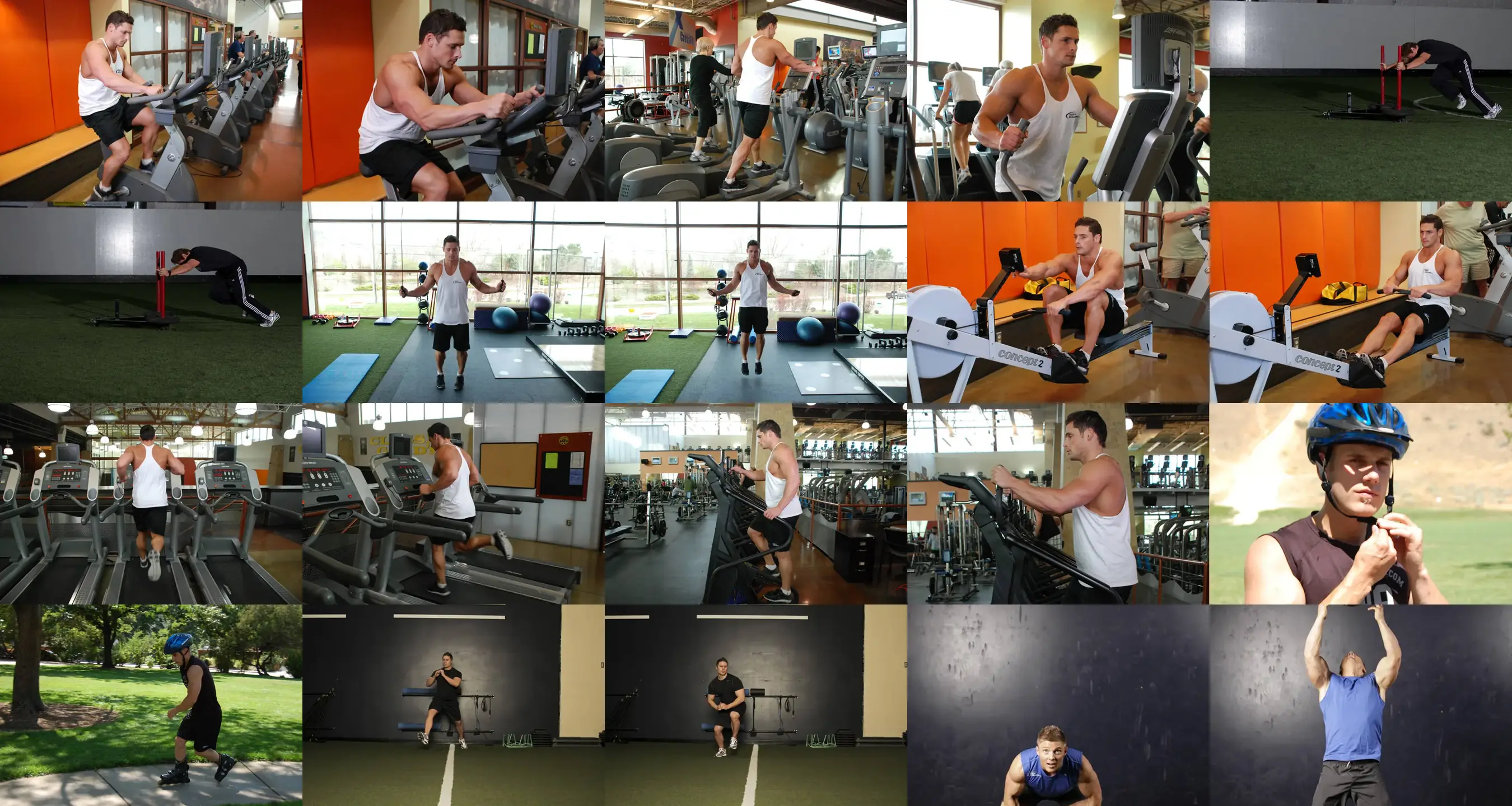
Setup and loading
Do it without load on a forgiving surface. Adjust difficulty with your intent for height and the format: single jumps with a pause or linked jumps with a rebound.
How to do the rocket jump step by step
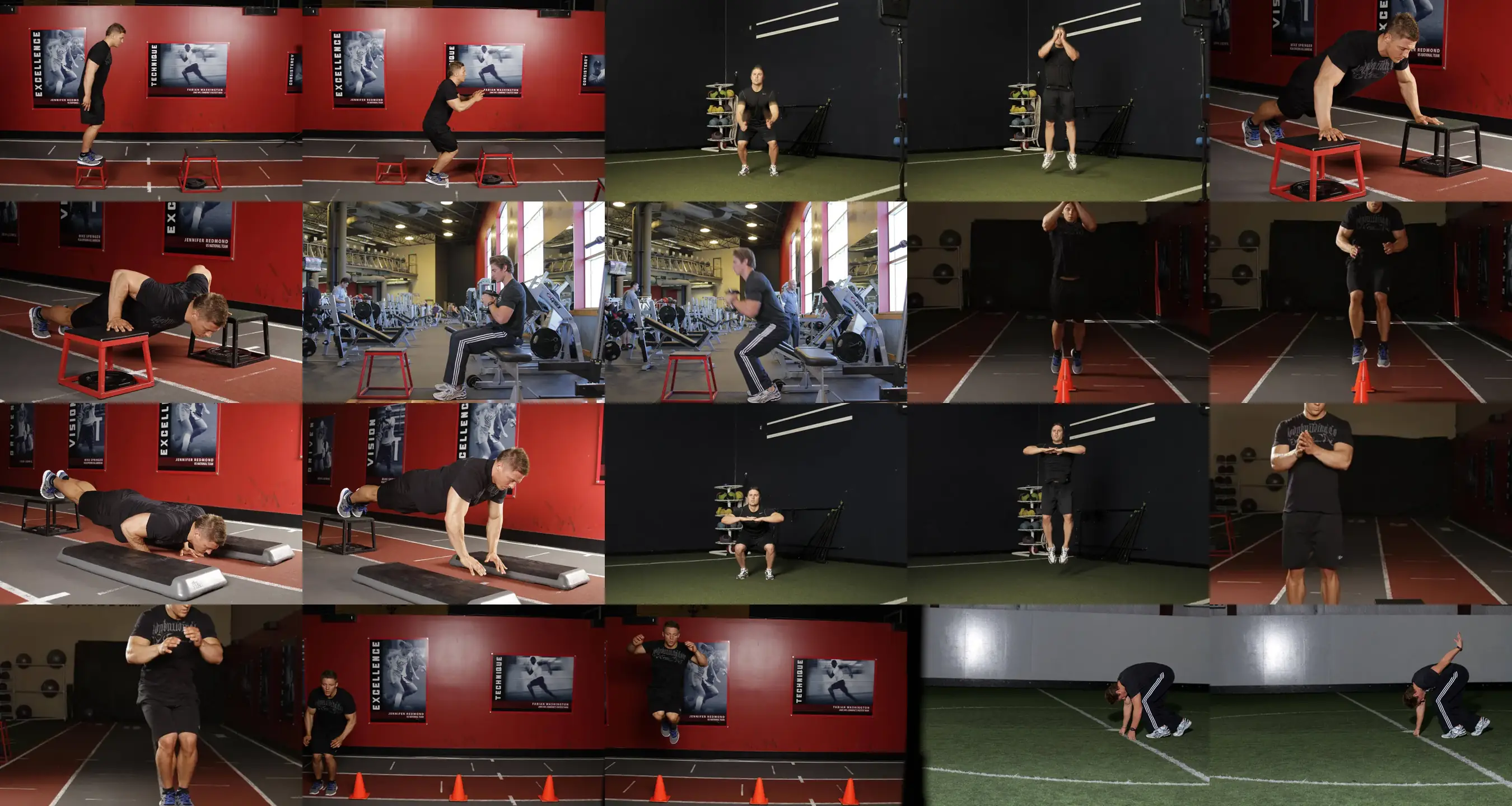
- Stand with feet shoulder width apart and arms relaxed at your sides.
- Drop quickly into a half squat, swinging your arms back and breathing in, with a neutral spine.
- Jump as high as you can by explosively extending your hips, knees and ankles.
- Throw your arms overhead and stretch your whole body in the air like a rocket.
- Land softly on the balls of your feet, lowering your heels and bending knees and hips as you exhale.
- Stabilize for a second and repeat, in sets of 5 to 8 jumps.
Form cues
- Arms to the ceiling
- Straight body in the air
- Quiet, bent knee landing
- Knees over your toes
Common mistakes
- Passive arms: you lose height; throw them up hard at takeoff.
- Dipping too low before jumping: the jump slows down; use a quick half squat.
- Landing stiff: it jars knees and back; absorb by bending every joint.
- Knees caving in: it stresses ligaments; keep them over your toes.
How to make it easier or harder
As a regression, do squats with a calf raise or small hops. To progress, link jumps with short contacts, jump to touch a high target, or move on to tuck jumps.
Sets and reps for your goal
Plyometrics
3-5 x 3-6 jumps · rest 1-2 min3-6 sets of 3-8 jumps. In total, 60-100 contacts per session (40-60 if you're a beginner). Rest 1 to 2 minutes between sets.
Short, quiet ground contact. If the jump loses height or your foot sticks to the ground, stop: the set is no longer training reactivity. Two sessions per week, 48 h apart.
A guide for healthy adults. Adjust the load to your level and see a professional if you have an injury.
Check your form
Film yourself from the side or ask someone to watch, then tick what you get right.
Frequently asked questions
Do rocket jumps improve your vertical jump?
They are a good basic drill because they teach you to coordinate the arm swing with leg extension. To really boost your vertical, combine them with strength training and other plyometrics.
How many rocket jumps should you do?
Three to five sets of 5 to 8 jumps with maximum intent is enough for power work. As a warm up, one or two easier sets will do.
Sports it suits
Gear for this exercise
- Exercise matThick (8-10 mm) for floor work.
As an Amazon Associate, Muscle Atlas earns from qualifying purchases.