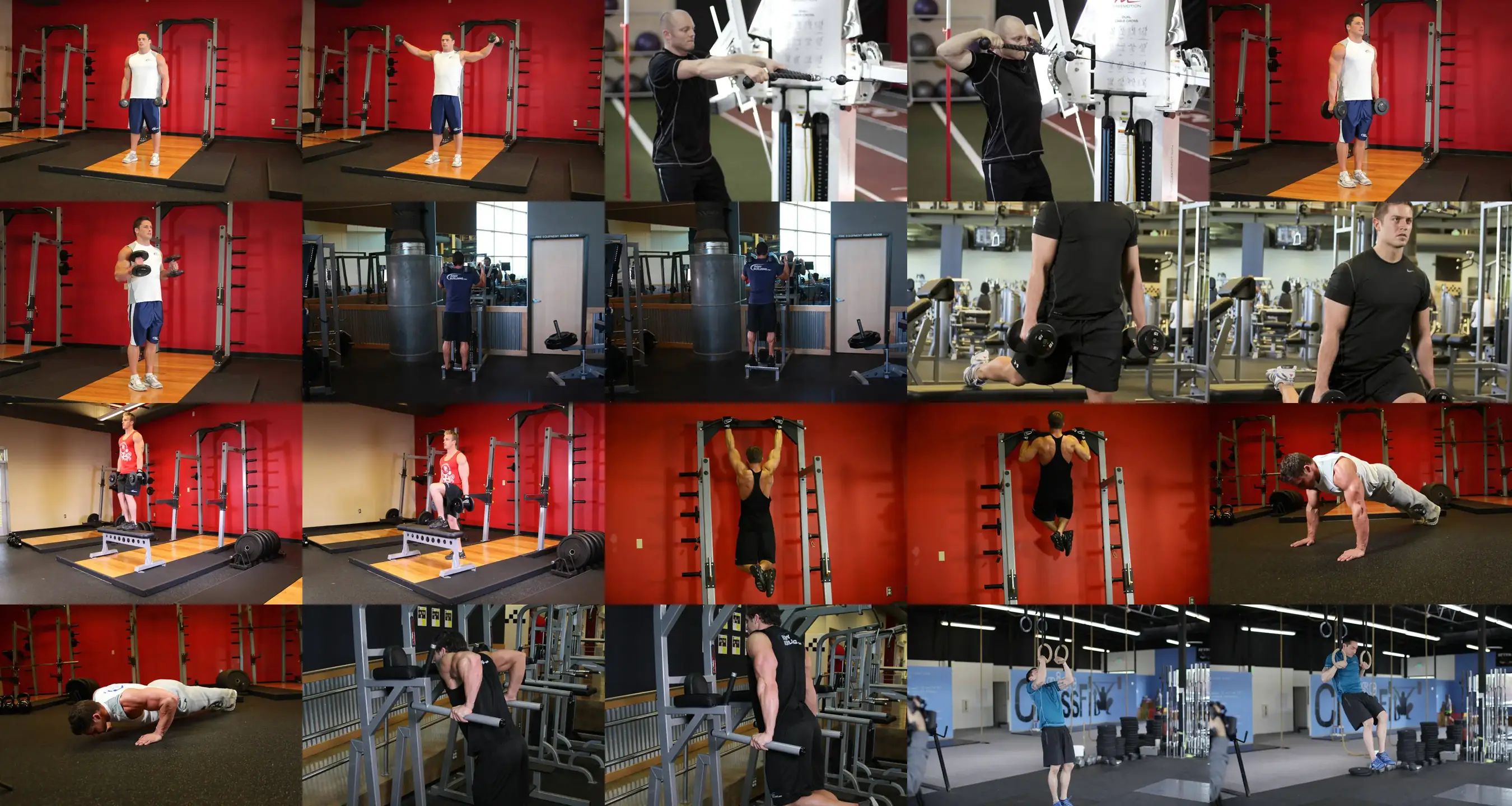
Setup and loading
Place the balls of your feet on the edge of a step or the machine platform with your heels hanging free. Choose a load that allows 10 to 20 reps with full range and a pause at the top; if you only use bodyweight, switch to single-leg sets once you pass 25 reps.
How to do the standing calf raise step by step
- Stand on the machine or a step with the balls of your feet on the edge and your heels off it.
- Set your feet hip-width apart and lightly hold a wall or bar for balance.
- Slowly lower your heels below the step until you feel a strong stretch in your calves.
- Hold that stretch for one second without bouncing to take the Achilles tendon's spring out of it.
- Rise as high as you can, driving through your big toe, and breathe out on the way up.
- Squeeze your calves for a second at the top, then lower over about three seconds while breathing in.
Form cues
- Knees straight but not hard-locked
- Weight over your big toe, not the outside
- Pause in the bottom stretch, no bounce
- Rise as if growing toward the ceiling
Common mistakes
- Bouncing at the bottom: the tendon does the work instead of the muscle; pause one second in the stretch.
- Short range of motion: it limits the stimulus; drop below the step and rise fully every rep.
- Rolling onto the outside of your foot: it stresses the ankle; keep pressure toward your big toe.
- Bending your knees to help: it turns the lift into momentum; keep your legs nearly straight and still.
How to make it easier or harder
To make it easier, do it on flat ground without a step while holding a wall with both hands. To progress, move to single-leg calf raises on a step, hold a dumbbell, or add machine load with two-second pauses at the top and bottom.
Sets and reps for your goal
Hypertrophy
4 x 10-153-4 sets of 6-12 reps (up to 15-20 on isolation exercises) at 65-80% of your max. Rest 1 to 2 minutes.
Get close to failure (0-3 reps in reserve) and control the lowering for 2-3 seconds. Accumulate 10-20 sets per muscle per week.
Endurance
3 x 20-252-4 sets of 15-30 reps or 30-60 seconds at 40-60% of your max. Rest 30 to 60 seconds.
Steady pace and clean technique to the end. Circuits help you build volume with little rest.
A guide for healthy adults. Adjust the load to your level and see a professional if you have an injury.
Check your form
Film yourself from the side or ask someone to watch, then tick what you get right.
Frequently asked questions
Why won't my calves grow?
Genetics play a big role, but the usual culprits are short range and bouncing. Use a full range of motion, pause in the stretch, take sets of 10 to 20 reps close to failure and train them two or three times per week.
Are standing or seated calf raises better?
They complement each other. Standing with straight knees hits the gastrocnemius harder. Seated with bent knees slackens the gastrocnemius, so the soleus does most of the work. For complete calf development, include both variations.
Sports it suits
Gear for this exercise
- Exercise matThick (8-10 mm) for floor work.
As an Amazon Associate, Muscle Atlas earns from qualifying purchases.
Variations and similar exercises
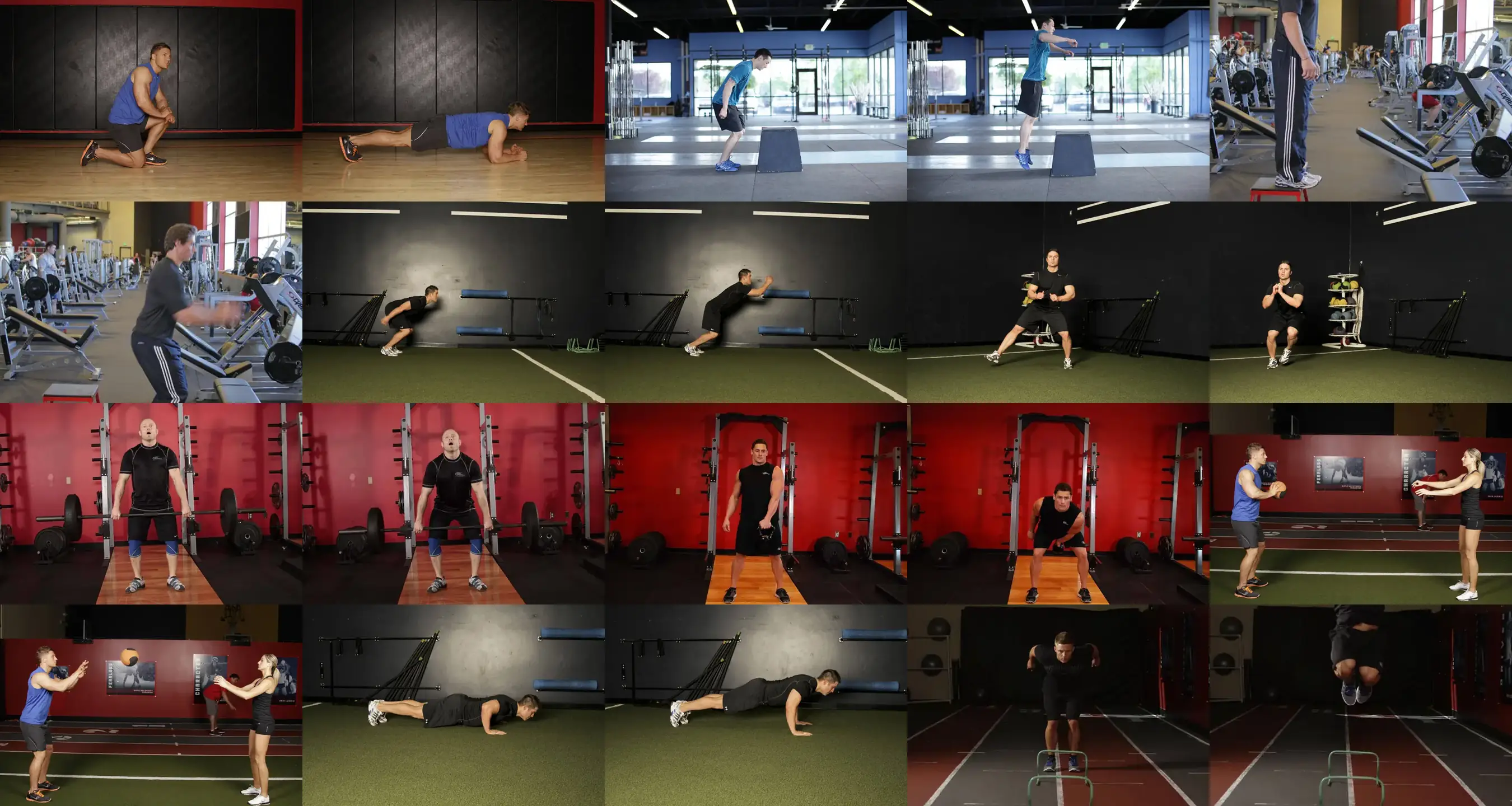
Hurdle Hops
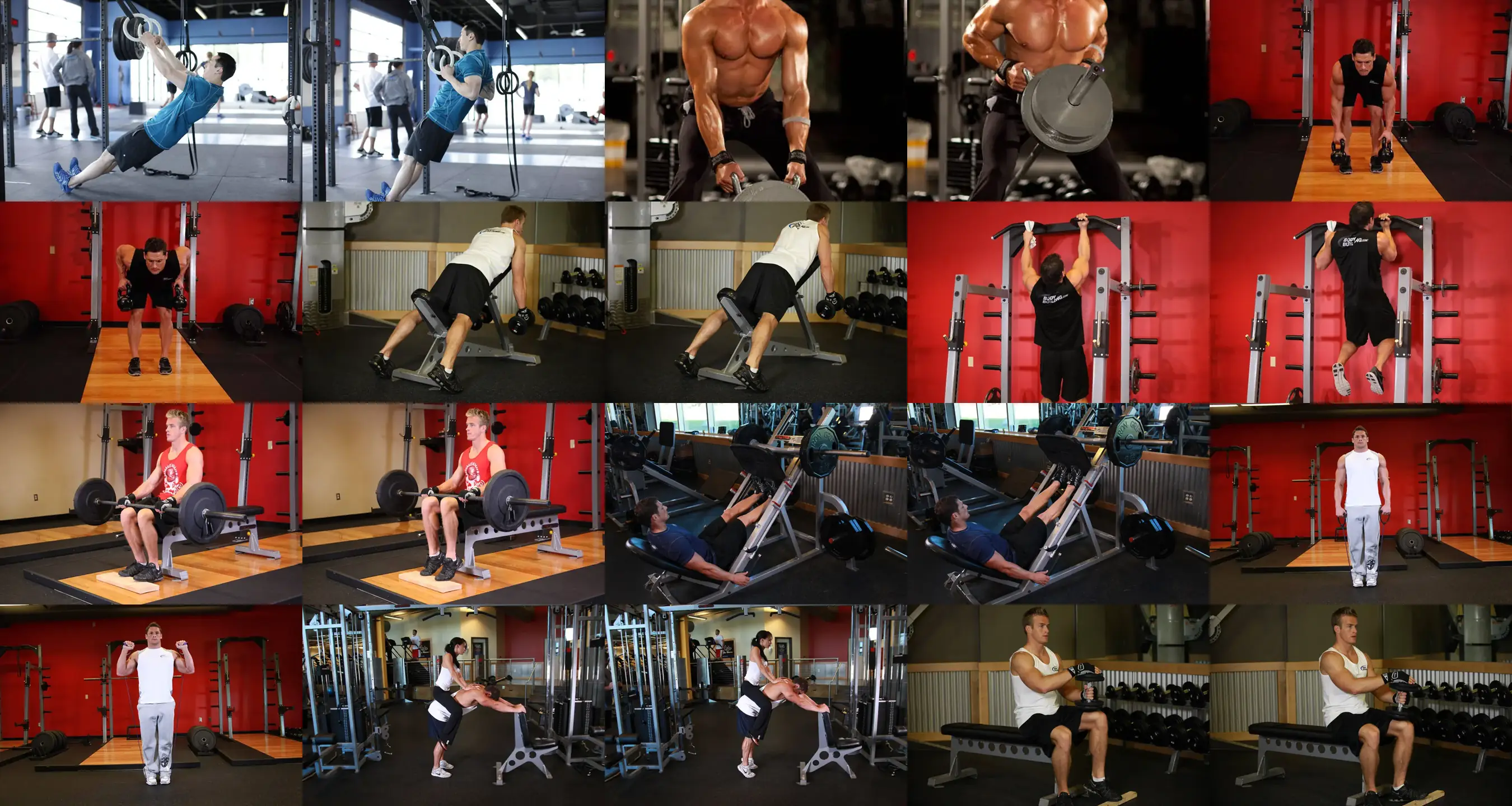
Barbell Seated Calf Raise
Leg Press Calf Press
Banded Calf Raise
Seated Single-Leg Dumbbell Calf Raise
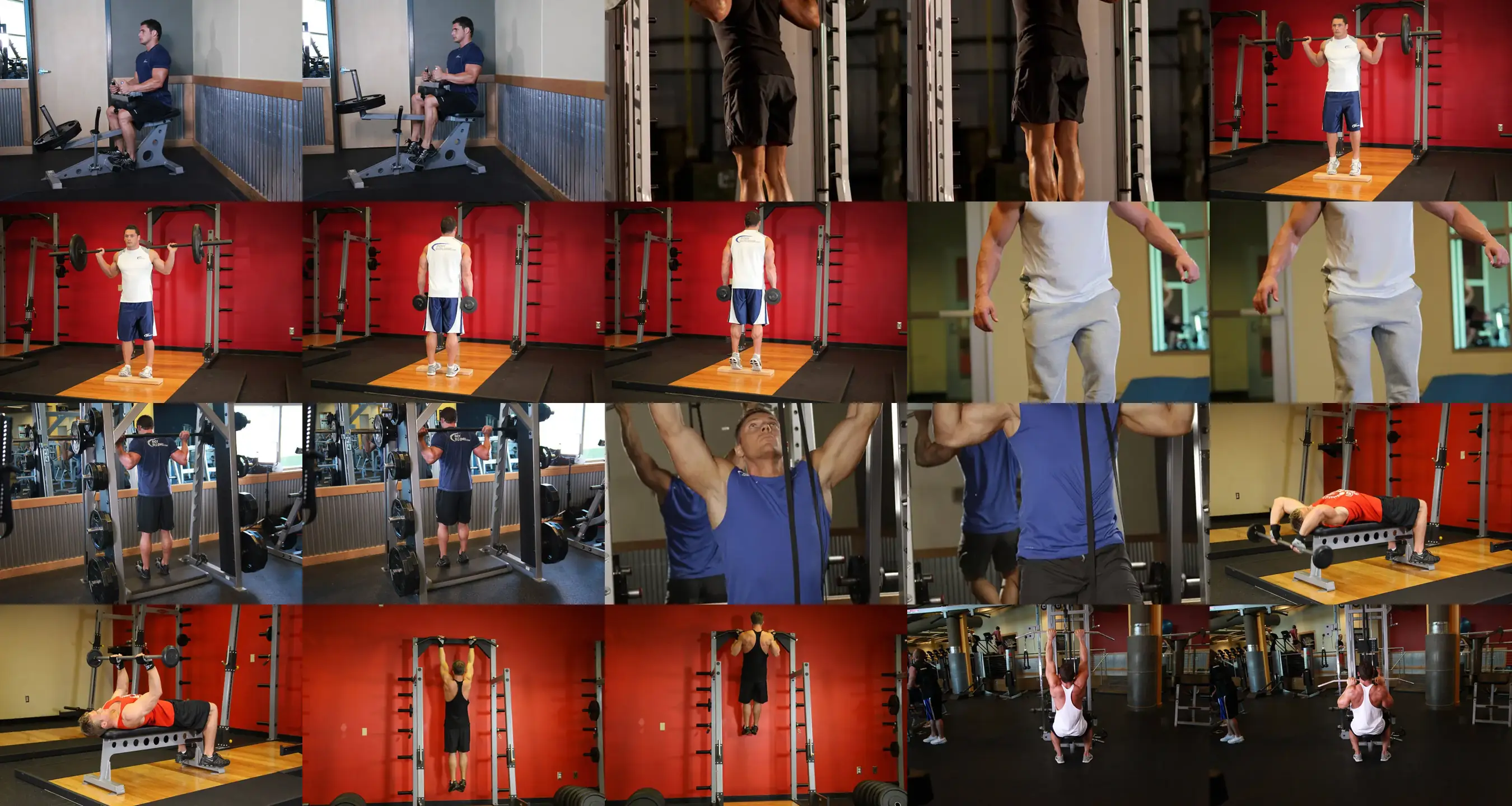
Seated Calf Raise Machine
Smith Machine Calf Raise