Setup and loading
On the machine, set the pad over your lower back or hips, rest your forearms on the support, and place the balls of your feet on the step with heels free. Choose a weight for 10 to 20 full-range reps with a pause in the stretch.
How to do the donkey calf raise step by step
- Step into the machine with the balls of your feet on the step, the pad over your hips, and forearms on the support, torso nearly horizontal.
- Keep your knees nearly straight and your spine neutral with your abs braced.
- Lower your heels slowly as far as possible until you feel an intense calf stretch.
- Hold the stretch for one second, then exhale and rise onto your toes as high as you can.
- Squeeze your calves for one to two seconds at the top.
- Inhale and lower over two to three seconds back into the full stretch.
Form cues
- Knees nearly straight
- Deep stretch at the bottom
- Rise high over your big toe
- Flat back, torso bent forward
Common mistakes
- Bending your knees to help: the soleus takes over; keep them nearly locked.
- Bouncing in the stretch: it loads the Achilles tendon; pause a second at the bottom.
- Rounding your lower back: the pad sits poorly; brace your abs and keep your back flat.
- Partial reps: you lose the stretch advantage; use your full ankle range.
How to make it easier or harder
To make it easier, do it unloaded with your hands on a bench and toes on a step. To progress, add weight with a dip belt, hold longer pauses at the bottom, or work one leg at a time.
Sets and reps for your goal
Hypertrophy
3 x 10-15 · rest 60 s3-4 sets of 6-12 reps (up to 15-20 on isolation exercises) at 65-80% of your max. Rest 1 to 2 minutes.
Get close to failure (0-3 reps in reserve) and control the lowering for 2-3 seconds. Accumulate 10-20 sets per muscle per week.
A guide for healthy adults. Adjust the load to your level and see a professional if you have an injury.
Check your form
Film yourself from the side or ask someone to watch, then tick what you get right.
Frequently asked questions
Why are donkey calf raises so effective?
Bending at the hips puts the gastrocnemius in a highly stretched position, which favors muscle growth. They also avoid loading your spine through your shoulders like a standing barbell raise does.
How can I do donkey calf raises without a machine?
Rest your hands on a high bench or bar with the balls of your feet on a step. Add load with a dip belt hanging from your hips, a weighted backpack, or, old-school style, a training partner sitting on your hips.
Sports it suits
Variations and similar exercises
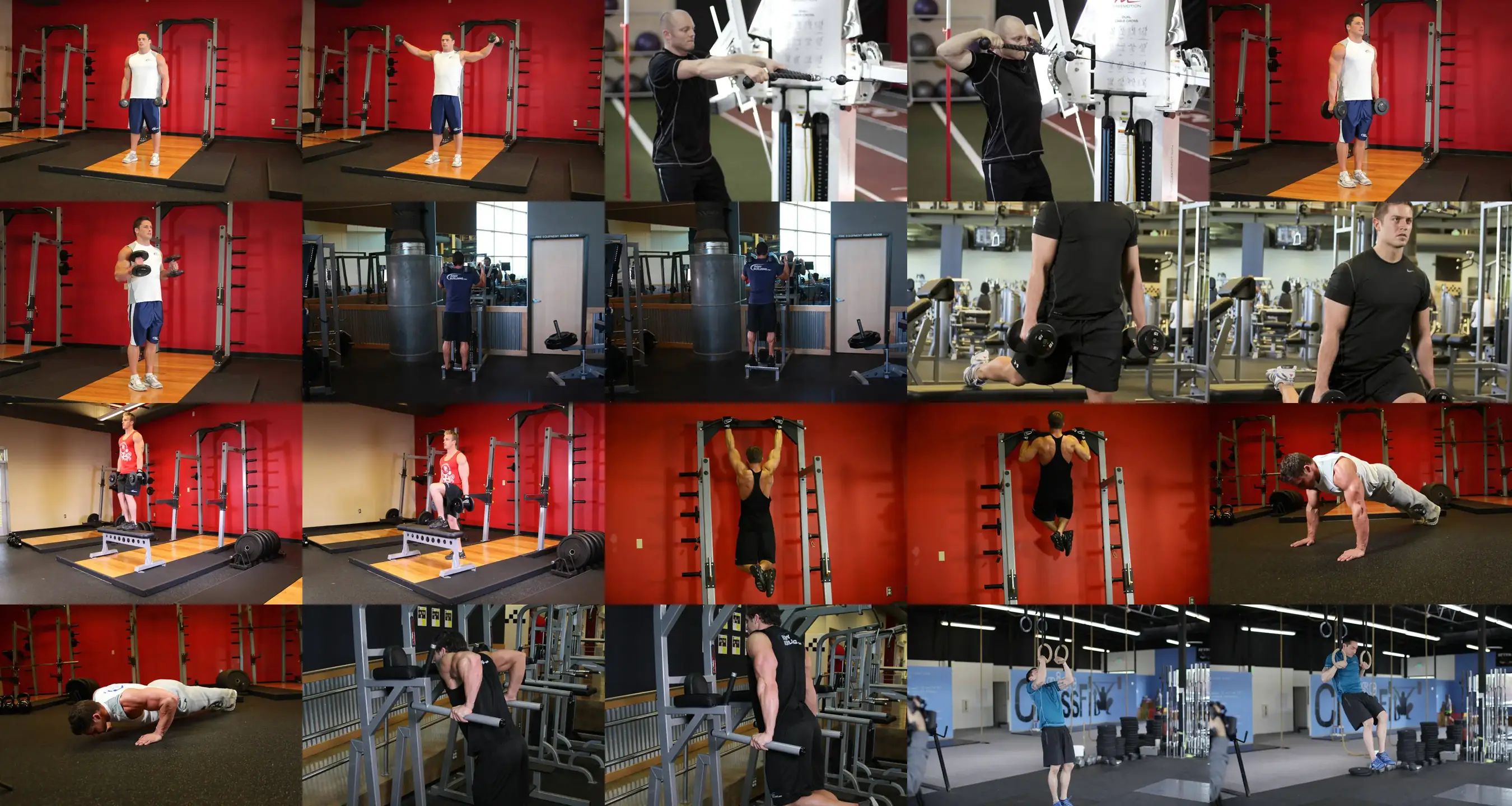
Standing Calf Raise
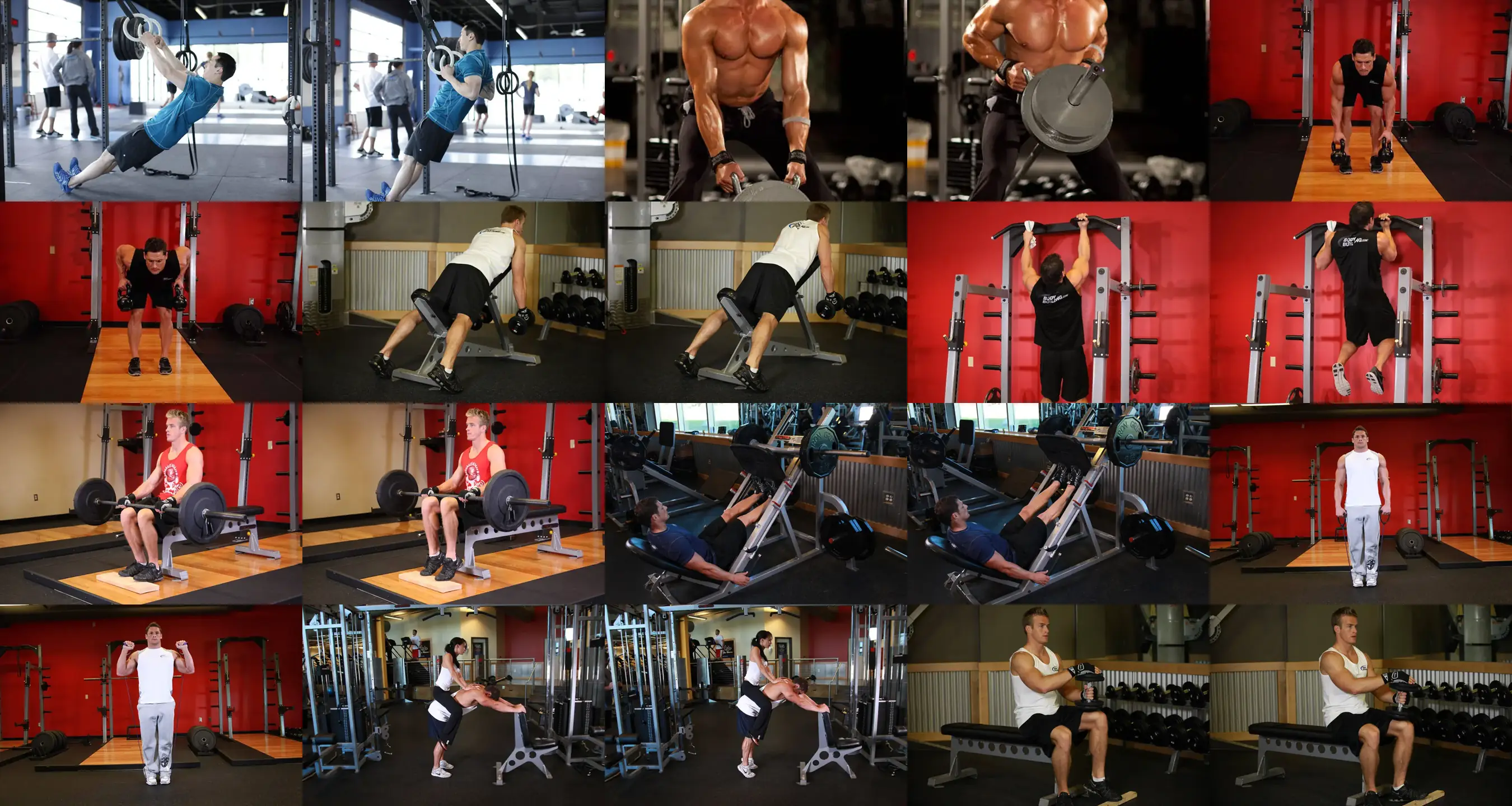
Barbell Seated Calf Raise
Leg Press Calf Press
Banded Calf Raise
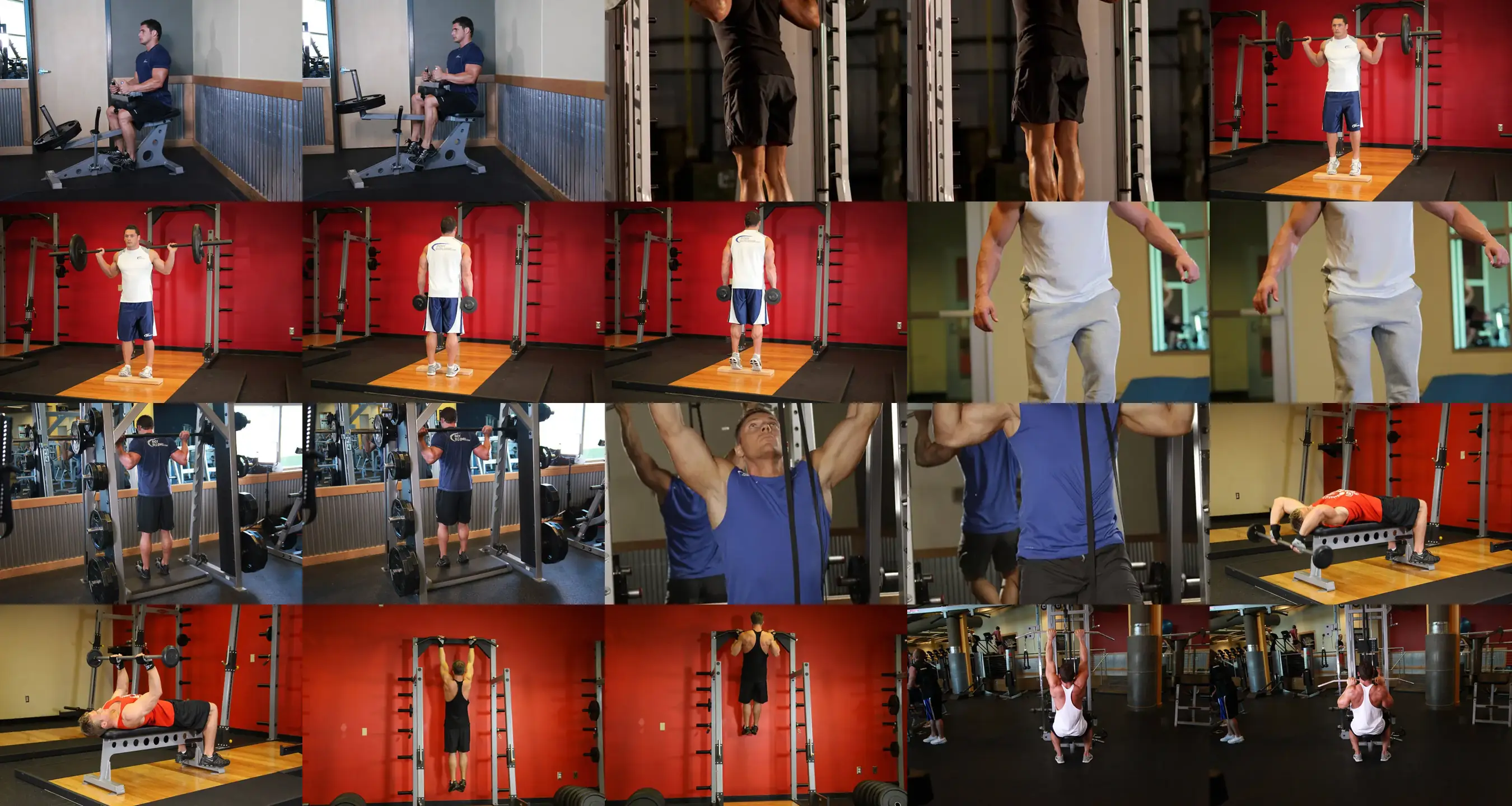
Standing Dumbbell Calf Raise
Seated Single-Leg Dumbbell Calf Raise
Seated Calf Raise Machine