Setup and loading
Hang from a bar with an overhand, shoulder width grip and active shoulders. Adjust difficulty with duration, speed and knee height; start with sets of 15 to 20 seconds.
How to do the hanging wind sprints step by step
- Hang from the bar with an overhand, shoulder width grip and straight arms.
- Engage your shoulders by pulling them down, brace your abs and settle into a still hang.
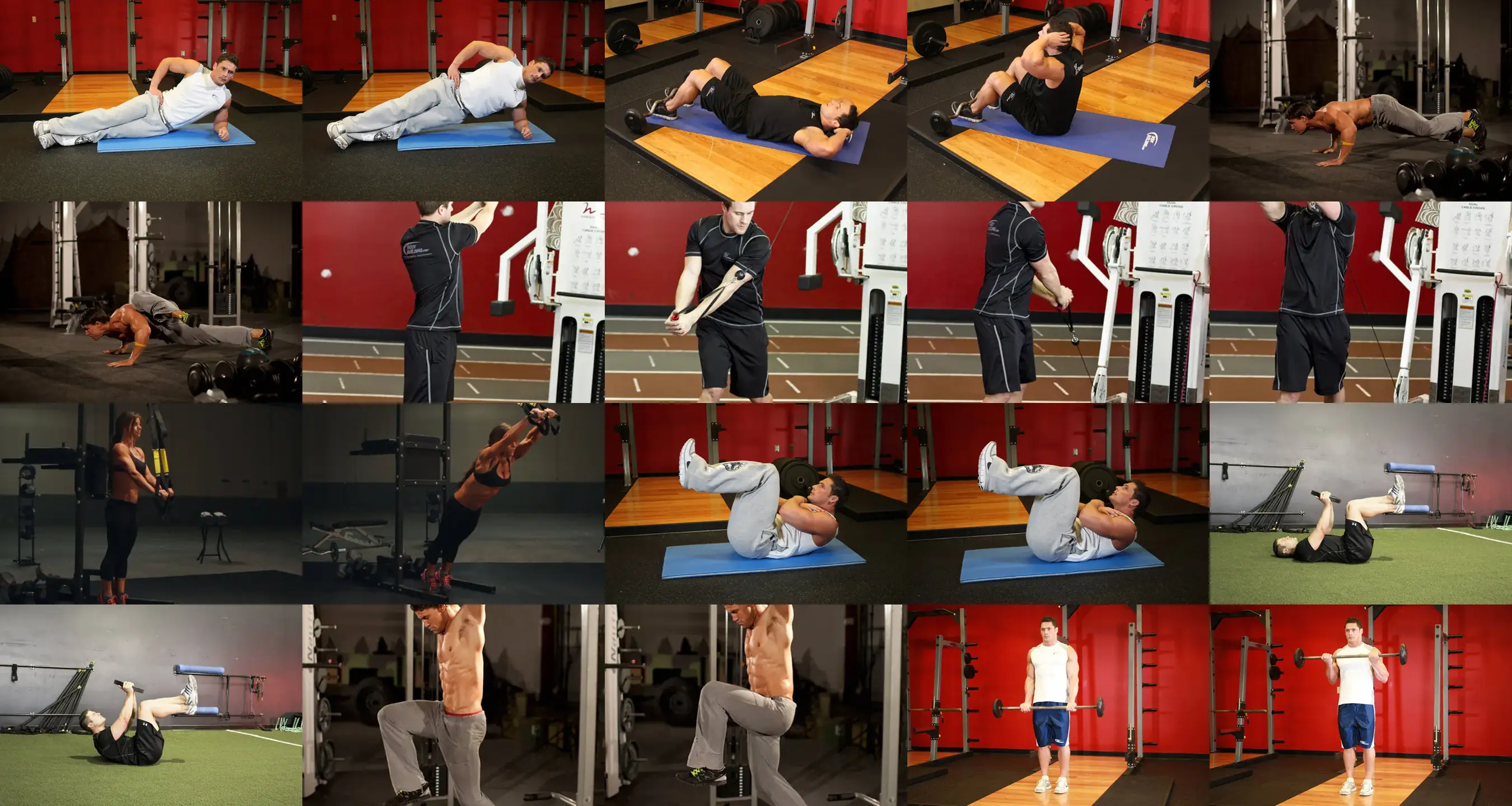
- Drive your right knee toward your chest until your thigh passes horizontal, exhaling.
- Lower it under control as your left knee rises, alternating like a sprint.
- Keep a fast rhythm without swinging your torso, breathing continuously.
- Finish the set time, lower your legs and release the bar under control.
Form cues
- Active shoulders, away from ears
- Still torso, only legs move
- Thighs above horizontal
- Fast rhythm, steady breathing
Common mistakes
- Swinging your whole body: loses control and grip; brace your abs and slow down.
- Knees too low: reduces ab work; aim to pass horizontal.
- Loose shoulders: stresses the joint; press the bar down with your lats.
- Holding your breath: you tire faster; breathe every couple of knee drives.
How to make it easier or harder
If your grip gives out before your abs, start with the same movement in a captain's chair or floor mountain climbers. To progress, extend the duration, alternate with double knee raises between sets or move to hanging straight leg raises.
Sets and reps for your goal
Hypertrophy
3-4 x 8-12 · rest 60-90 s3-4 sets of 6-12 reps (up to 15-20 on isolation exercises) at 65-80% of your max. Rest 1 to 2 minutes.
Get close to failure (0-3 reps in reserve) and control the lowering for 2-3 seconds. Accumulate 10-20 sets per muscle per week.
Max Strength
4-5 x 3-6 · rest 2-3 min3-6 sets of 1-6 reps at 80-90% of your max (1RM). Rest 2 to 5 minutes.
Leave 1-3 reps in reserve. If your technique breaks down, lower the weight: strength is built with good reps.
Endurance
2-4 x 15-25 or 30-60 s2-4 sets of 15-30 reps or 30-60 seconds at 40-60% of your max. Rest 30 to 60 seconds.
Steady pace and clean technique to the end. Circuits help you build volume with little rest.
A guide for healthy adults. Adjust the load to your level and see a professional if you have an injury.
Check your form
Film yourself from the side or ask someone to watch, then tick what you get right.
Frequently asked questions
What do hanging wind sprints work?
They mainly train your abs and hip flexors, plus grip and shoulder stability. The fast pace also adds an endurance element and raises your heart rate.
What if my grip gives out first?
That is common at the start. Use lifting straps, do shorter sets or practice in a captain's chair supported on your forearms. Adding a few seconds of dead hangs at the end of workouts also builds grip.
Sports it suits
Gear for this exercise
- Exercise matThick (8-10 mm) for floor work.
- Pull-up barWall-mounted beats doorway if you plan to add weight.
As an Amazon Associate, Muscle Atlas earns from qualifying purchases.