Setup and loading
Use a light to moderate kettlebell you can switch hands with easily, held by the handle. Choose a weight that allows 8 to 12 lunges per leg without losing balance or hunching over.
How to do the lunge pass-through step by step
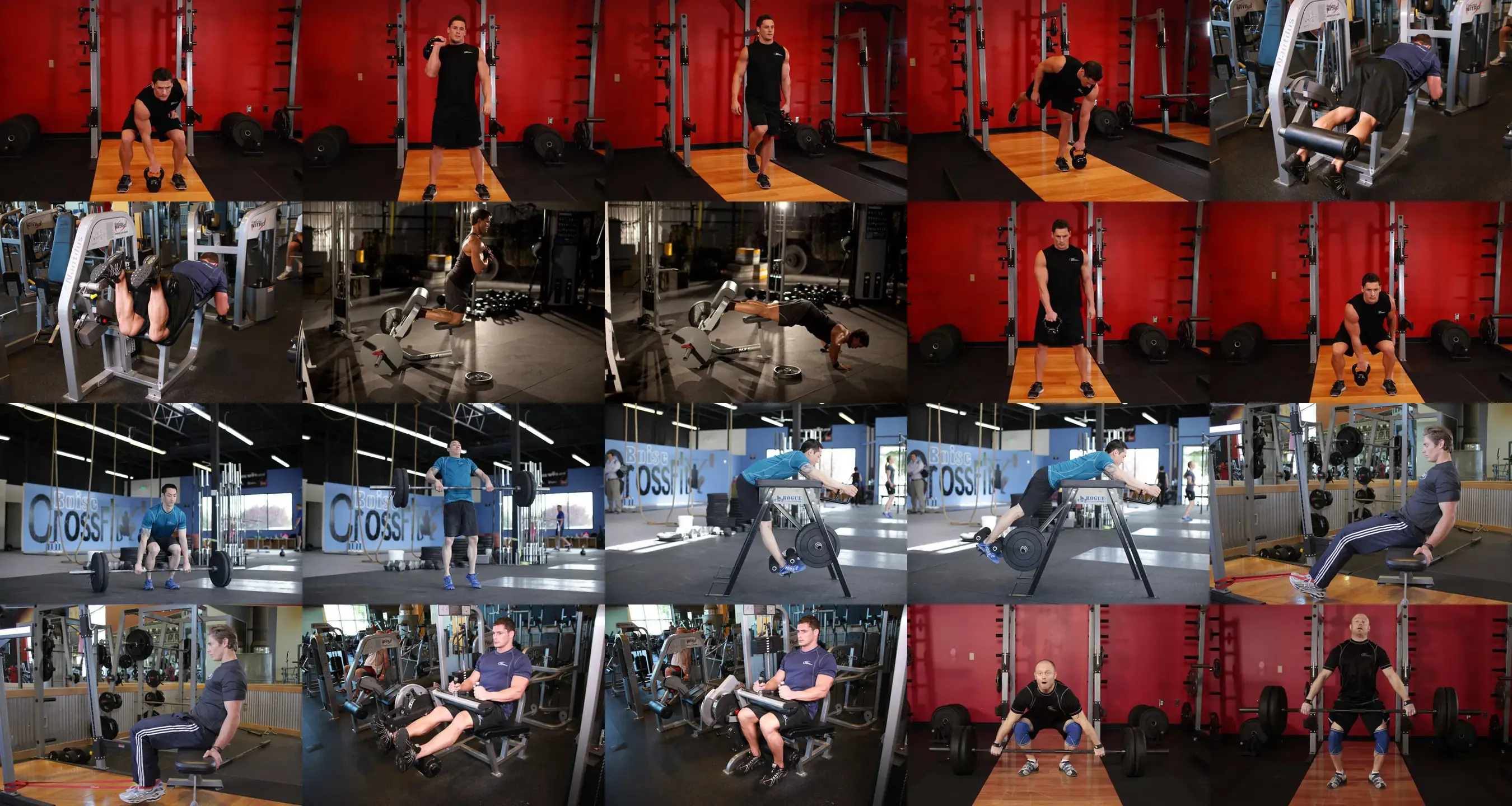
- Stand with feet hip width apart and the kettlebell in your right hand, arm hanging straight by your side.
- Inhale and step forward with your left leg, lowering until your back knee is close to the floor.
- Keeping your torso upright, pass the kettlebell under your left thigh from your right hand to your left hand.
- Exhale and push through your front heel to return to standing, now holding the bell in your left hand.
- Lunge forward with your right leg and pass the kettlebell under that thigh back to your right hand.
- Keep alternating at a steady pace, with your front knee tracking over your foot.
Form cues
- Stay tall as you pass the bell
- Front knee over your foot
- Pass it at the bottom
- Drive through your heel to return
Common mistakes
- Bending over to pass the bell: it loads your lower back; sink lower with your legs instead.
- Step too short: your knee shoots forward and complains; lengthen the stride to form two right angles.
- Knee caving inward: it stresses the joint; push the knee out in line with your foot.
- Kettlebell too heavy: balance and form fall apart; use a bell you can pass without thinking.
How to make it easier or harder
To make it easier, do bodyweight split squats or pass the kettlebell with your back knee resting on the floor. To progress, use a heavier bell, turn it into a walking lunge, or pair the pass with a reverse lunge.
Sets and reps for your goal
Hypertrophy
3-4 x 8-12 · rest 60-90 s3-4 sets of 6-12 reps (up to 15-20 on isolation exercises) at 65-80% of your max. Rest 1 to 2 minutes.
Get close to failure (0-3 reps in reserve) and control the lowering for 2-3 seconds. Accumulate 10-20 sets per muscle per week.
Max Strength
4-5 x 3-6 · rest 2-3 min3-6 sets of 1-6 reps at 80-90% of your max (1RM). Rest 2 to 5 minutes.
Leave 1-3 reps in reserve. If your technique breaks down, lower the weight: strength is built with good reps.
A guide for healthy adults. Adjust the load to your level and see a professional if you have an injury.
Check your form
Film yourself from the side or ask someone to watch, then tick what you get right.
Frequently asked questions
What muscles does the lunge pass-through work?
Mainly the quads and glutes, with support from the hamstrings and calves. The pass adds core, oblique, and grip work and improves coordination between your arms and legs.
Can I do it with a dumbbell?
Yes, though a kettlebell is easier because the handle makes switching hands simple. With a dumbbell, grip it in the middle and use a slightly lighter weight until the pass feels smooth.
Sports it suits
Gear for this exercise
- KettlebellStart with 12-16 kg (26-35 lb) for women or 16-24 kg (35-53 lb) for men.
As an Amazon Associate, Muscle Atlas earns from qualifying purchases.