Setup and loading
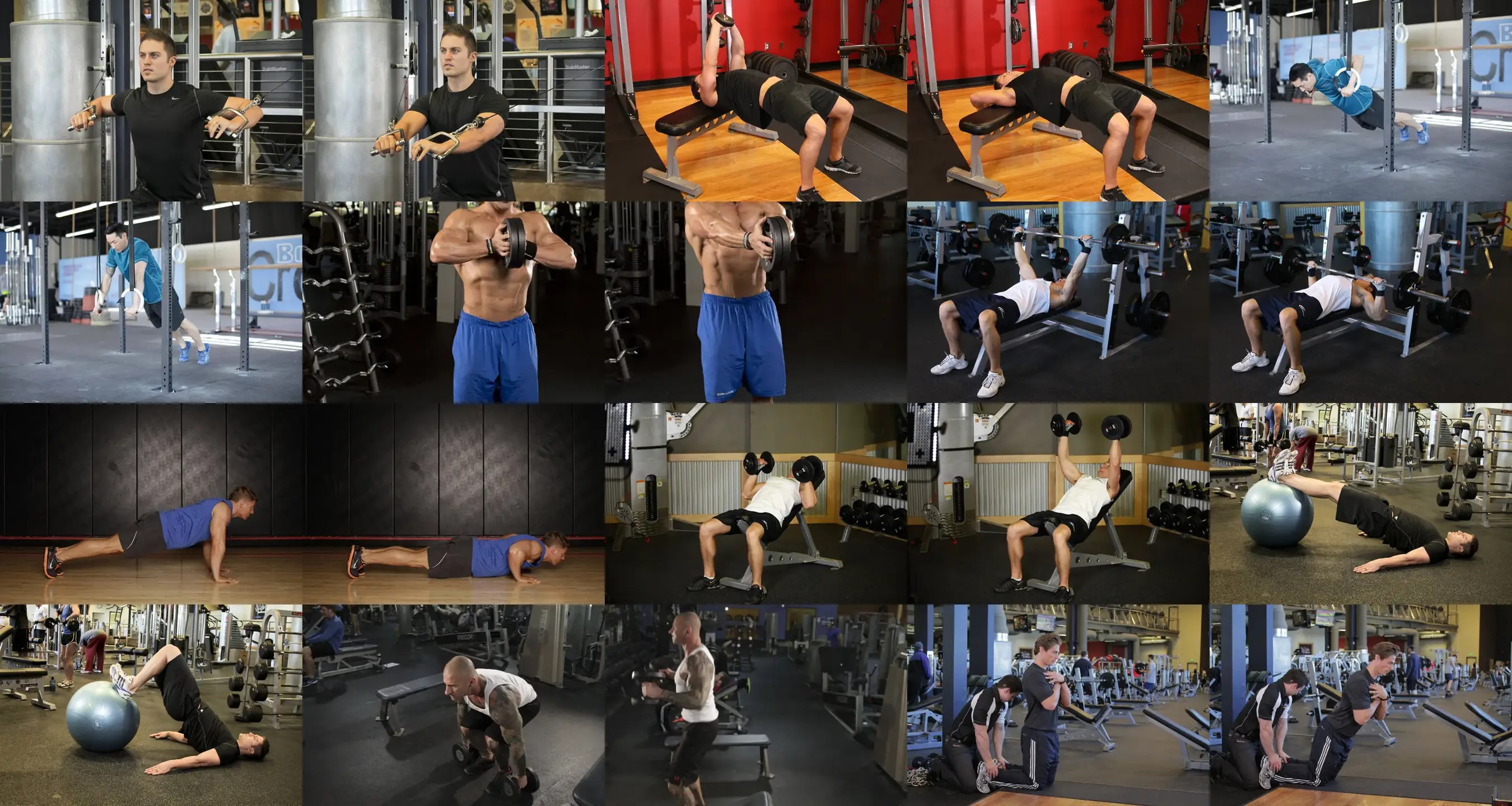
Use a properly sized 55 to 65 cm ball under your heels and spread your arms on the floor for stability. To make it harder, cross your arms over your chest or switch to one leg; aim for 10 to 15 controlled reps.
How to do the stability ball leg curl step by step
- Lie on your back with your heels on the ball, legs straight, and arms spread on the floor with palms down.
- Squeeze your glutes and abs and lift your hips until your body forms a straight line from shoulders to heels.
- Breathe out and bend your knees to roll the ball toward your glutes, keeping your hips high.
- At the top, your knees, hips and shoulders should line up with the soles of your feet on the ball.
- Breathe in and slowly straighten your legs, rolling the ball away without dropping your hips.
- At the end of the set, lower your hips to the floor under control before releasing the ball.
Form cues
- Hips stay high the entire time
- Dig your heels into the ball as you curl
- Move slowly on the way in and out
- Arms spread wide so the ball stays put
Common mistakes
- Dropping your hips as you curl: your glutes stop working; keep driving your hips up.
- Arching your low back to get higher: loads your spine; brace your abs and glutes.
- Shooting your legs straight: you lose the lowering work; roll out over two to three seconds.
- Ball too large or underinflated: makes it unstable; pick a firm ball sized for your height.
How to make it easier or harder
As a regression, do only a glute bridge with your feet on the ball, or curl with your hips on the floor. To progress, cross your arms over your chest, do the single-leg version, or move to an assisted Nordic curl.
Sets and reps for your goal
Hypertrophy
3 x 10-15 · rest 60 s3-4 sets of 6-12 reps (up to 15-20 on isolation exercises) at 65-80% of your max. Rest 1 to 2 minutes.
Get close to failure (0-3 reps in reserve) and control the lowering for 2-3 seconds. Accumulate 10-20 sets per muscle per week.
A guide for healthy adults. Adjust the load to your level and see a professional if you have an injury.
Check your form
Film yourself from the side or ask someone to watch, then tick what you get right.
Frequently asked questions
Are stability ball leg curls good for hamstrings?
Yes. They are one of the best no-machine hamstring exercises because they combine knee flexion with your hips lifted. That trains your hamstrings in both of their roles at once, along with your glutes.
What size stability ball should I use for leg curls?
A 55 cm ball usually fits people up to about 5 feet 9 inches, and a 65 cm ball fits taller people. Keep it firmly inflated so it does not sink under your heels or roll sideways.
Sports it suits
Gear for this exercise
- Stability ballPick the diameter for your height (55-65 cm for most people).
As an Amazon Associate, Muscle Atlas earns from qualifying purchases.