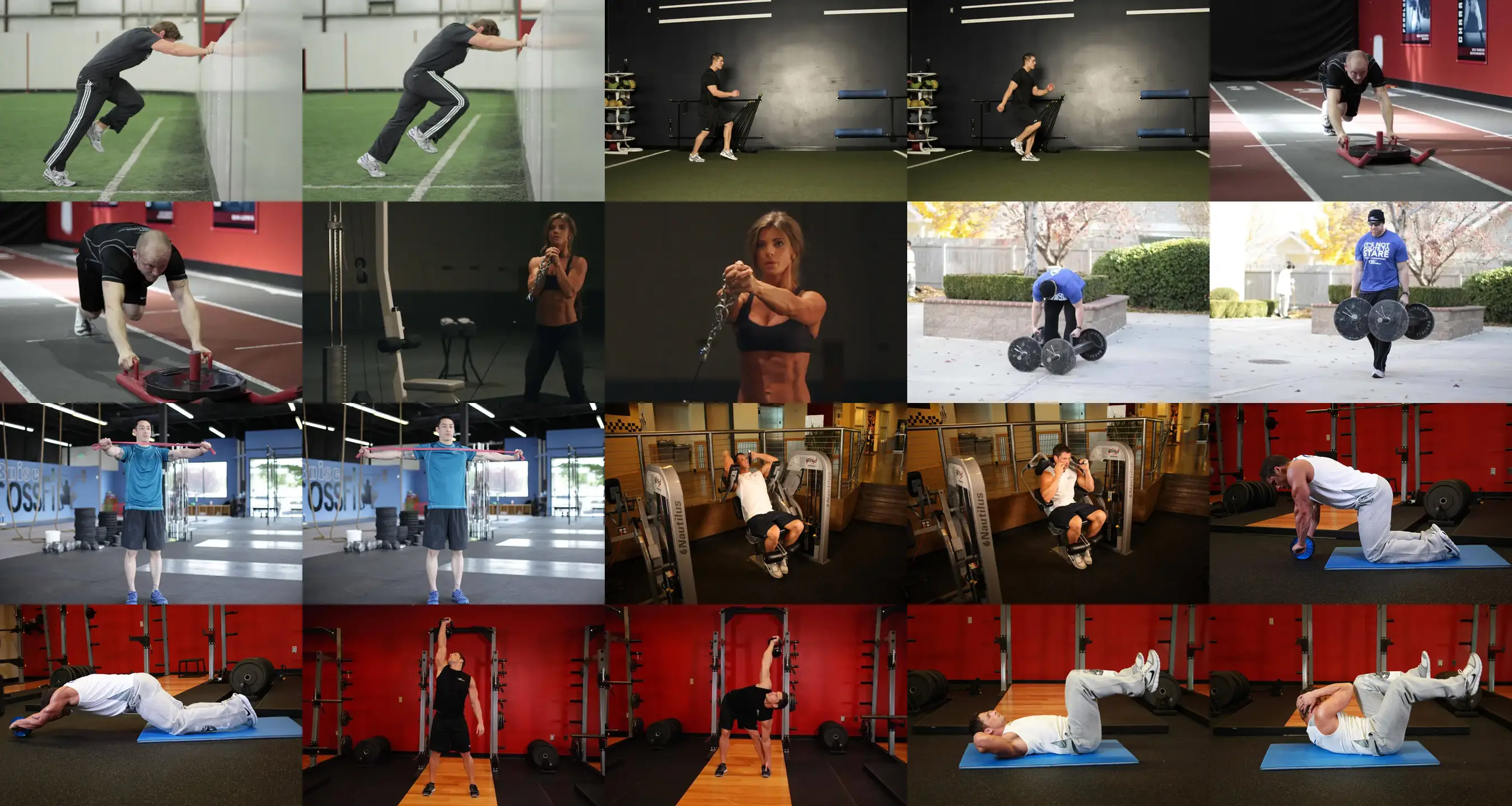
Setup and loading
Choose a stable bench or step 8 to 16 inches high that will not slide. Adjust difficulty with height and switch speed: build a clean rhythm first, then speed up.
How to do the bench sprint step by step
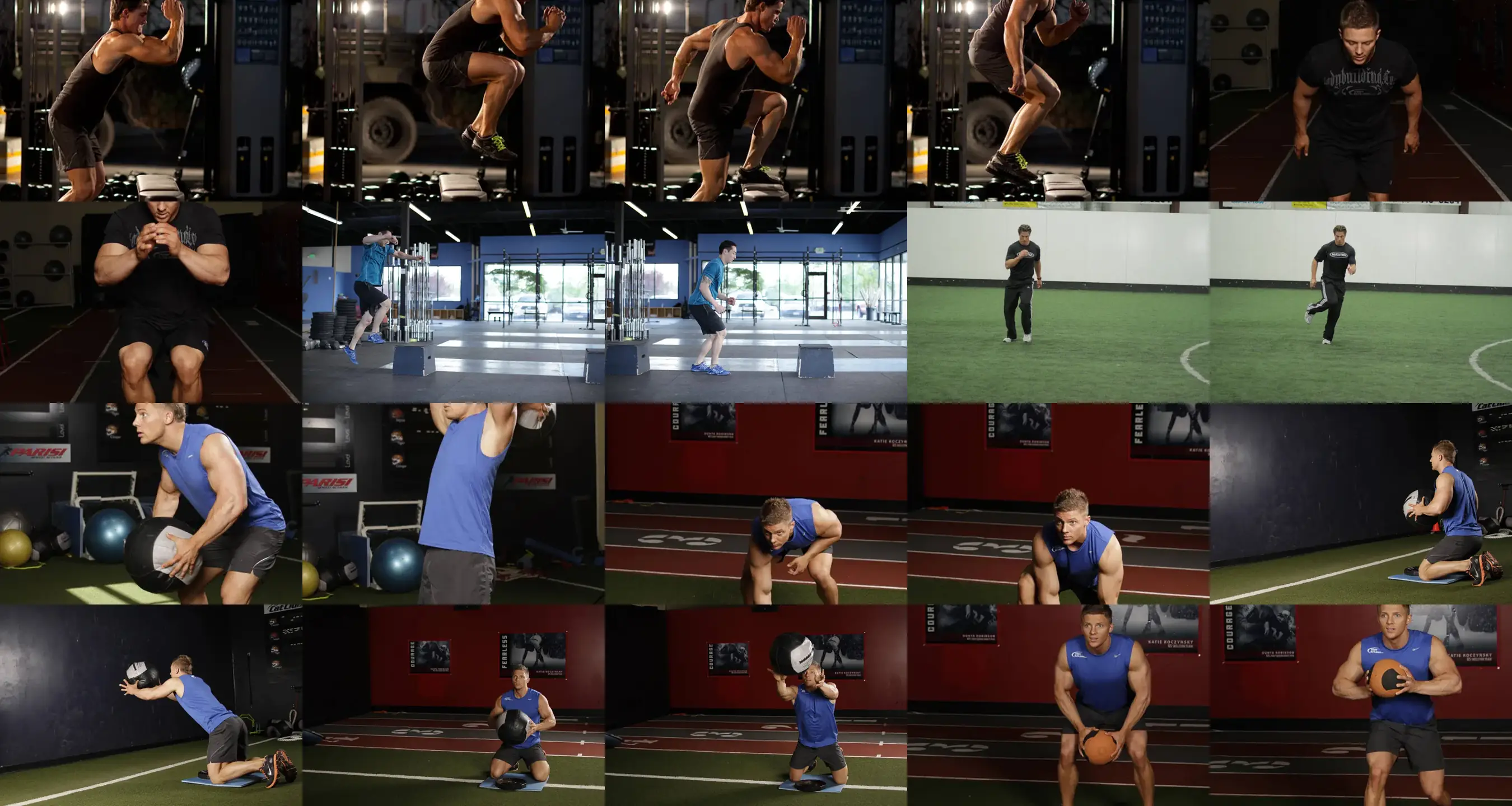
- Face the bench and place one whole foot on top, heel near the edge, with the other foot on the floor.
- Set a sprint posture: slight forward lean, elbows at 90 degrees, and the arm opposite the top leg forward.
- Push through the foot on the bench to extend your hip and switch feet in midair with a quick scissor action.
- Land with the other foot on the bench and the first on the floor, touching down softly on the ball of the foot.
- Alternate as fast as you can with your arms synced like a sprint and short rhythmic breaths.
- Work in 10 to 20 second intervals and rest until you can repeat at the same speed.
Form cues
- Sprint arms, elbows at 90 degrees
- Whole foot on the bench
- Hips high, do not sit back
- Eyes forward, not on your feet
Common mistakes
- Watching your feet: your torso hunches and rhythm suffers; fix your eyes straight ahead.
- Only your toes on the bench: your foot can slip; place the whole sole on top.
- Dead arms: coordination falls apart; drive them like a sprint, opposite your legs.
- Speeding up before the switch is clean: accuracy drops; rhythm first, then speed.
How to make it easier or harder
As a regression, do foot taps on a low step without leaving the ground, or alternating walking step ups. To progress, raise the height slightly, lengthen the interval, or follow the drill with a real 10 yard sprint.
Sets and reps for your goal
Speed
4-6 x 10-30 m or 5-10 s · full rest4-8 reps of 10-40 meters (or 3-6 seconds). Full rest: 1 minute for every 10 meters.
Always at 95-100%. If your time gets more than 3-5% slower or your technique falls apart, stop: running tired trains endurance, not speed.
Plyometrics
3-5 x 3-6 jumps · rest 1-2 min3-6 sets of 3-8 jumps. In total, 60-100 contacts per session (40-60 if you're a beginner). Rest 1 to 2 minutes between sets.
Short, quiet ground contact. If the jump loses height or your foot sticks to the ground, stop: the set is no longer training reactivity. Two sessions per week, 48 h apart.
A guide for healthy adults. Adjust the load to your level and see a professional if you have an injury.
Check your form
Film yourself from the side or ask someone to watch, then tick what you get right.
Frequently asked questions
What is the bench sprint good for?
It trains leg speed and running coordination in a small space. It is useful for athletes who need quick feet and as a warm up before speed or jump sessions.
What bench height is best for bench sprints?
A step or bench between 8 and 16 inches works well. Higher turns it into a slower strength drill, while lower allows more speed, which is the main goal here.
Sports it suits
Gear for this exercise
- Plyo boxFoam boxes forgive missed jumps.
As an Amazon Associate, Muscle Atlas earns from qualifying purchases.