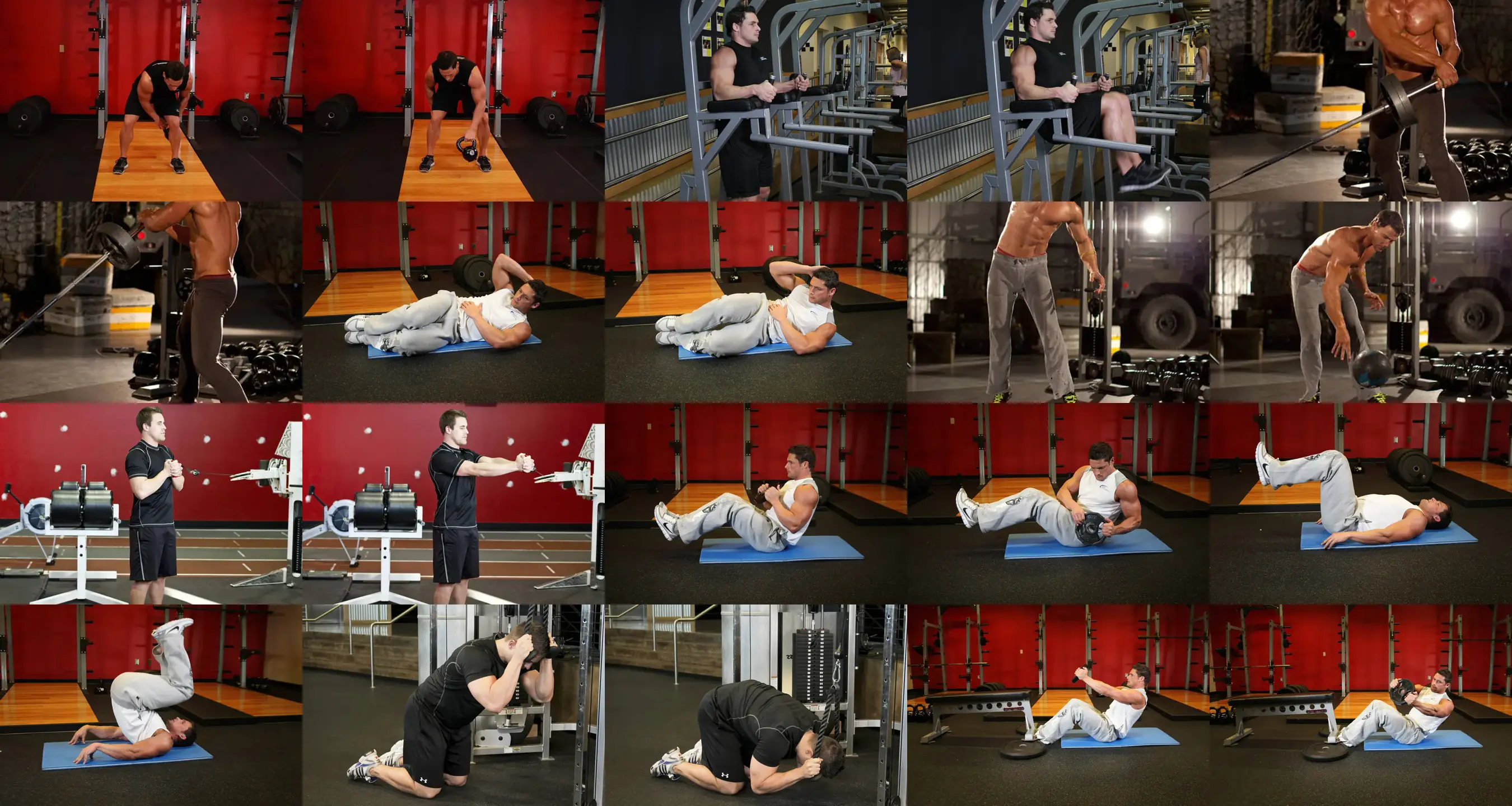
Setup and loading
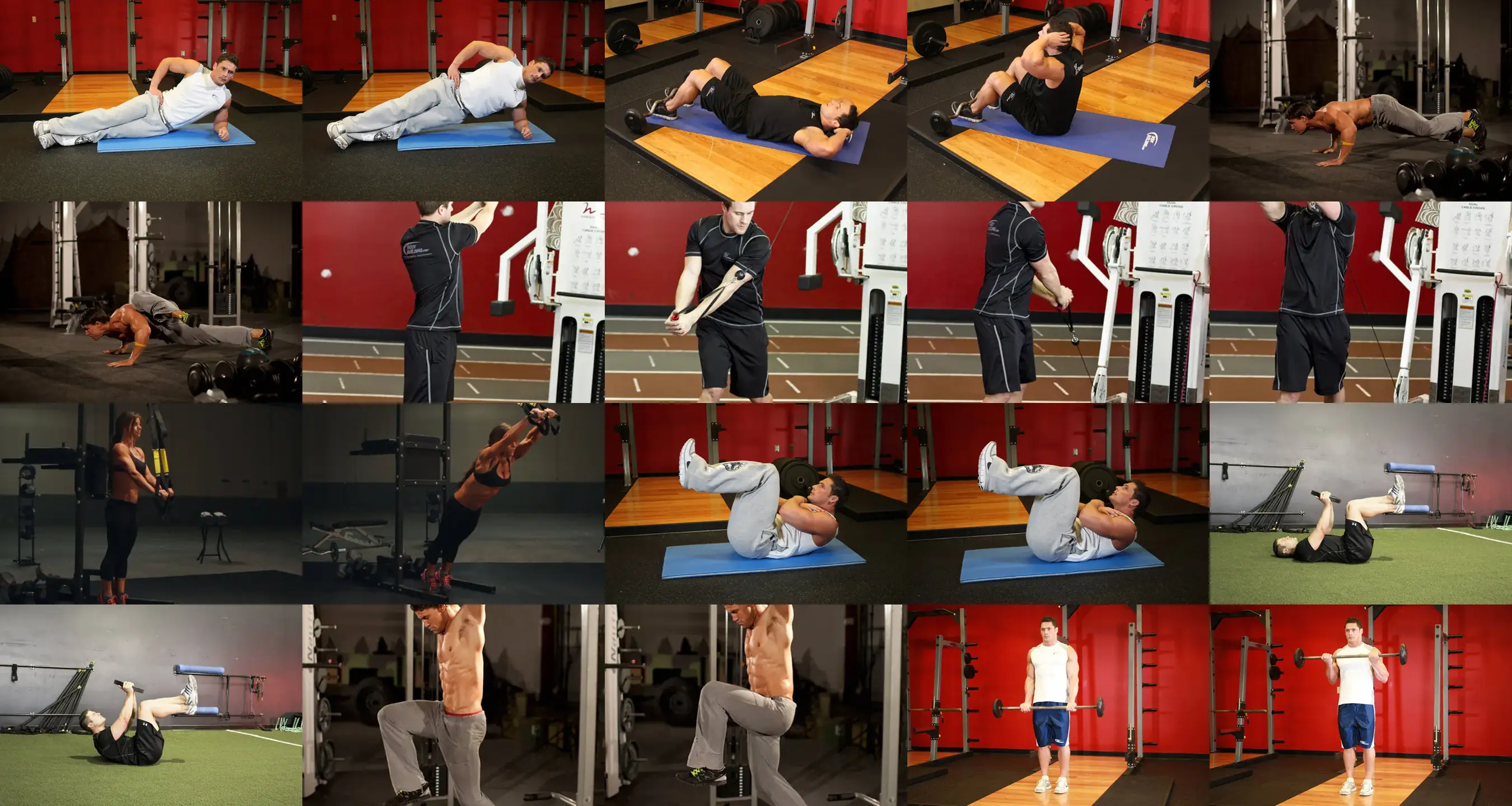
Set the pulley at chest height and stand sideways to it, one or two steps away, with feet shoulder width apart. Pick a light weight that lets your hips and knees stay still during the turn; standing farther away also adds resistance.
How to do the pallof press with rotation step by step
- Stand sideways to the stack, grab the handle with both hands and bring it to the center of your chest, knees soft.
- Squeeze your glutes and abs, breathe in and press your arms straight out without letting the cable turn you.
- With arms extended, exhale and rotate your torso away from the stack about 30 to 45 degrees.
- Hold the rotated position for a second with your hips facing forward.
- Breathe in as you return slowly to center and bring your hands back to your chest.
- Finish your reps on one side, then switch sides.
Form cues
- Hips locked, rotate only your torso
- Long arms during the turn
- Resist the cable at center
- Slow, controlled return
Common mistakes
- Turning your hips with your torso: reduces oblique work; squeeze glutes and lock the pelvis.
- Bending your elbows during the turn: shortens the lever; keep arms straight.
- Letting the cable yank you back: loses the anti rotation; brake the return.
- Too much weight: causes leaning; lighten the load until the turn is clean.
How to make it easier or harder
If it is still tough, go back to the standard Pallof press or do it kneeling. To progress, stand a step farther from the stack, use a half kneeling stance to remove leg help or move on to cable wood chops.
Sets and reps for your goal
Core & Stability
3 x 8-15 or 20-45 s3-4 sets of 20-45 seconds or 8-12 slow reps. Rest 45 to 60 seconds.
Neutral spine, tight abs and controlled breathing. Progress in time or leverage before adding weight.
A guide for healthy adults. Adjust the load to your level and see a professional if you have an injury.
Check your form
Film yourself from the side or ask someone to watch, then tick what you get right.
Frequently asked questions
What is the Pallof press with rotation good for?
It teaches your core to resist rotation and to rotate with control, both useful in sports and daily life. It strengthens the obliques and transverse abdominis without repeated spinal flexion.
How is it different from a regular Pallof press?
In a regular Pallof press you only resist rotation with your arms extended. Adding rotation brings in an active, controlled turn, so your obliques also work through movement and against the cable on the way back.