Setup and loading
Set your feet a bit wider than shoulder width with knees bent, leaning forward from the hips. Start with a light kettlebell, around 18 to 26 pounds, and work for time or laps while keeping your back flat.
How to do the kettlebell figure 8 step by step
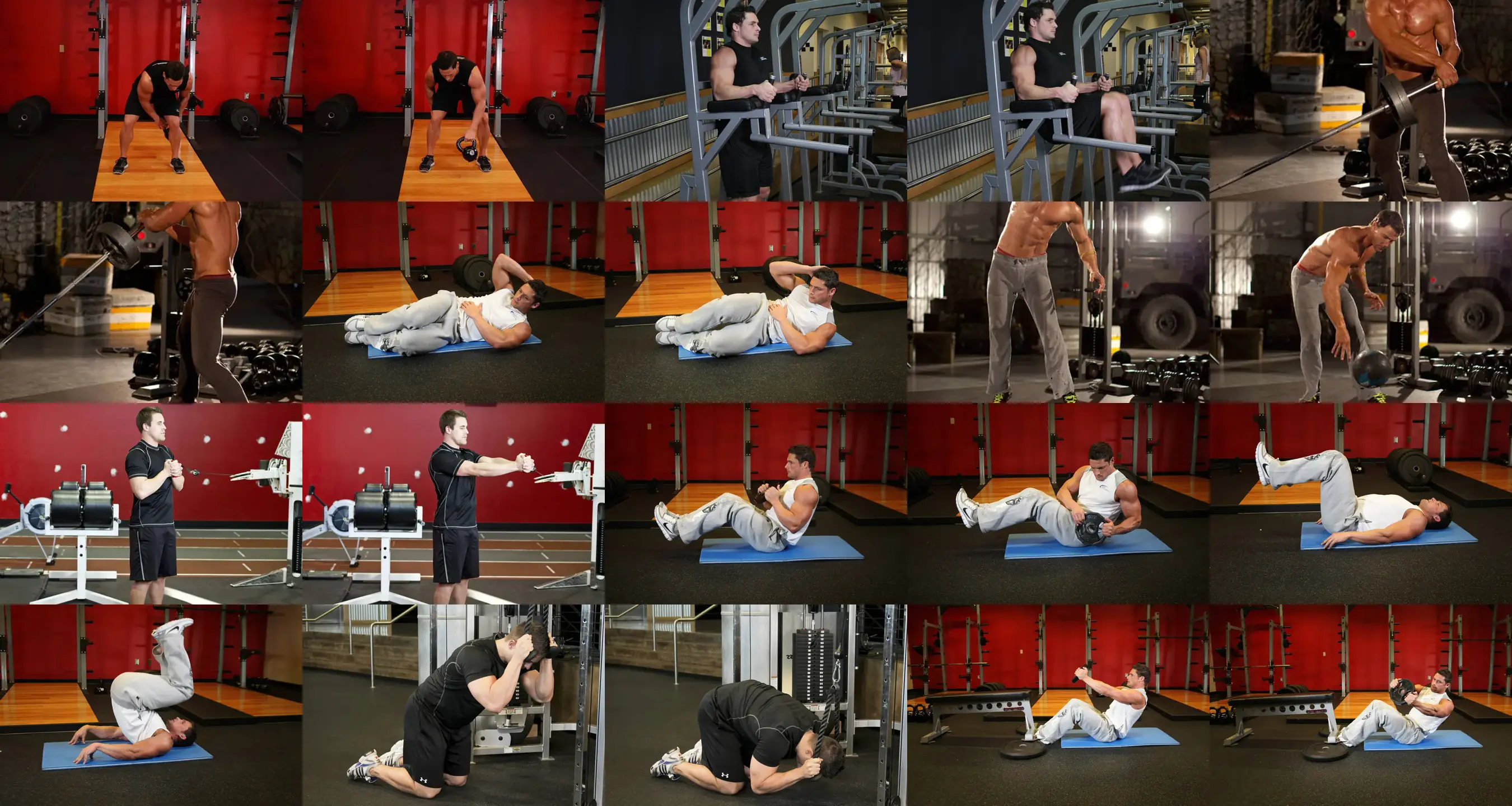
- Stand with feet a bit wider than shoulders, knees bent and torso hinged forward with a neutral back.
- Hold the kettlebell in your right hand in front of your right leg and breathe in.
- Pass it behind your right leg to the middle, between your legs, and hand it to your left hand.
- With your left hand, circle around the outside of your left leg and bring it back to the front.
- Pass it between your legs again to your right hand to complete the eight, breathing rhythmically.
- Keep your hips back and torso steady for every lap, without standing up between passes.
Form cues
- Neutral back, hips pushed back
- Move the bell, not your torso
- Clean handoff between your legs
- Keep breathing steadily
Common mistakes
- Rounding your back: loads the spine; keep your chest open and the hinge set.
- Twisting your torso with the bell: loses the anti rotation effect; keep shoulders square.
- Going too fast: raises the chance of dropping it; prioritize controlled passes.
- Feet too close together: leaves no room for the pass; widen your stance.
How to make it easier or harder
If the coordination is tricky, first practice standing around the body passes and kettlebell deadlifts. To progress, use a heavier bell, add a swing between laps or extend the length of each set.
Sets and reps for your goal
Core & Stability
3 x 8-15 or 20-45 s3-4 sets of 20-45 seconds or 8-12 slow reps. Rest 45 to 60 seconds.
Neutral spine, tight abs and controlled breathing. Progress in time or leverage before adding weight.
A guide for healthy adults. Adjust the load to your level and see a professional if you have an injury.
Check your form
Film yourself from the side or ask someone to watch, then tick what you get right.
Frequently asked questions
What muscles does the kettlebell figure 8 work?
It mainly works the obliques and abs, which resist the bell's rotation, along with the glutes, hamstrings and lower back that hold the hinge. It also builds serious grip strength.
What weight should I use for kettlebell figure 8s?
Start light, around 18 to 26 pounds for most people. Move up only when you can go 30 to 45 seconds straight without rounding your back or twisting your torso.
Sports it suits
Gear for this exercise
- KettlebellStart with 12-16 kg (26-35 lb) for women or 16-24 kg (35-53 lb) for men.
As an Amazon Associate, Muscle Atlas earns from qualifying purchases.