8 weeks · 2 sessions/wk
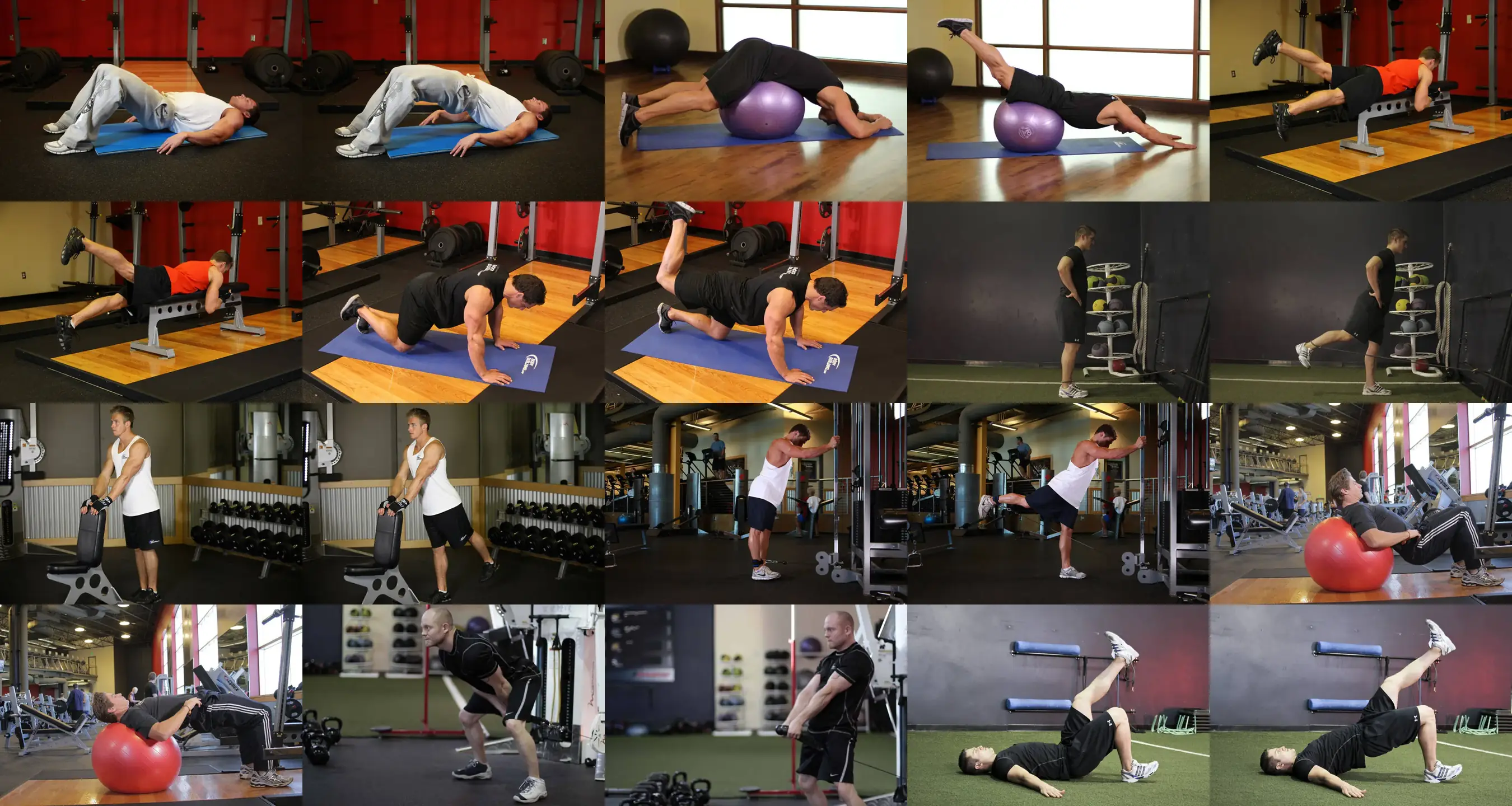
Strength for runners
A more efficient stride, tougher calves and tendons and fewer injuries, without cutting miles.
€19.99See program
Buy · €19.99Free calculator
Enter the distance and your time to see the pace you ran. Or enter the pace you want to hold and we'll give you your finish time and a split for every kilometer. Pace per mile is shown too.
Pace is the time it takes you to cover one kilometer: pace = time ÷ distance. If you run 10 km in 50 minutes, your pace is 5:00 min/km (8:03 min/mile). Speed is the inverse: speed = distance ÷ time, in this case 12 km/h.
| Pace (min/km) | 5K | 10K | Half marathon | Marathon |
|---|---|---|---|---|
| 3:30 | 17:30 | 35:00 | 1:13:50 | 2:27:41 |
| 4:00 | 20:00 | 40:00 | 1:24:23 | 2:48:47 |
| 4:30 | 22:30 | 45:00 | 1:34:56 | 3:09:53 |
| 5:00 | 25:00 | 50:00 | 1:45:29 | 3:30:58 |
| 5:30 | 27:30 | 55:00 | 1:56:02 | 3:52:04 |
| 6:00 | 30:00 | 1:00:00 | 2:06:35 | 4:13:10 |
| 6:30 | 32:30 | 1:05:00 | 2:17:08 | 4:34:16 |
| 7:00 | 35:00 | 1:10:00 | 2:27:41 | 4:55:22 |
Divide your total time by the kilometers you covered. For example, 55 minutes for 10 km is 5:30 min/km, or about 8:51 min/mile.
Faster than 5:00 min/km (about 8:03 min/mile). At 4:55 min/km you would finish in about 49:10.
About 5:41 min/km (9:09 min/mile) on average for the full 42.195 km (26.2 miles).
As an Amazon Associate, Muscle Atlas earns from qualifying purchases.
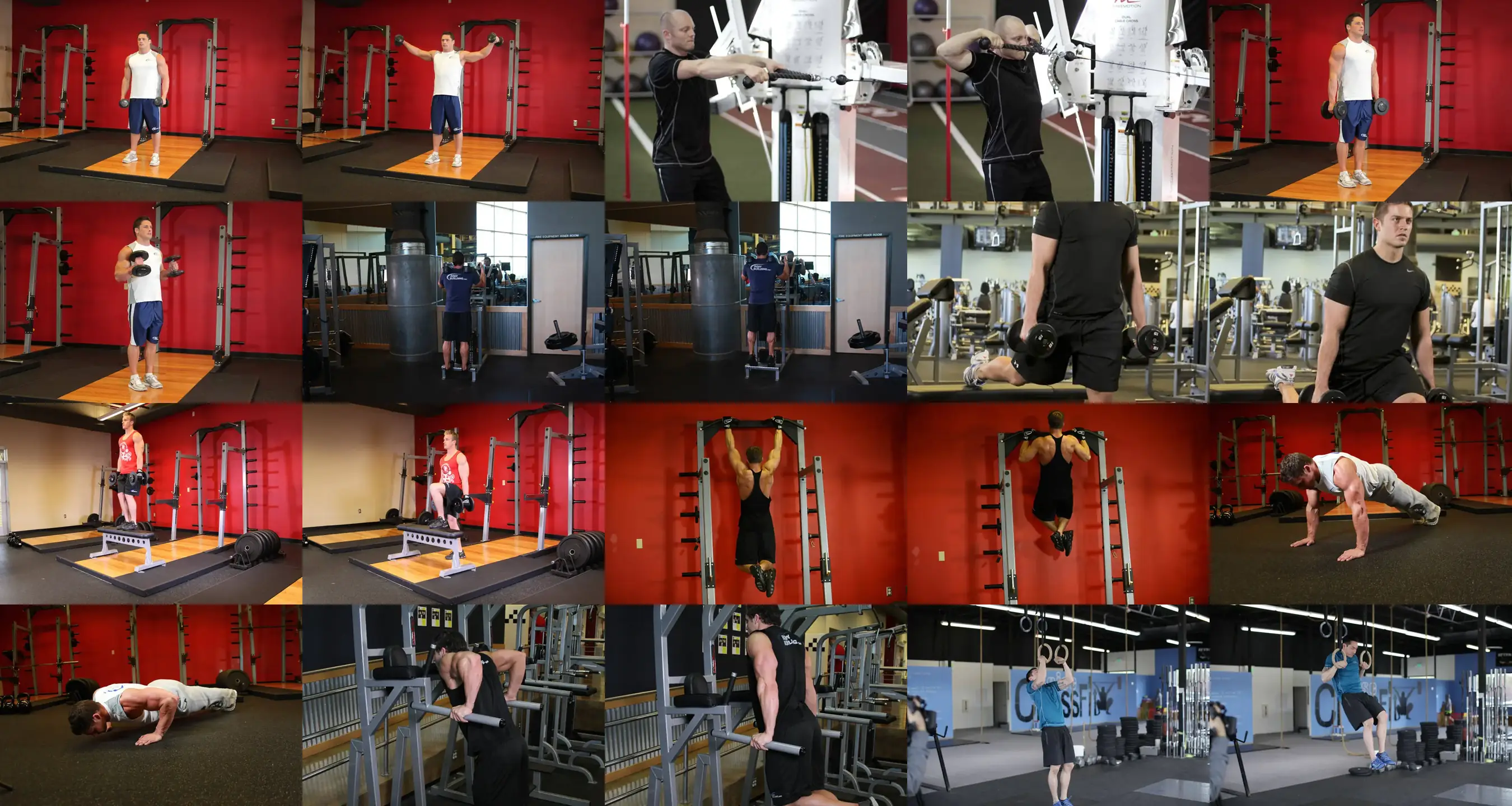
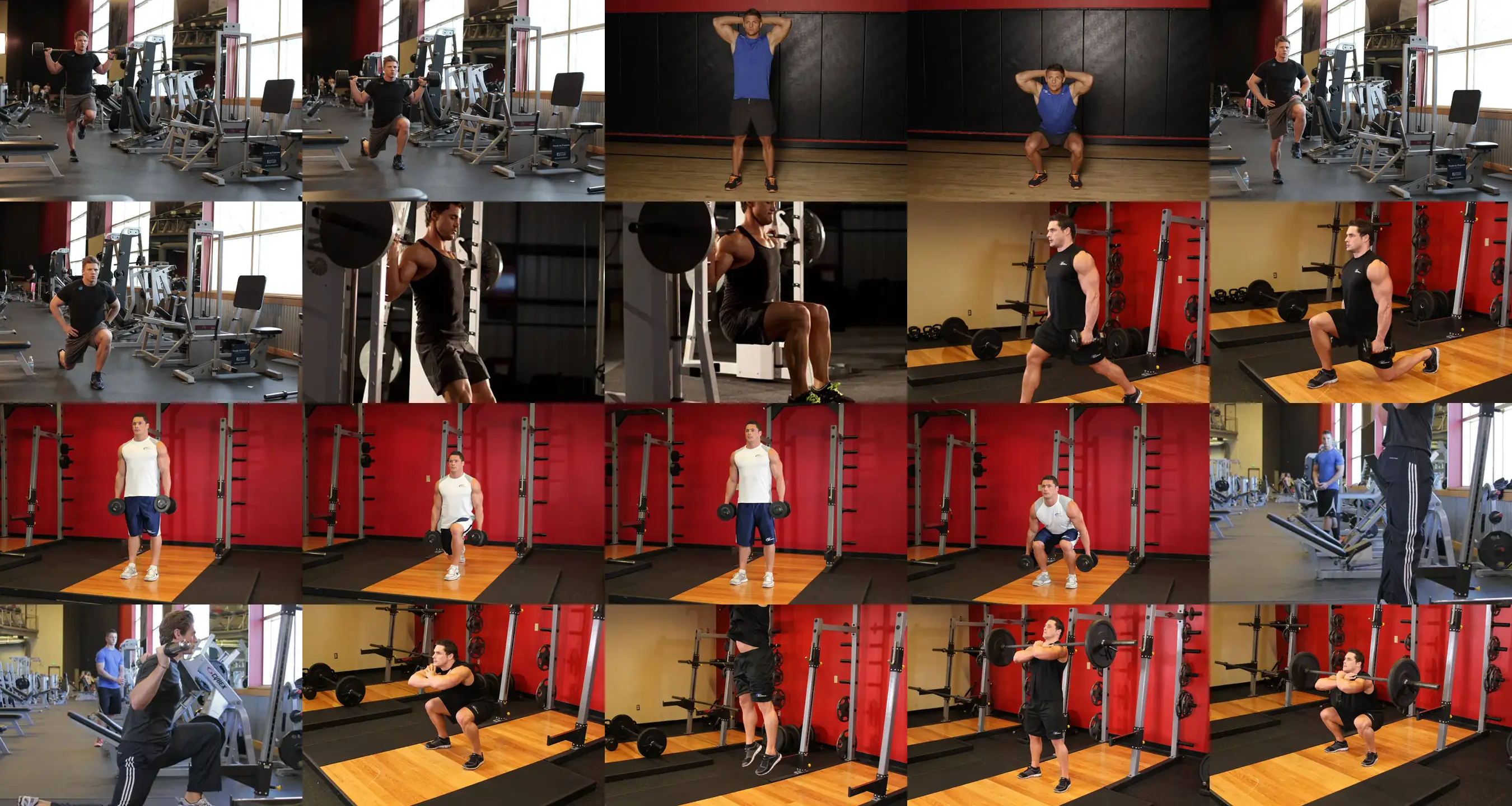
8-week plans with sets, reps and progression, built for your sport. Includes a downloadable PDF.
A more efficient stride, tougher calves and tendons and fewer injuries, without cutting miles.
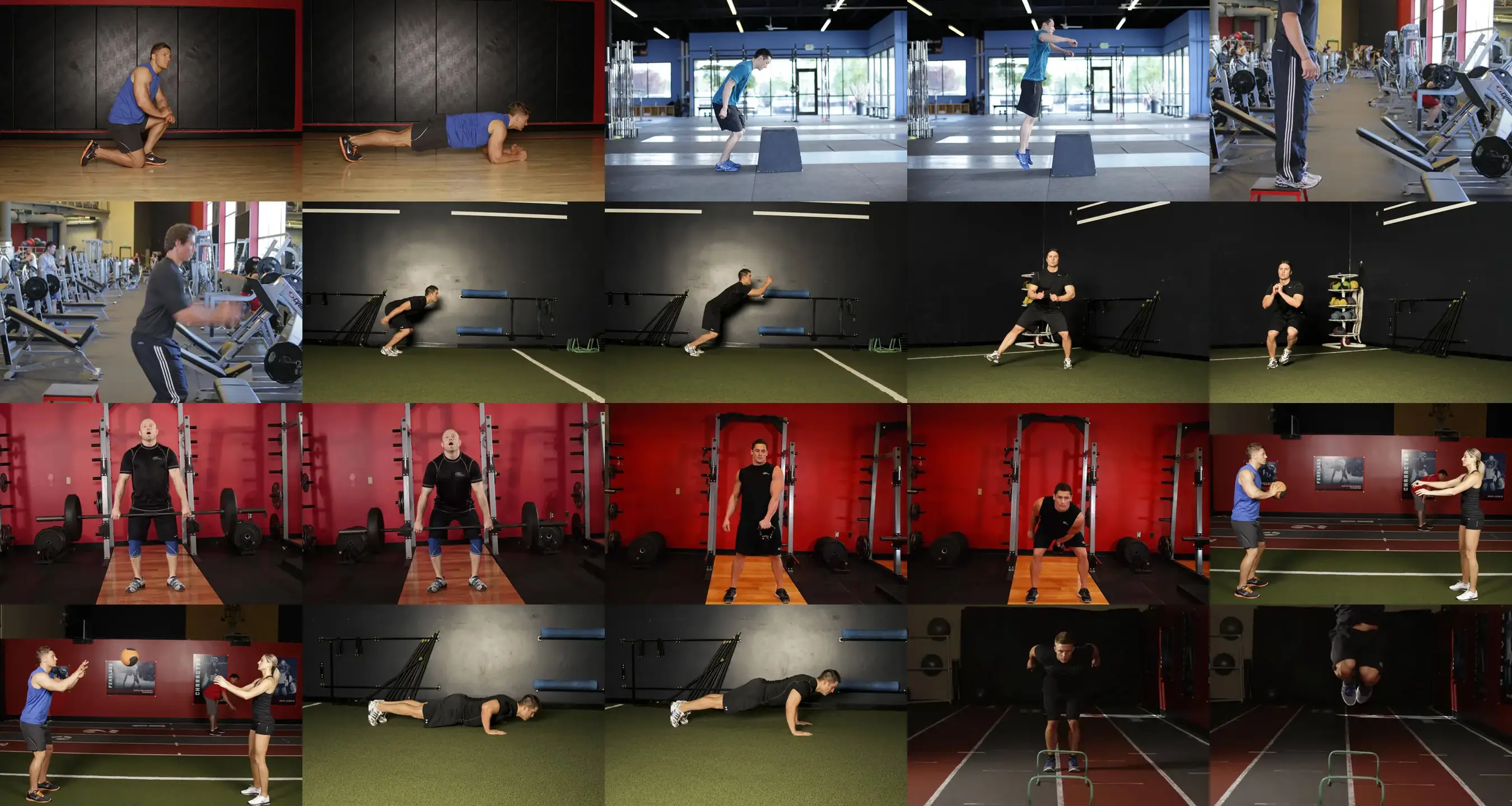
General strength that protects you across all three disciplines, in short 45-minute sessions that fit busy weeks.