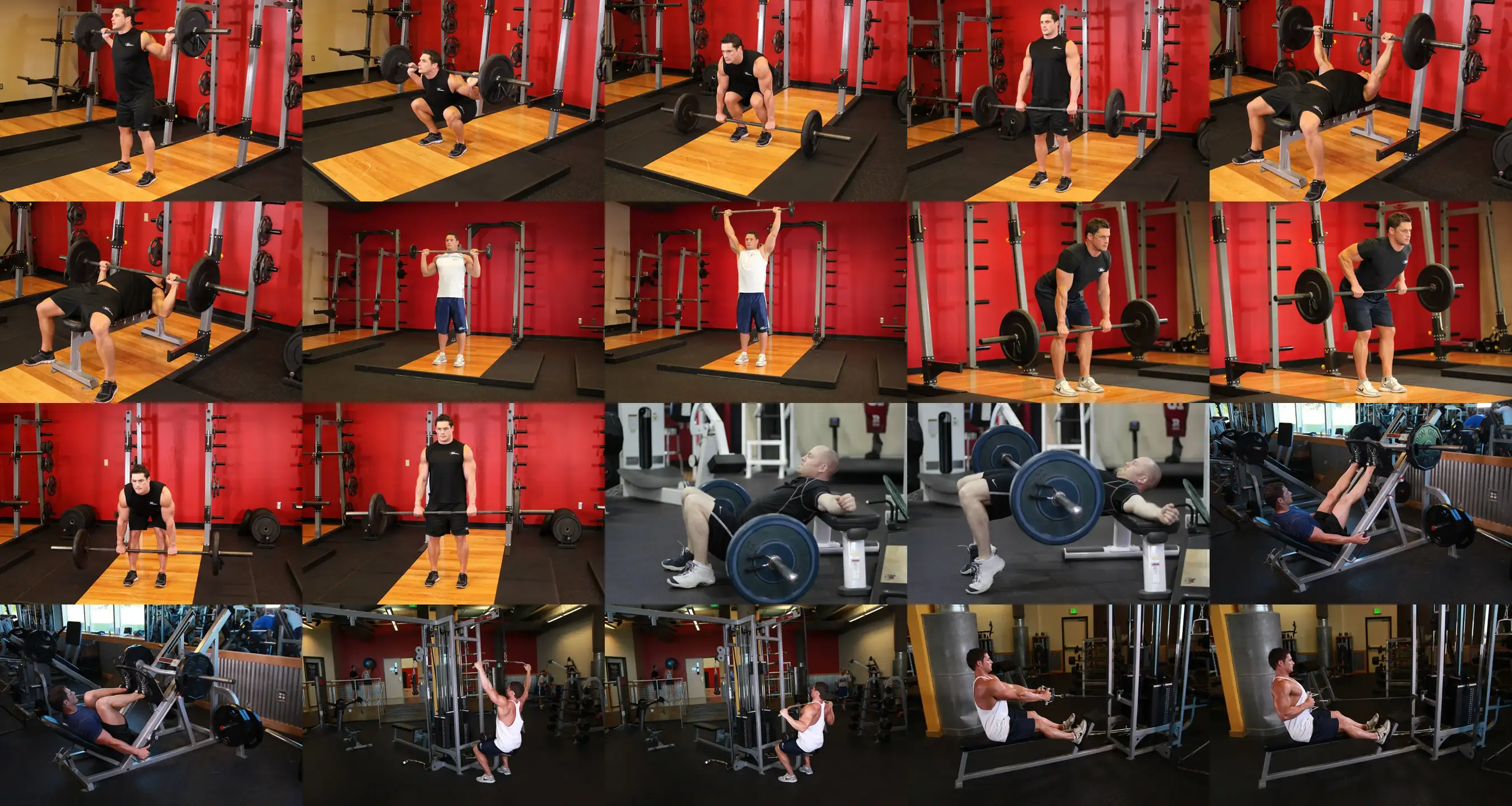
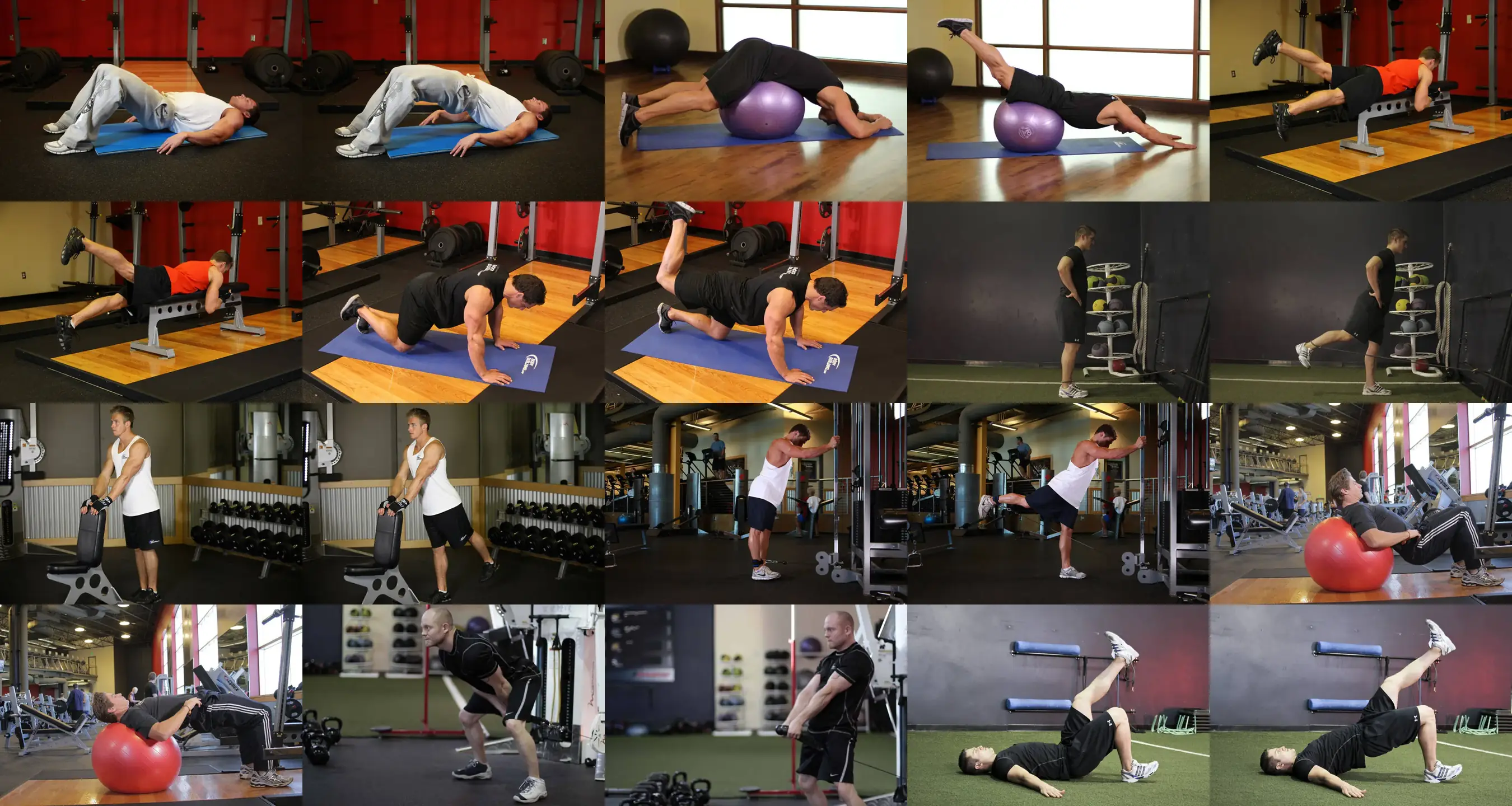
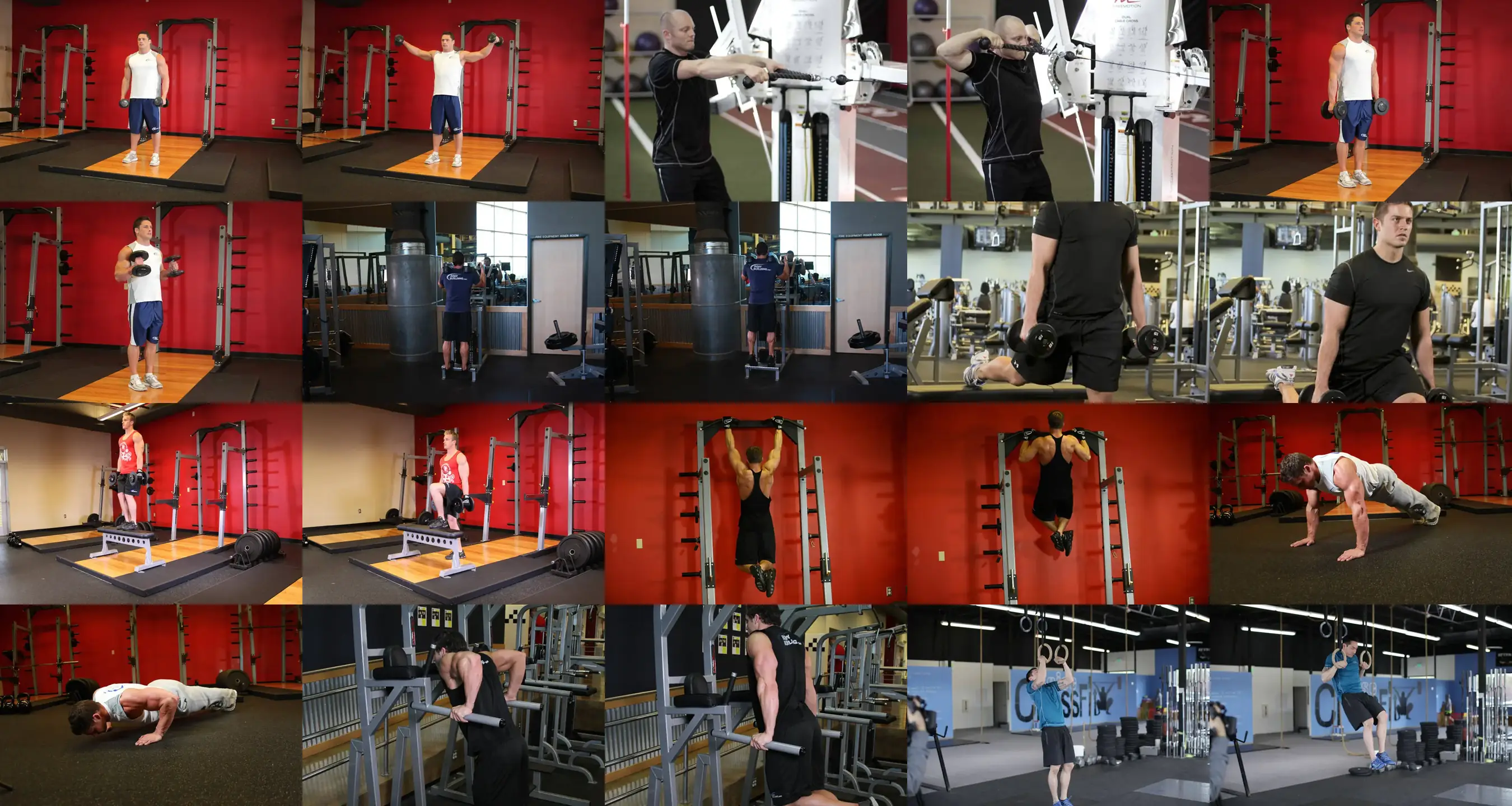
8 weeks · 2 sessions/wk
Strength for runners
A more efficient stride, tougher calves and tendons and fewer injuries, without cutting miles.
€19.99See program
Buy · €19.99Free calculator
Enter a recent race result (for example, your last 10K) and we'll estimate how long the other distances would take you if you train for them.
We use the Riegel formula: T2 = T1 × (D2 ÷ D1)1.06. The 1.06 exponent reflects that your pace slows slightly as the race gets longer. It's the formula most widely used by coaches and sports watches.
Around 1:50:30, at about 5:14 min/km (8:25 min/mile), if you've trained for long distances.
It gives you a good reference, but the marathon depends heavily on training volume. Treat it as your best-case scenario.
As an Amazon Associate, Muscle Atlas earns from qualifying purchases.
8-week plans with sets, reps and progression, built for your sport. Includes a downloadable PDF.
A more efficient stride, tougher calves and tendons and fewer injuries, without cutting miles.