Setup and loading
Use a 6 to 12 pound ball and a clear space in front, outdoors or in a high ceiling room. If the ball flies low or you have to round your back to pick it up, go lighter.
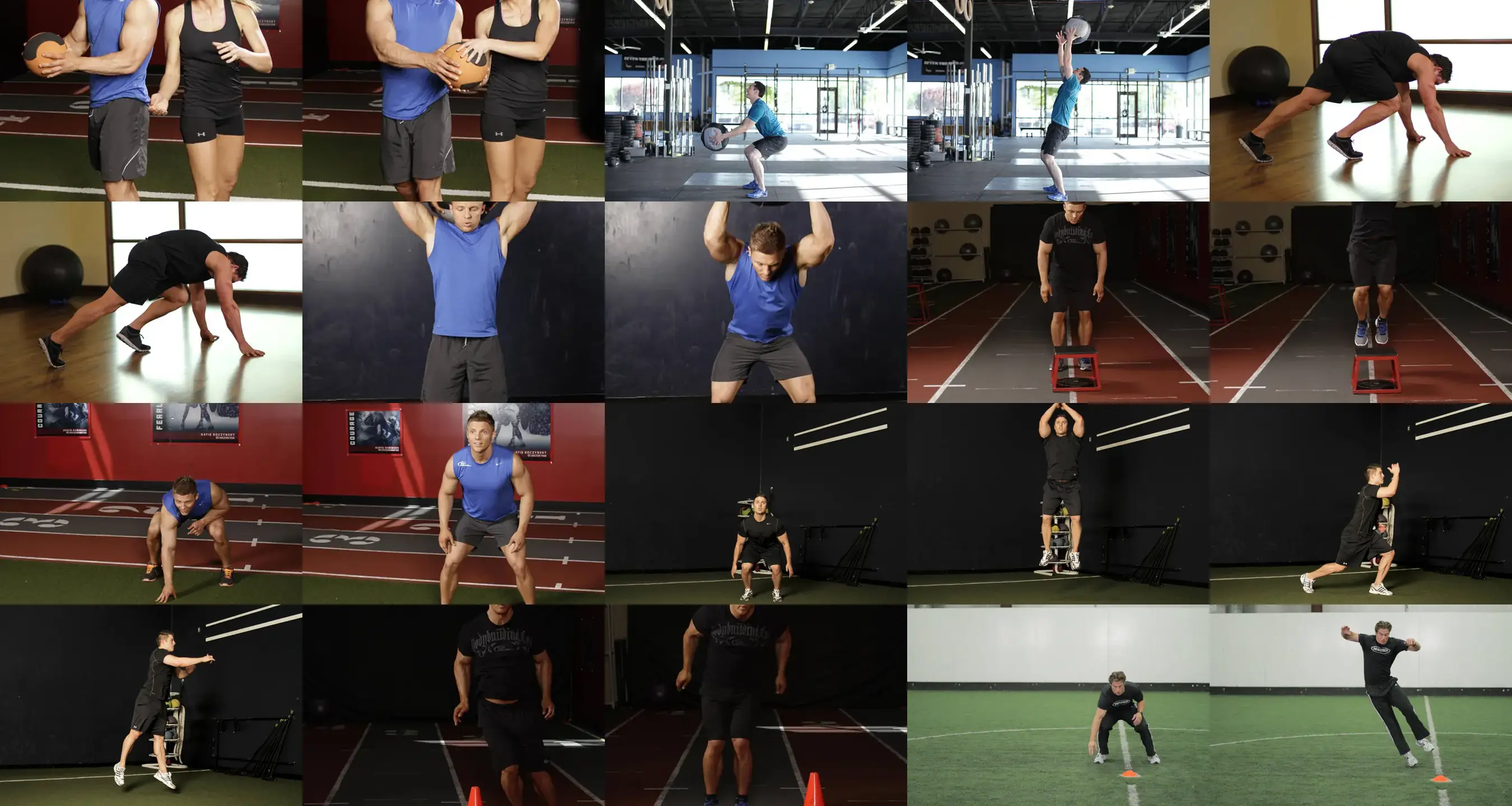
How to do the medicine ball scoop throw step by step
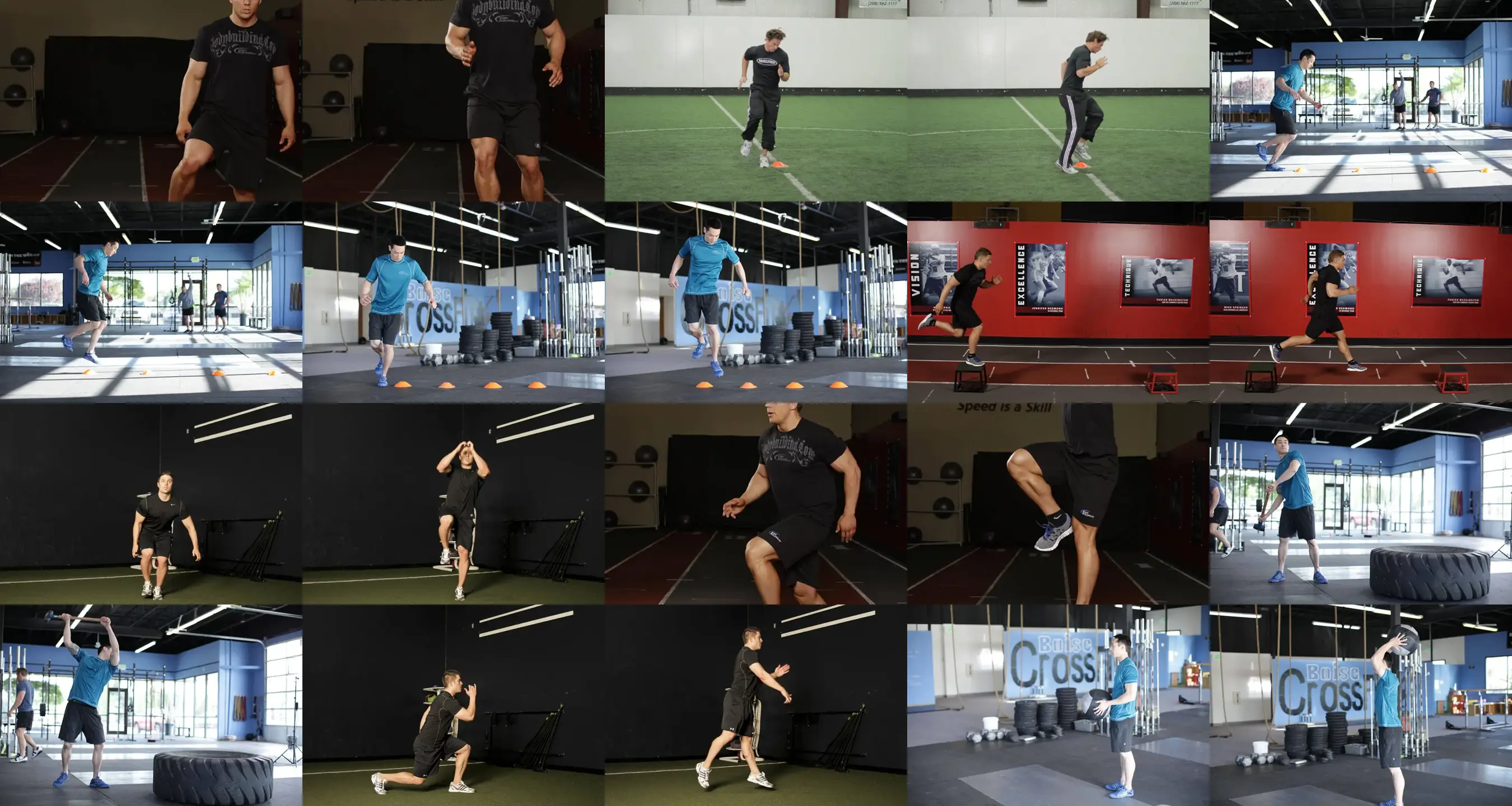
- Set up in a half squat with feet shoulder width apart, holding the ball with straight arms near your feet.
- Keep a neutral spine, chest forward and weight across your whole foot, breathing in.
- Explosively extend your hips, knees and ankles, pushing the floor away and leaving the ground if the force carries you.
- Let your straight arms swing the ball up in an arc in front of your body as you extend.
- Release the ball up and forward at about 45 degrees once you are fully extended, exhaling hard.
- Land softly with bent knees, retrieve the ball and repeat with enough rest.
Form cues
- Push the floor, the ball follows
- Neutral spine on the scoop
- Long arms through the arc
- Release at 45 degrees
Common mistakes
- Rounding your back at the bottom: it loads your lower back; hinge and keep a long chest.
- Yanking with your arms: you lose leg power; extend your hips first.
- Releasing too early: the ball goes low and short; wait for full extension.
- Throwing indoors with a low ceiling: you risk hitting things; use a tall room or go outside.
How to make it easier or harder
As a regression, do jump squats without a ball or rehearse the pattern with a very light ball. To progress, measure your distance, use a slightly heavier ball, or follow the throw with a sprint to retrieve it.
Sets and reps for your goal
Power
4-6 x 2-5 · full rest3-6 sets of 1-5 reps with light or moderate loads (30-60% of your max on the main lifts), or with a ball or your bodyweight. Rest 2 to 3 minutes.
Every rep at the highest possible speed. As soon as you notice it moving slower (a 10-20% velocity loss), end the set. Train power fresh, never fatigued.
A guide for healthy adults. Adjust the load to your level and see a professional if you have an injury.
Check your form
Film yourself from the side or ask someone to watch, then tick what you get right.
Frequently asked questions
What is the difference between a scoop throw and a backward throw?
Both train triple extension, but in the scoop throw the ball goes forward, so the movement resembles a broad jump. In the backward throw the ball travels over your head and the hinge loads your posterior chain more.
Which sports benefit from scoop throws?
They help in track, volleyball, basketball and contact sports where leg and hip power matter. They also show up in general athletic programs to teach coordinated full body extension.
Sports it suits
Gear for this exercise
- Medicine ball3-6 kg (6-13 lb) for power throws.
As an Amazon Associate, Muscle Atlas earns from qualifying purchases.