Setup and loading
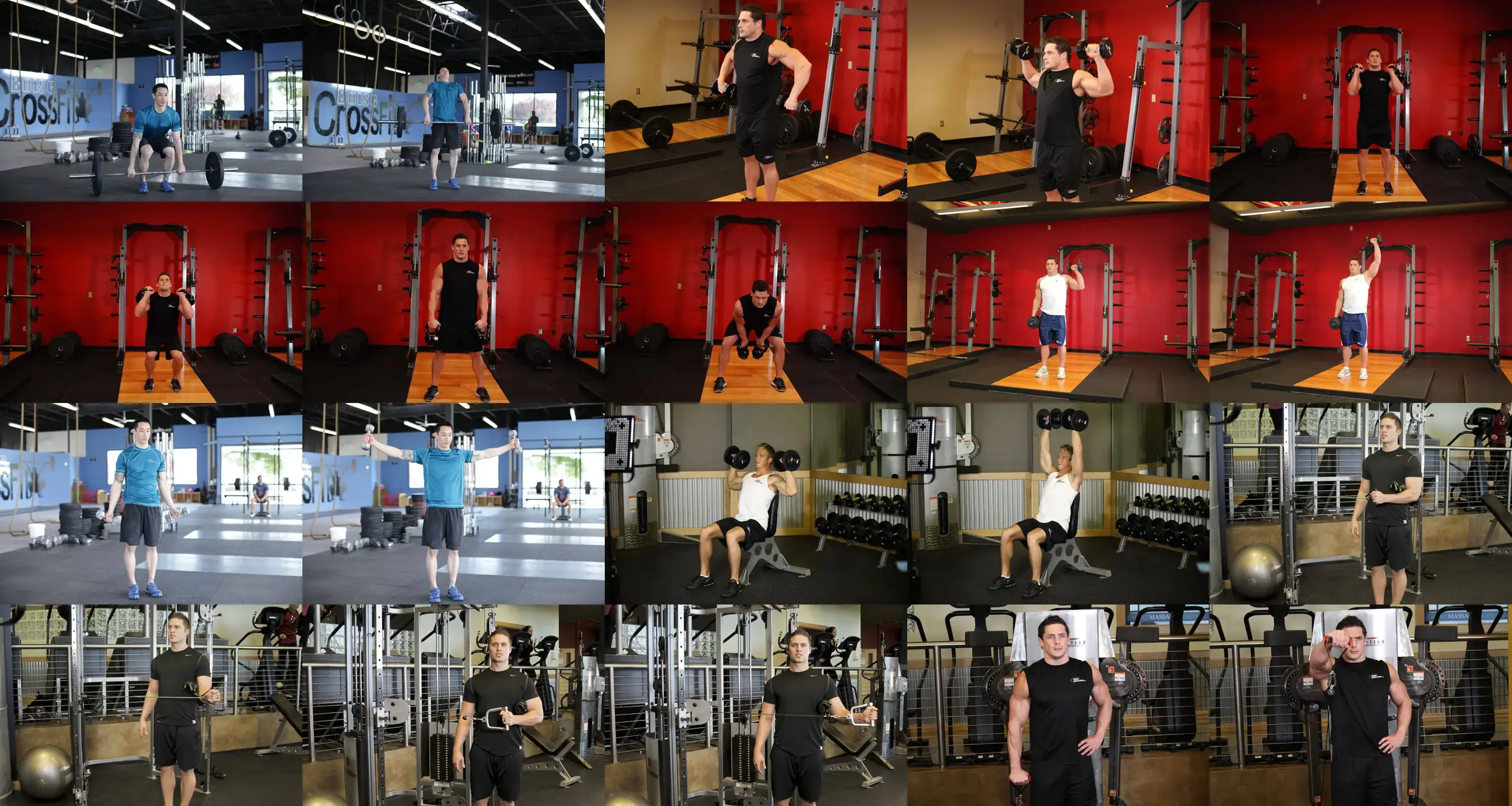
Set the pulley at face height or slightly above with a rope attachment and grip it with your thumbs pointing toward you. Use a light to moderate weight that allows 12 to 20 reps with a pause at the end and no body swing; technique matters more than load here.
How to do the cable face pull step by step
- Set the pulley at eye level, attach a rope and grab it with a neutral grip, thumbs pointing back.
- Step back one or two paces with the rope taut and arms straight, feet hip-width apart or staggered.
- Brace your abs and pull your shoulders down so the weight doesn't drag you forward.
- Pull the rope toward your face, spreading your hands and driving your elbows back and out at shoulder height.
- Finish with your hands beside your ears and forearms rotated up, like a double biceps pose, and breathe out.
- Hold for a second while squeezing your upper back, then return slowly to straight arms as you breathe in.
Form cues
- Elbows high, at shoulder height
- Pull the rope apart, not just back
- Rotate your forearms up at the end
- Torso still, shoulders do the work
Common mistakes
- Using too much weight: you end up pulling with your lower back; lighten it and keep your torso still.
- Elbows dropping: it turns into a row and loses external rotation; keep them at shoulder height.
- Not spreading your hands: the rear delts work less; pull the rope ends out beside your head.
- Shrugging: it loads your upper traps; press your shoulders down before every pull.
How to make it easier or harder
To make it easier, use a band anchored at face height or do it seated to stabilize your torso. To progress, add a two-second pause at the end, do it half-kneeling, or finish each rep with a Y-shaped overhead press.
Sets and reps for your goal
Hypertrophy
3 x 12-153-4 sets of 6-12 reps (up to 15-20 on isolation exercises) at 65-80% of your max. Rest 1 to 2 minutes.
Get close to failure (0-3 reps in reserve) and control the lowering for 2-3 seconds. Accumulate 10-20 sets per muscle per week.
Core & Stability
Warm-up 2 x 153-4 sets of 20-45 seconds or 8-12 slow reps. Rest 45 to 60 seconds.
Neutral spine, tight abs and controlled breathing. Progress in time or leverage before adding weight.
A guide for healthy adults. Adjust the load to your level and see a professional if you have an injury.
Check your form
Film yourself from the side or ask someone to watch, then tick what you get right.
Frequently asked questions
What are face pulls good for?
They strengthen your rear delts, upper back and shoulder external rotators. They help balance out chest and pressing work, which is why they are so popular for keeping shoulders strong and supporting a more open posture.
How many reps of face pulls should I do?
Three to four sets of 12 to 20 reps with moderate weight and a pause at the end work well. These small muscles respond well to volume, so you can train them two or three times a week, often on upper-body days.