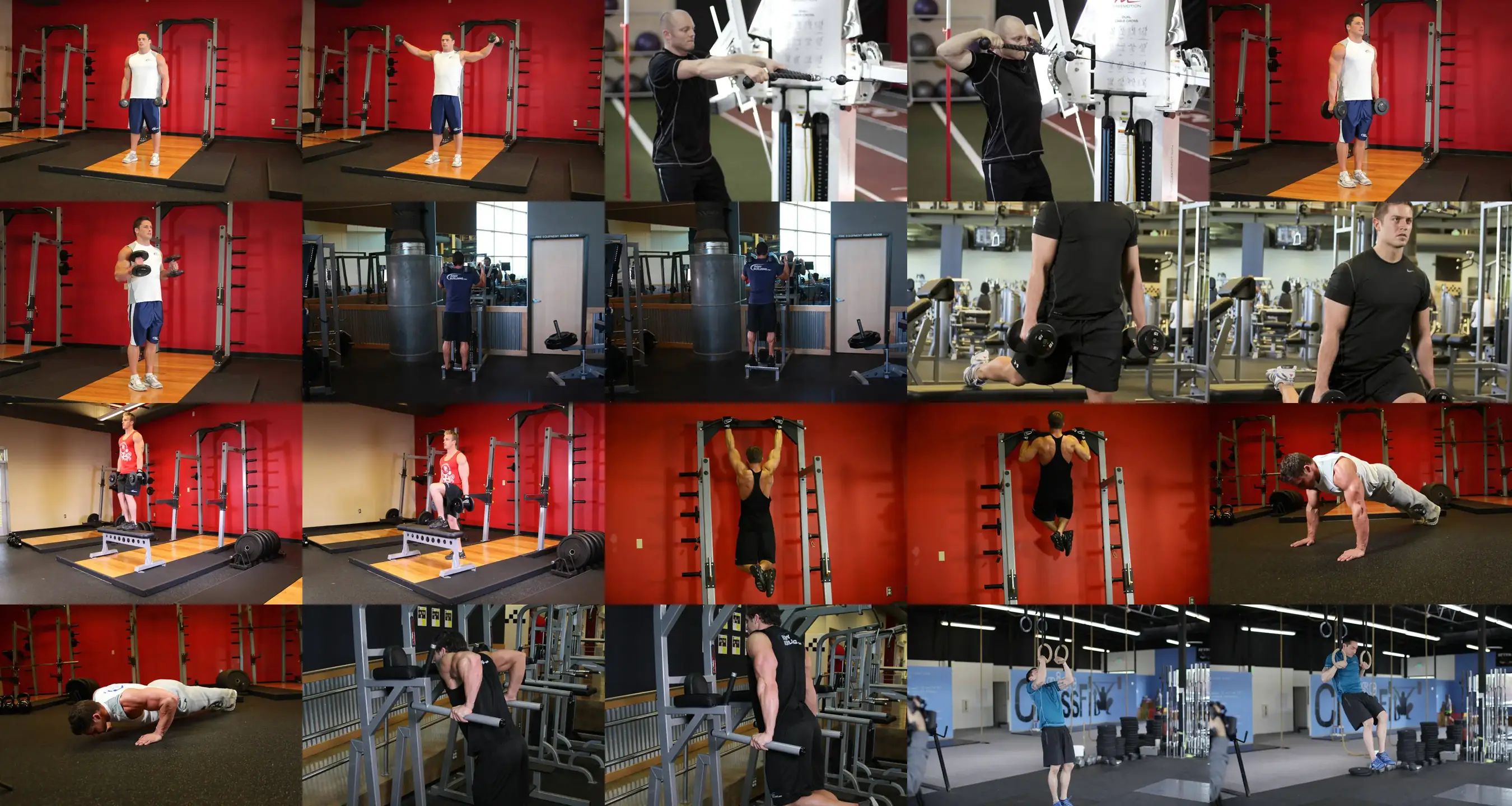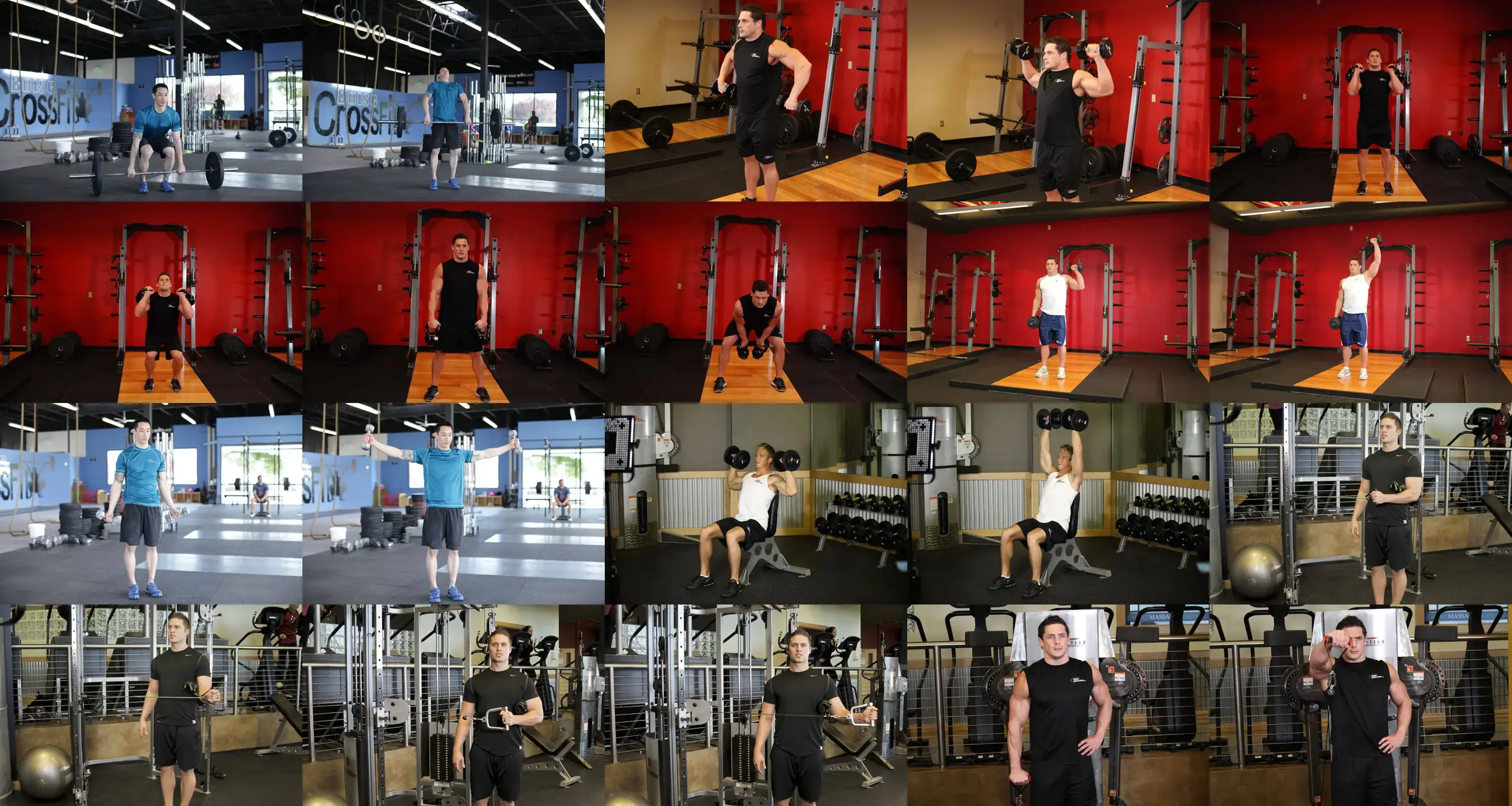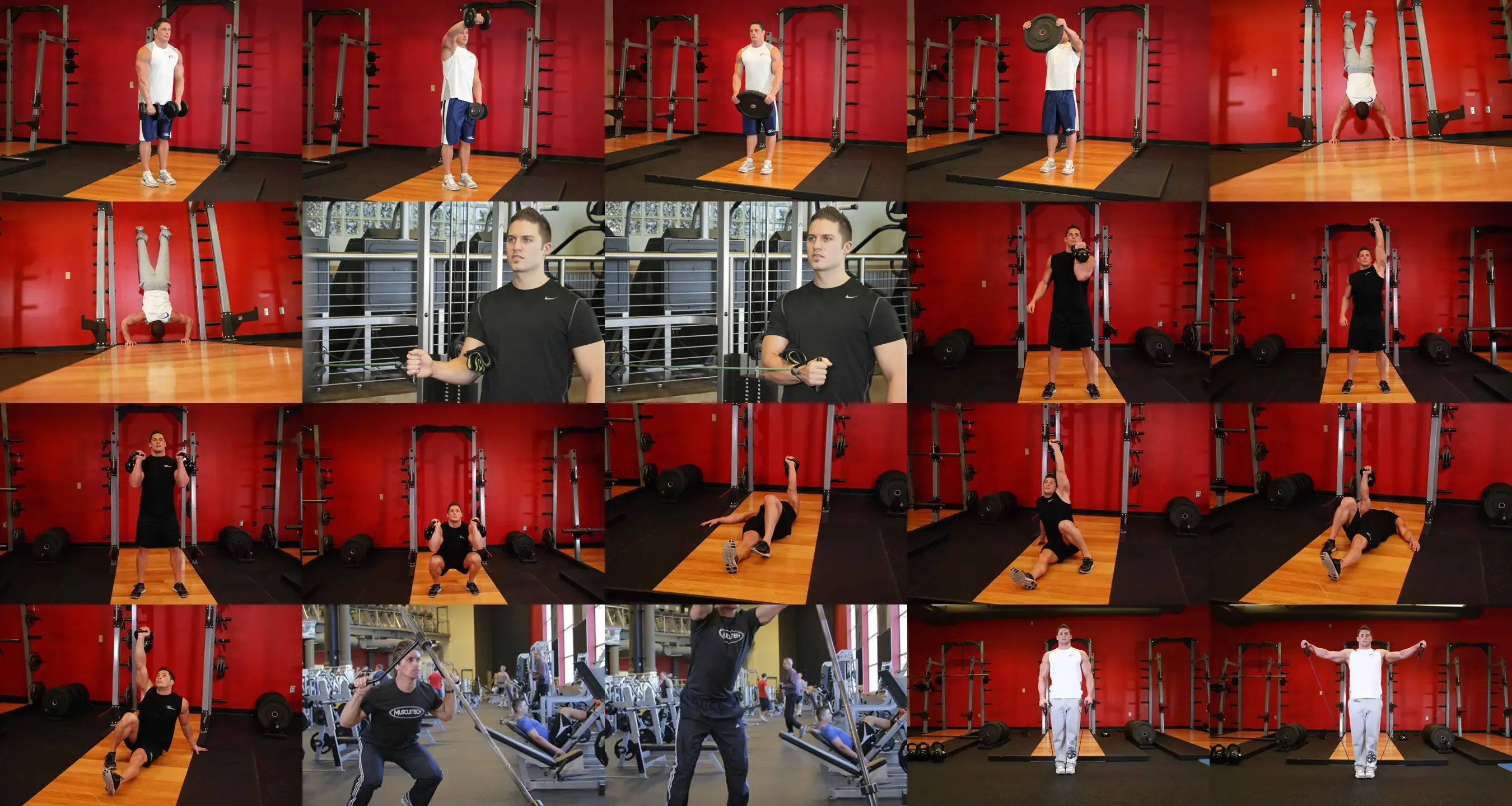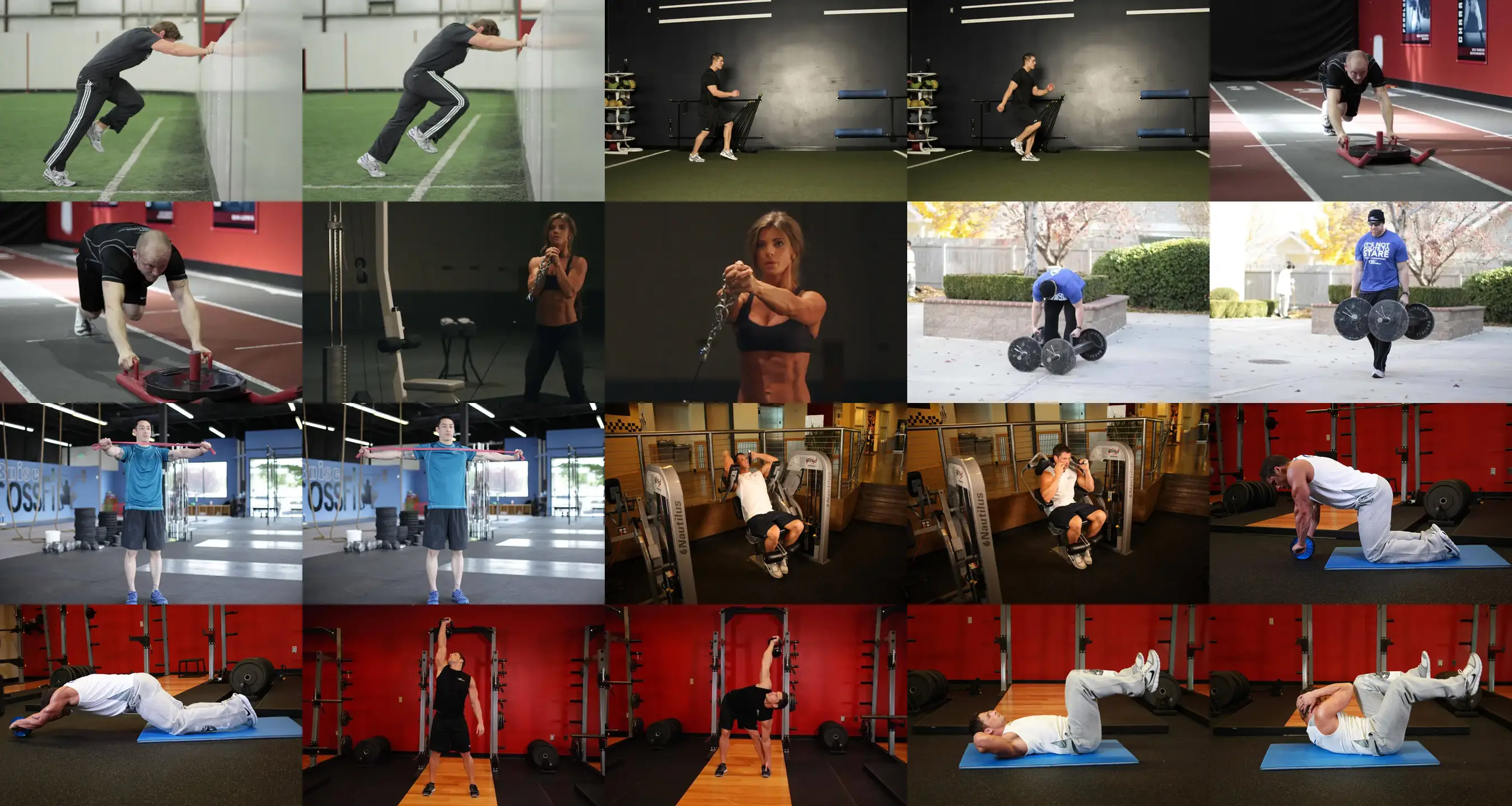
Setup and loading
Set the pulley at elbow height with a single handle and stand sideways with the working arm closest to the tower. Use very light weight, since this is a small muscle, and pick a load that allows 12 to 20 slow reps without the elbow leaving your side.
How to do the cable internal rotation step by step
- Set the pulley at elbow height, stand sideways, and grab the handle with the hand nearest the tower.
- Tuck your elbow at your side, bent to 90 degrees, and let the cable draw your forearm outward comfortably.
- You can place a rolled towel between your elbow and ribs to hold the position.
- Exhale and rotate your forearm in toward your belly, like a door swinging shut, without moving the elbow.
- Inhale and slowly return to the start while resisting the cable.
- Finish your reps, then turn around to train the other arm.
Form cues
- Elbow pinned at your side, at 90 degrees
- Forearm swings like a closing door
- Wrist straight and relaxed
- Slow in both directions
Common mistakes
- Letting the elbow drift away: it stops being a rotation; use a towel as a reference.
- Twisting your torso: your body does the work; keep shoulders and hips facing forward.
- Using too much weight: pecs and lats take over; light loads isolate the rotator cuff.
- Snapping back to the start: you lose eccentric control; follow the cable for two to three seconds.
How to make it easier or harder
As a regression, use a light band or lie on your side with a very light dumbbell. To progress, increase the weight in small steps or perform the rotation with the arm out at 90 degrees from the body, a harder position typical of throwing sports.
Sets and reps for your goal
Injury Prevention
2-3 x 10-15 slow2-3 sets of 10-15 slow reps with a light or moderate load, 2-3 times per week.
Control the lowering (about 3 seconds). This is quality work, not fatigue work: finish every set feeling good.
A guide for healthy adults. Adjust the load to your level and see a professional if you have an injury.
Check your form
Film yourself from the side or ask someone to watch, then tick what you get right.
Frequently asked questions
What is cable internal rotation good for?
It strengthens the subscapularis, a rotator cuff muscle that helps stabilize the shoulder. It is used in warm ups, prevention programs, and by athletes who throw or swing, such as tennis or baseball players.
How much weight should I use for internal rotations?
Very little. The goal is controlled work for a small muscle, so the lightest plate on the stack is often enough at first. If you need to twist your torso or lift your elbow, the load is too heavy.