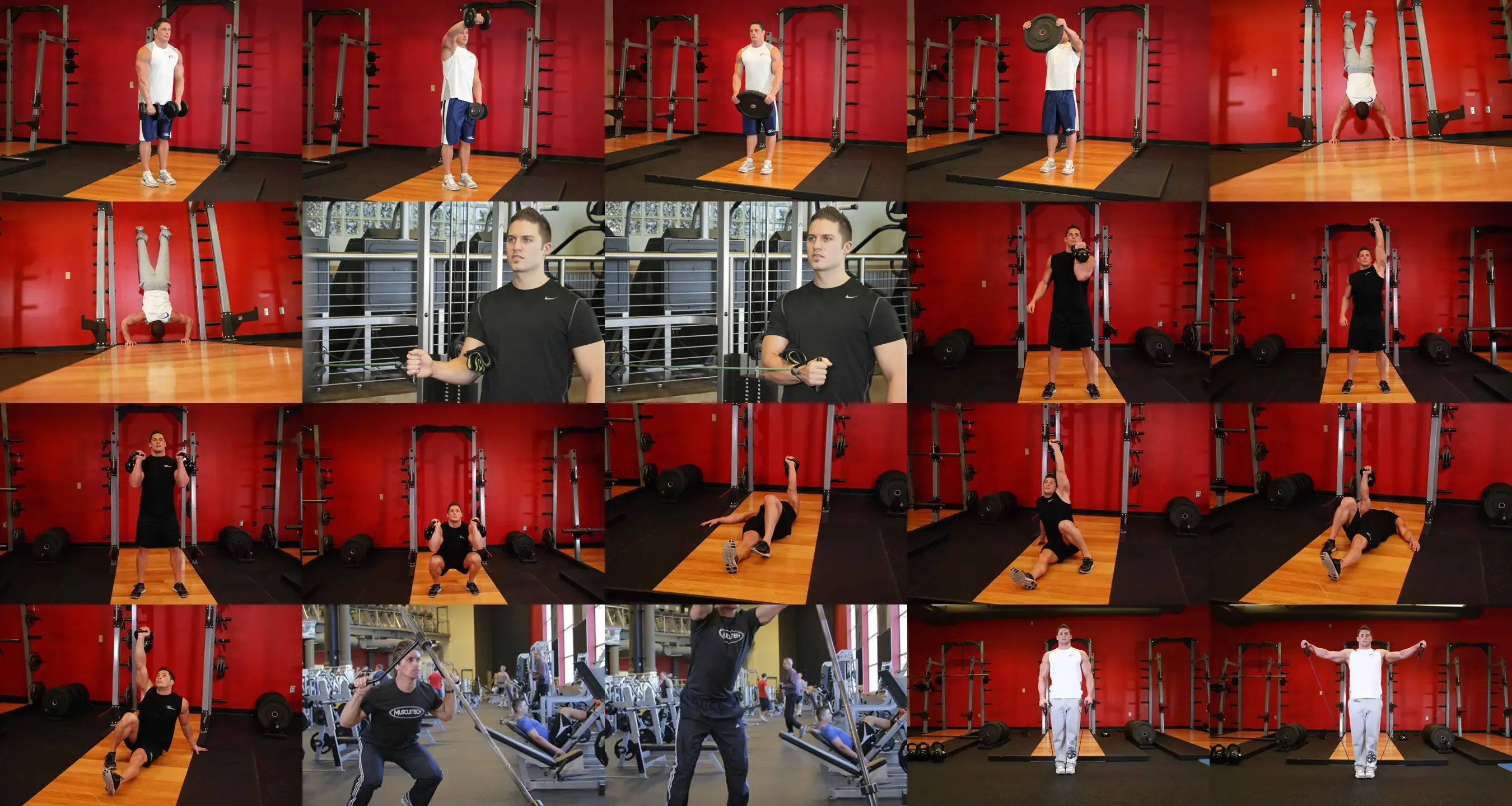
Setup and loading
Anchor a light band at elbow height on a door or rack and stand sideways with your working arm nearest the anchor. Adjust tension with band thickness or by stepping away, aiming for 15 to 20 slow reps without moving the elbow.
How to do the band internal rotation step by step
- Anchor the band at elbow height and stand sideways, holding the end in the hand nearest the anchor.
- Tuck your elbow at your side bent to 90 degrees, with a rolled towel between arm and ribs if you like.
- Let the band draw your forearm outward to a comfortable point without forcing the range.
- Exhale and rotate your forearm toward your belly, keeping the elbow fixed and the wrist straight.
- Inhale and return slowly to the start while resisting the band.
- Finish your reps, then turn around to train the other arm.
Form cues
- Elbow tucked, towel in place
- Rotate like a hinge
- Shoulder low and relaxed
- Slow return, no snapping
Common mistakes
- Letting the elbow leave your side: the exercise loses its effect; keep squeezing the towel.
- Twisting your torso inward: your body replaces the shoulder; keep your chest facing forward.
- Using too strong a band: control disappears; a light band is enough to start.
- Letting the band snap back: it forces external rotation; guide the return.
How to make it easier or harder
As a regression, use a thinner band or step closer to the anchor to reduce tension. To progress, use a thicker band, add holds at the end, or rotate with the arm out at 90 degrees from your body, closer to throwing positions.
Sets and reps for your goal
Injury Prevention
2-3 x 10-15 slow2-3 sets of 10-15 slow reps with a light or moderate load, 2-3 times per week.
Control the lowering (about 3 seconds). This is quality work, not fatigue work: finish every set feeling good.
A guide for healthy adults. Adjust the load to your level and see a professional if you have an injury.
Check your form
Film yourself from the side or ask someone to watch, then tick what you get right.
Frequently asked questions
What is the difference between band and cable internal rotation?
A cable gives constant resistance that is easy to adjust by weight. A band increases tension as it stretches and is portable, ideal for warming up anywhere. Both work well to strengthen the subscapularis.
How many reps of band internal rotation should I do?
Two to three sets of 15 to 20 slow reps work well as a warm up or accessory work. The goal is control and muscular endurance, not pulling the heaviest band you can find.
Sports it suits
Gear for this exercise
- Resistance bandsSeveral strengths to progress and warm up before training.
As an Amazon Associate, Muscle Atlas earns from qualifying purchases.