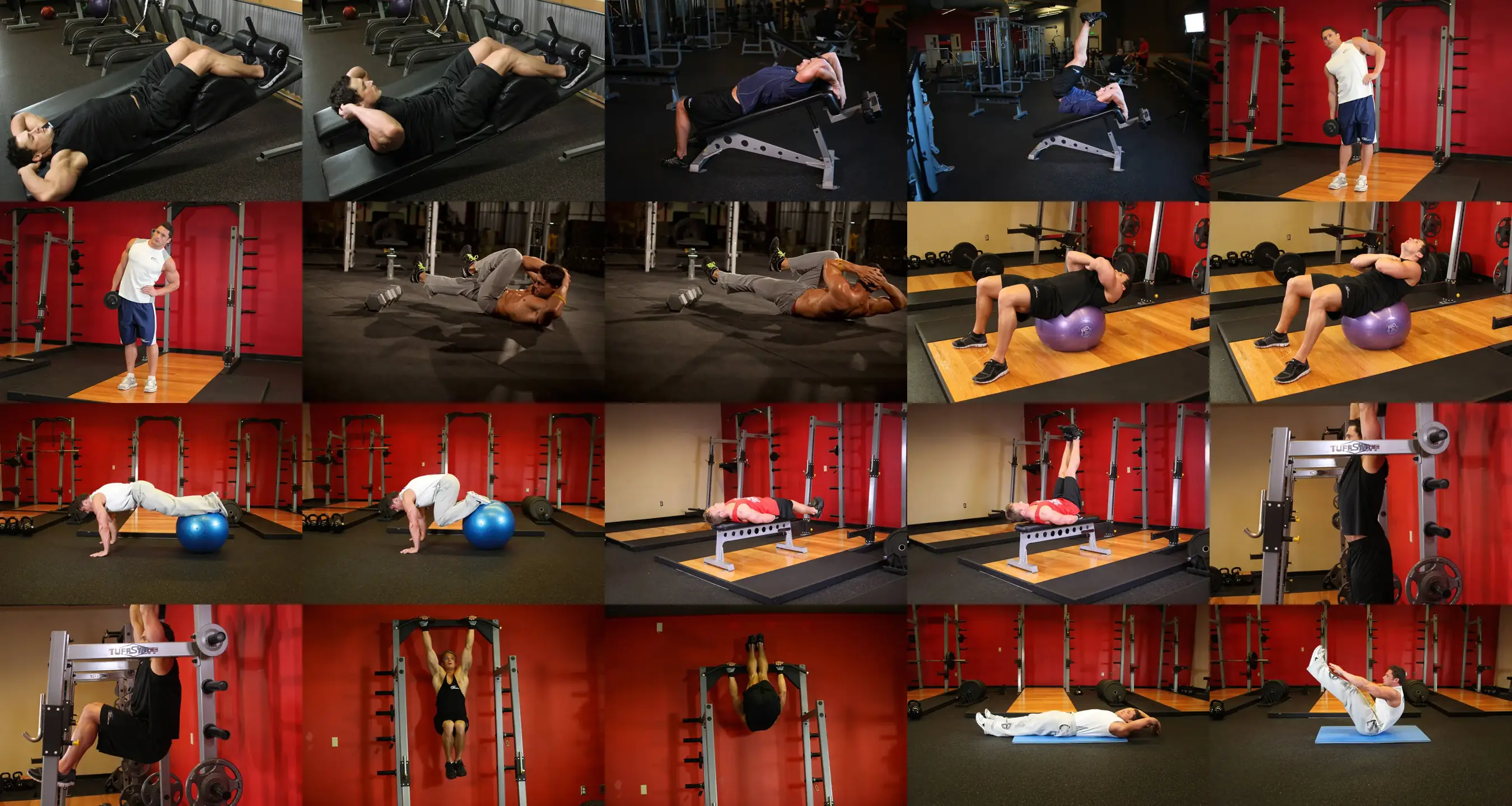
Setup and loading
Hang from a bar with an overhand, shoulder width grip, straight arms and active shoulders. You need good hamstring flexibility; adjust difficulty by how high your feet go and how slowly you lower.
How to do the hanging pike step by step
- Hang from the bar with an overhand grip, arms straight and shoulders pulled slightly down away from your ears.
- Press your straight legs together, squeeze your glutes and quads and kill any swing.
- Breathe in, then exhale as you raise your straight legs while curling your pelvis forward.
- Press the bar down with straight arms to tilt your torso back and bring your insteps to the bar.
- Hold for a moment at the top with your legs straight.
- Breathe in and lower your legs slowly, controlling the swing until you hang still.
Form cues
- Legs straight and together throughout
- Press the bar toward your hips
- Curl your pelvis, do not just lift
- Lower slowly to stop swinging
Common mistakes
- Bending your knees: makes it easier; if you need to bend them, you are not ready yet.
- Swinging for momentum: takes your abs out; start every rep from a dead hang.
- Passive, loose shoulders: stresses the joint; engage your shoulders before lifting.
- Dropping your legs: creates swing; take three seconds to lower.
How to make it easier or harder
If you cannot reach the bar yet, build up with hanging knee raises and then straight leg raises to horizontal. To progress, add three second holds at the top or very slow lowering, and later work toward front lever training.
Sets and reps for your goal
Core & Stability
3 x 8-15 or 20-45 s3-4 sets of 20-45 seconds or 8-12 slow reps. Rest 45 to 60 seconds.
Neutral spine, tight abs and controlled breathing. Progress in time or leverage before adding weight.
A guide for healthy adults. Adjust the load to your level and see a professional if you have an injury.
Check your form
Film yourself from the side or ask someone to watch, then tick what you get right.
Frequently asked questions
What is the difference between a hanging pike and toes to bar?
They look similar, but the hanging pike is strict, with straight legs, no swing and a controlled descent. CrossFit style toes to bar usually uses a kip swing to reach the bar for more reps.
Do you need flexibility for a hanging pike?
Yes. Tight hamstrings stop you from bringing straight legs to the bar. Hamstring stretching and seated pike holds help a lot in reaching the full range.
Sports it suits
Gear for this exercise
- Exercise matThick (8-10 mm) for floor work.
- Pull-up barWall-mounted beats doorway if you plan to add weight.
As an Amazon Associate, Muscle Atlas earns from qualifying purchases.