Setup and loading
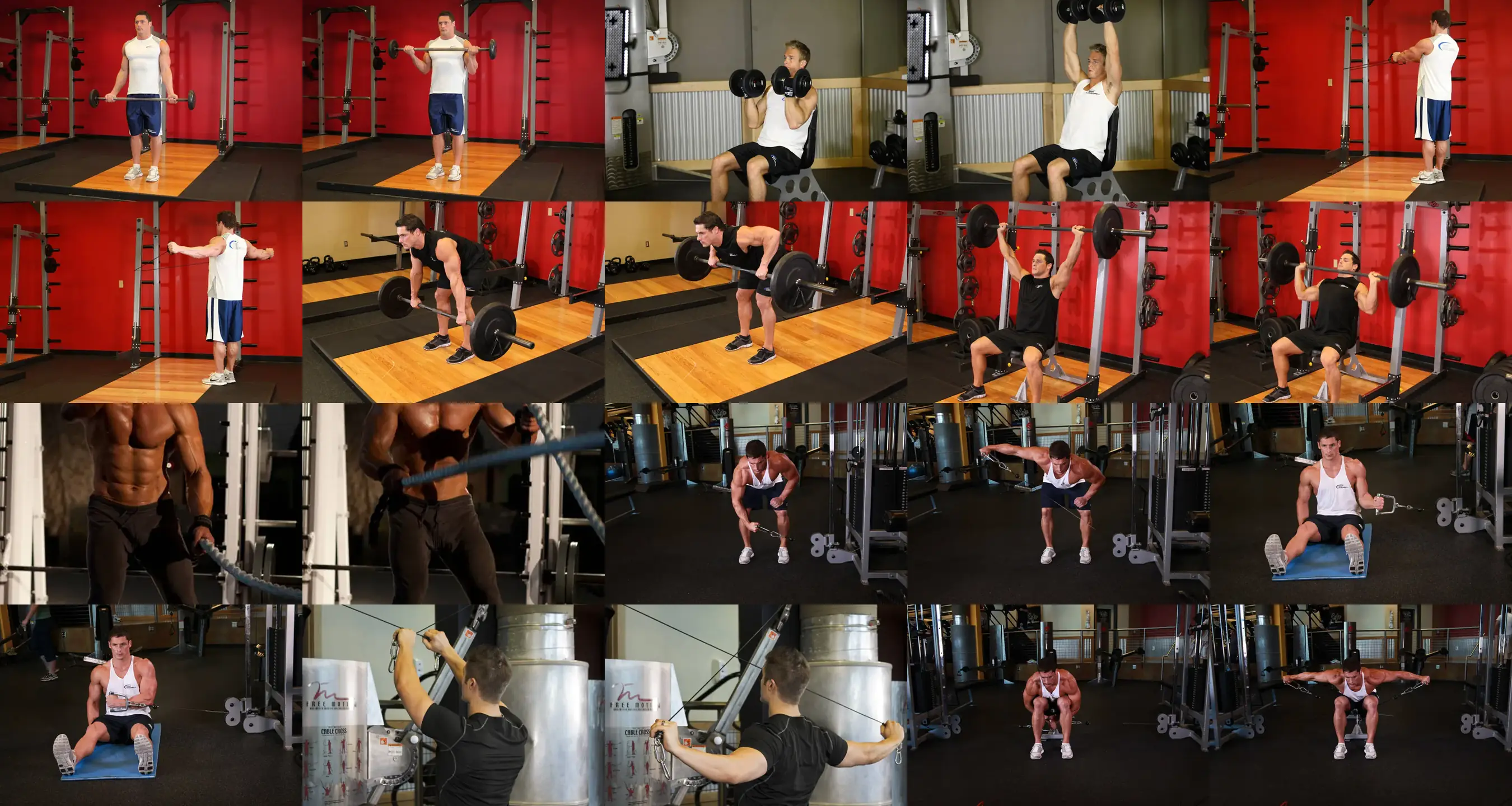
Set both pulleys at shoulder height or slightly above, with no handles or single handles, and stand exactly in the center. Choose a light weight that lets you sweep your arms through a wide arc for 12 to 20 reps without leaning back.
How to do the cable rear delt fly step by step
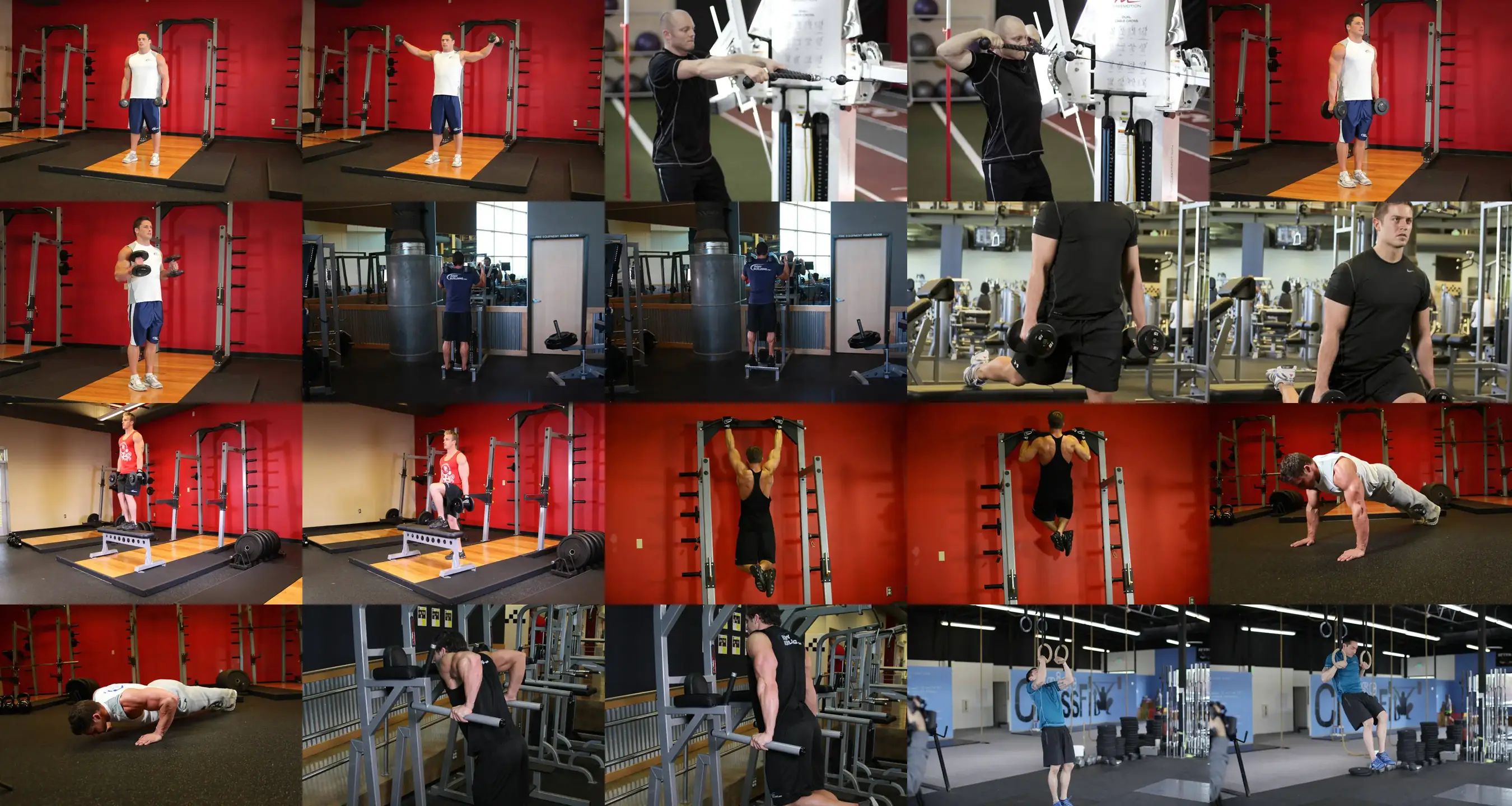
- Grab the left cable with your right hand and the right cable with your left, then step back to the center.
- Stand tall with your arms crossed in front at chest height and elbows slightly bent.
- Exhale and sweep your arms back and out in an arc until they line up with your body.
- Squeeze the backs of your shoulders for a second without over pinching your shoulder blades.
- Inhale and return slowly, crossing your arms in front again to the start.
- Keep your chest tall and torso still on every rep.
Form cues
- Cables crossed, opposite hands
- Sweep in an arc, elbows fixed
- Finish with arms in line with your torso
- Chest up, no leaning back
Common mistakes
- Leaning back: body weight moves the load; reduce the weight and lock your torso.
- Bending and straightening the elbows: it becomes a row; keep the angle constant.
- Pulling the arms far behind you: the traps dominate; stop when arms are in line.
- Shrugging the shoulders: needless neck tension; keep them down the whole time.
How to make it easier or harder
As a regression, do one arm at a time while holding the tower with your free hand, or use a band. To progress, add weight gradually, hold two seconds with arms open, or finish the session with drop sets.
Sets and reps for your goal
Hypertrophy
3 x 10-15 · rest 60 s3-4 sets of 6-12 reps (up to 15-20 on isolation exercises) at 65-80% of your max. Rest 1 to 2 minutes.
Get close to failure (0-3 reps in reserve) and control the lowering for 2-3 seconds. Accumulate 10-20 sets per muscle per week.
A guide for healthy adults. Adjust the load to your level and see a professional if you have an injury.
Check your form
Film yourself from the side or ask someone to watch, then tick what you get right.
Frequently asked questions
Why cross the cables for rear delt flyes?
Crossing the cables lets you start with your arm in front of your body, where the rear delt is stretched. That gives a longer range and keeps cable tension aligned with the direction the muscle actually pulls.
What height should the pulleys be for rear delt flyes?
Shoulder height or slightly above is most common. Set them too low and the movement looks like a row; set them too high and the traps get more involved. Adjust until you feel the work behind your shoulders.