Setup and loading
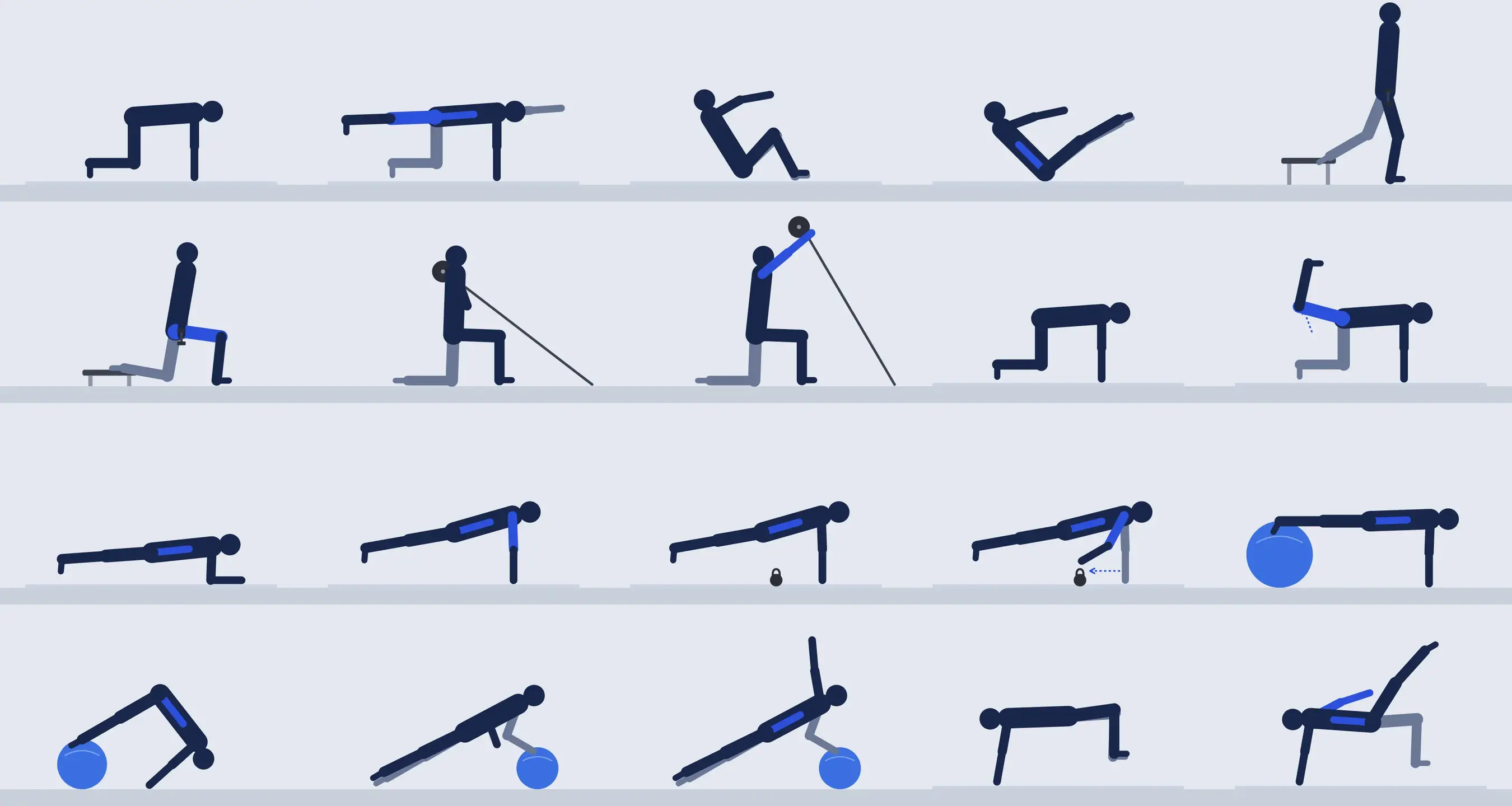
Sit on a mat to protect your tailbone and start with your knees bent and your hands close to the floor. Make it harder by straightening your legs, reaching your arms farther or holding a plate, and pick the version you can hold for 20-30 seconds with good posture.
How to do the boat hold (v-sit) step by step
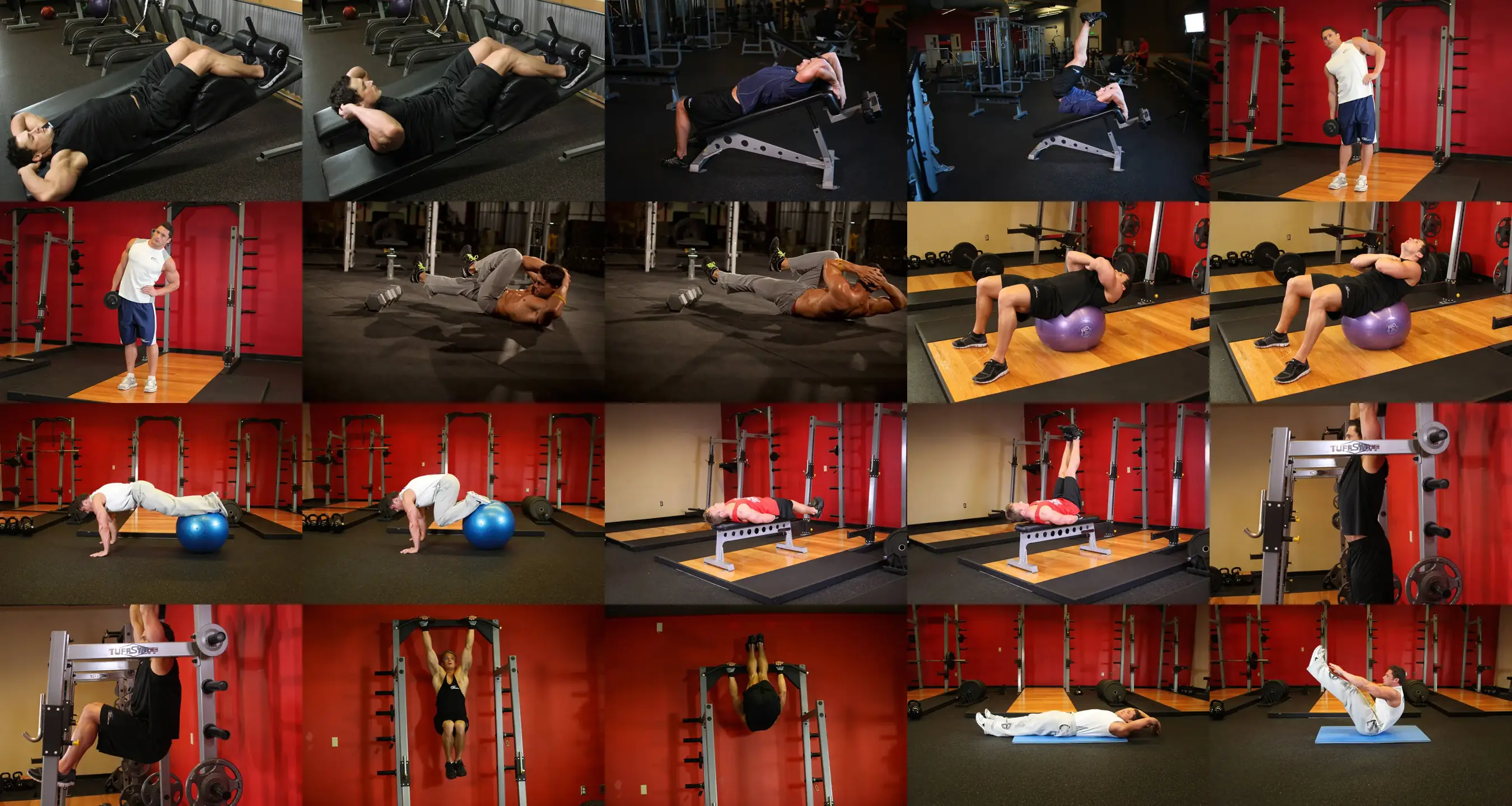
- Sit on the mat with your knees bent, feet flat and hands beside your hips.
- Lengthen your spine, lift your chest and brace your abs as if bracing for a light punch to the stomach.
- Lean your torso back about 45 degrees until your weight shifts onto your glutes, not your tailbone.
- Lift your feet off the floor and raise your shins until they're parallel to the floor, keeping your knees together.
- Reach your arms straight forward at knee height, and straighten your legs only if your spine stays long.
- Hold for the set time with short breaths through your nose, keeping constant tension in your abs.
- To finish, bend your knees, lower your feet with control and rest before the next set.
Form cues
- Chest tall and spine long the whole time
- Weight on your glutes, not your tailbone
- Knees together and shins firm in the air
- Breathe short without letting your abs relax
Common mistakes
- Rounding your back: it loads your lower back; lift your chest and lean back less.
- Holding your breath: it spikes tension and tires you faster; take short, steady breaths.
- Straightening your legs too soon: your back collapses; keep knees bent until your posture is solid.
- Shaking hard or losing the V shape: that's fatigue; shorten the hold or regress.
How to make it easier or harder
If it's too hard, do the boat with bent knees and hands on the floor behind your hips, or practice dead bugs. Once you can hold 40 seconds with straight legs, hold a plate out front, try boat rocks, or move on to the hollow body hold and dynamic V-ups.
Sets and reps for your goal
Core & Stability
3 x 20-30 s3-4 sets of 20-45 seconds or 8-12 slow reps. Rest 45 to 60 seconds.
Neutral spine, tight abs and controlled breathing. Progress in time or leverage before adding weight.
A guide for healthy adults. Adjust the load to your level and see a professional if you have an injury.
Check your form
Film yourself from the side or ask someone to watch, then tick what you get right.
Frequently asked questions
How long should I hold a boat pose?
Start with 3 or 4 sets of 15-20 seconds with clean form. When you can hold 30-40 seconds without rounding your back, move to a harder version instead of just adding time. Posture quality matters more than the clock.
Why do I feel the boat hold in my hip flexors instead of my abs?
Your psoas holds your legs up, so it works hard here. If that's all you feel, bend your knees more, lean back less and focus on bracing your abs. That shifts more of the tension onto your core.
Sports it suits
Gear for this exercise
- Exercise matThick (8-10 mm) for floor work.
As an Amazon Associate, Muscle Atlas earns from qualifying purchases.