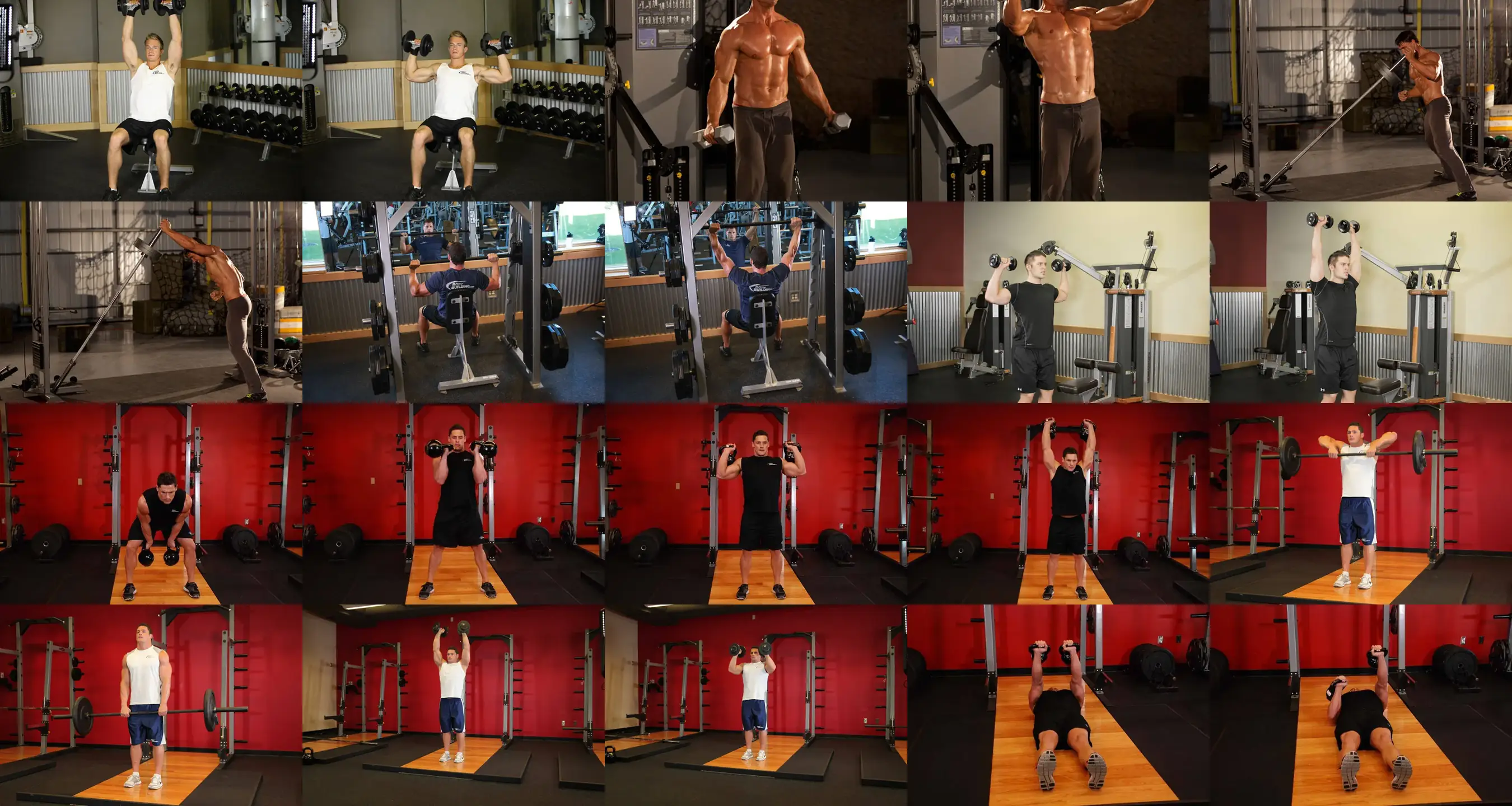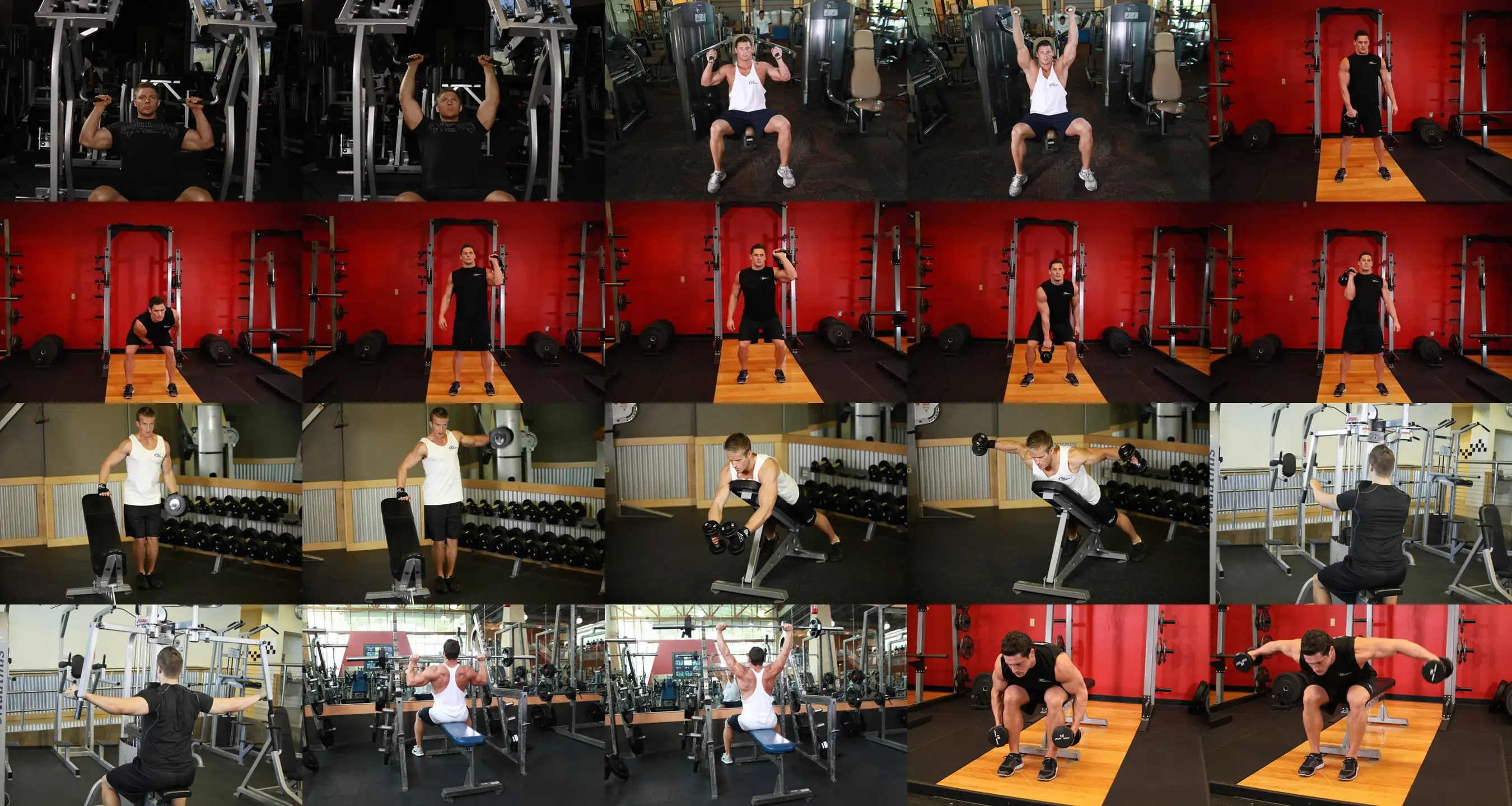
Setup and loading
Adjust the seat height so the handles line up with your shoulders when you sit with your back supported. Select the weight with the pin and choose a load that allows 8 to 15 controlled reps, adding a plate once you hit the top of that range.
How to do the machine shoulder press step by step
- Set the seat and sit with your back and head against the pad and feet on the floor.
- Grab the handles with palms forward or neutral, depending on the model, at shoulder height.
- Take a breath, brace your abs, and exhale as you press the handles up until your arms are nearly straight.
- Pause briefly at the top without slamming the elbows and with shoulders away from your ears.
- Inhale and lower slowly until the handles return to shoulder height, without letting the plates clang.
- Repeat with your back supported and the same range every rep.
Form cues
- Handles at shoulder height
- Back and head on the pad
- Press without slamming lockout
- Plates never touch at the bottom
Common mistakes
- Poor seat setup: handles too high or low change the range; adjust before you start.
- Arching your back to press: the lower back compensates; drop a plate and brace your abs.
- Letting the plates clang: you lose tension and control; stop just before they touch.
- Shrugging as you press: the traps overwork; keep your shoulders down.
How to make it easier or harder
As a regression, use the lightest plate or a shorter pain free range while learning. To progress, add weight, use three second lowering tempos, or move to seated dumbbell presses, which demand more stability.
Sets and reps for your goal
Hypertrophy
3-4 x 8-12 · rest 60-90 s3-4 sets of 6-12 reps (up to 15-20 on isolation exercises) at 65-80% of your max. Rest 1 to 2 minutes.
Get close to failure (0-3 reps in reserve) and control the lowering for 2-3 seconds. Accumulate 10-20 sets per muscle per week.
Max Strength
4-5 x 3-6 · rest 2-3 min3-6 sets of 1-6 reps at 80-90% of your max (1RM). Rest 2 to 5 minutes.
Leave 1-3 reps in reserve. If your technique breaks down, lower the weight: strength is built with good reps.
A guide for healthy adults. Adjust the load to your level and see a professional if you have an injury.
Check your form
Film yourself from the side or ask someone to watch, then tick what you get right.
Frequently asked questions
Is the machine shoulder press better than the barbell version?
It is not better or worse, just different. The machine is safer and more stable, ideal for learning or adding volume. The barbell demands more stabilization and builds general strength. Many programs use both.
What seat height should I use for the machine shoulder press?
The handles should sit roughly at shoulder height, or slightly below, when you are seated with your back supported. Too high and you cut the range; too low and your shoulder starts in a cramped position.