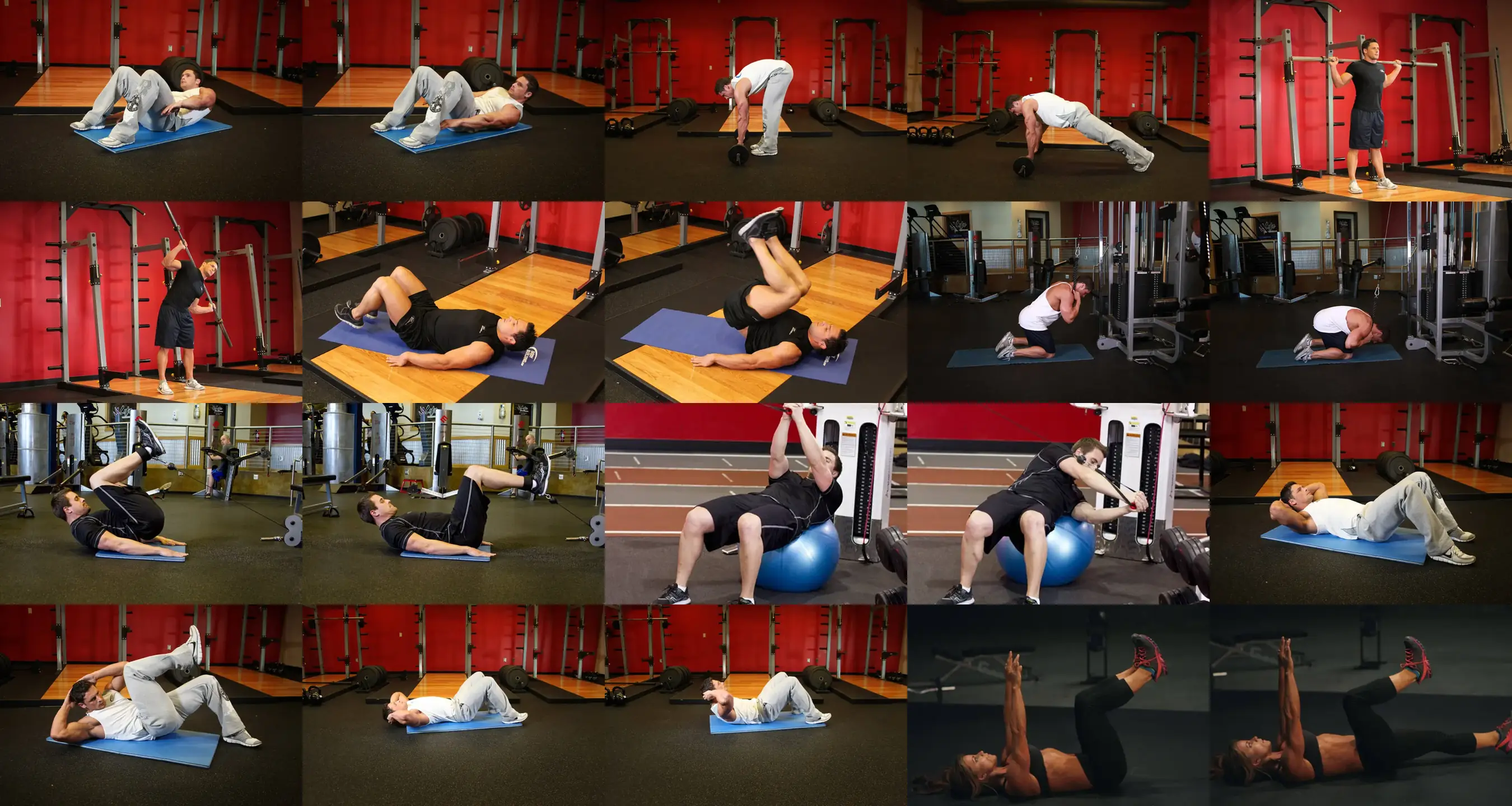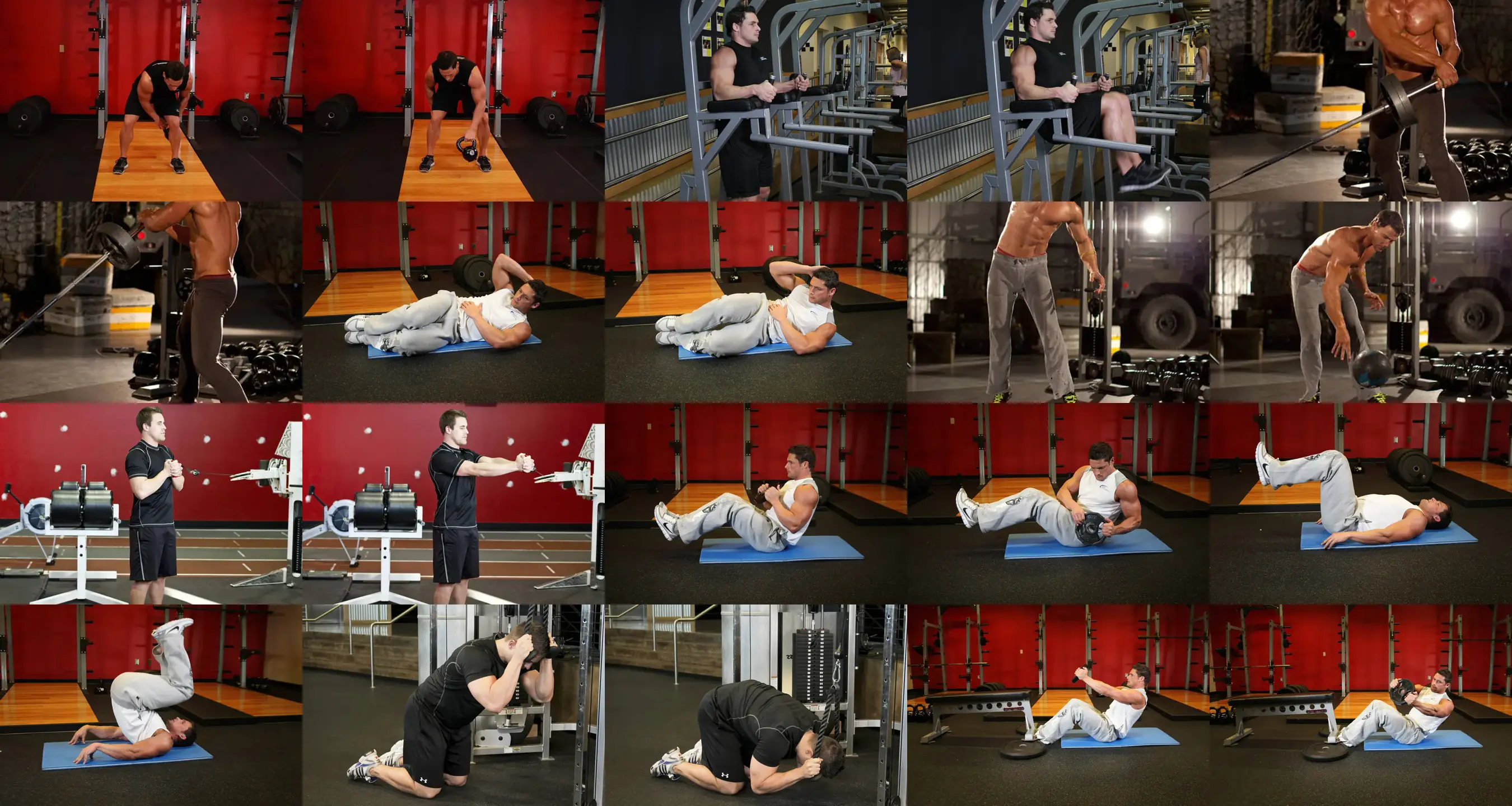
Setup and loading
Grip the bar shoulder-width apart with straight arms; use straps if your grip gives out before your abs. Adjust difficulty with leverage: bent knees are easier, straight legs are harder, and toes to the bar is the hardest.
How to do the hanging leg raise step by step
- Hang from the bar with an overhand grip at shoulder width and your arms fully straight.
- Engage your shoulders by pulling down slightly on the bar and brace your abs to stop any swing.
- Exhale and lift your straight legs together, tilting your pelvis forward at the end of the movement.
- Raise them at least until your legs are parallel to the floor, forming 90 degrees with your torso.
- Hold for one second at the top with your abs squeezed and no swinging.
- Inhale and lower your legs slowly, over two or three seconds, back to a full hang.
Form cues
- Active shoulders, don't hang on your joints
- Think about curling your pelvis toward your belly button
- Lower slower than you lift
- Legs together with toes pointed
Common mistakes
- Swinging to get up: momentum does the work; stop the swing before every rep.
- Lifting legs without tilting the pelvis: hip flexors take over; curl your hips at the top.
- Dropping your legs: you skip the eccentric; control the descent over two or three seconds.
- Arching your lower back in the hang: it stresses your back; keep your abs braced at the bottom too.
How to make it easier or harder
To regress, do hanging knee raises or captain's chair leg raises with forearm support. To progress, bring your toes to the bar (toes to bar), hold a dumbbell between your feet, or hold an L-sit position for several seconds.
Sets and reps for your goal
Hypertrophy
3 x 10-15 · rest 60 s3-4 sets of 6-12 reps (up to 15-20 on isolation exercises) at 65-80% of your max. Rest 1 to 2 minutes.
Get close to failure (0-3 reps in reserve) and control the lowering for 2-3 seconds. Accumulate 10-20 sets per muscle per week.
A guide for healthy adults. Adjust the load to your level and see a professional if you have an injury.
Check your form
Film yourself from the side or ask someone to watch, then tick what you get right.
Frequently asked questions
Why do I feel hanging leg raises more in my hips than my abs?
If you only lift your legs without curling your pelvis, your hip flexors do most of the work. To hit your abs more, think about bringing your pubic bone toward your belly button at the top and cut the swing. Bending your knees helps at first too.
What if my grip gives out before my abs?
Use lifting straps or ab slings so you rely less on hand strength, or switch to the captain's chair version with forearm support. Meanwhile, train your grip separately with dead hangs or farmer's walks.
Sports it suits
Gear for this exercise
- Exercise matThick (8-10 mm) for floor work.
- Pull-up barWall-mounted beats doorway if you plan to add weight.
As an Amazon Associate, Muscle Atlas earns from qualifying purchases.