Setup and loading
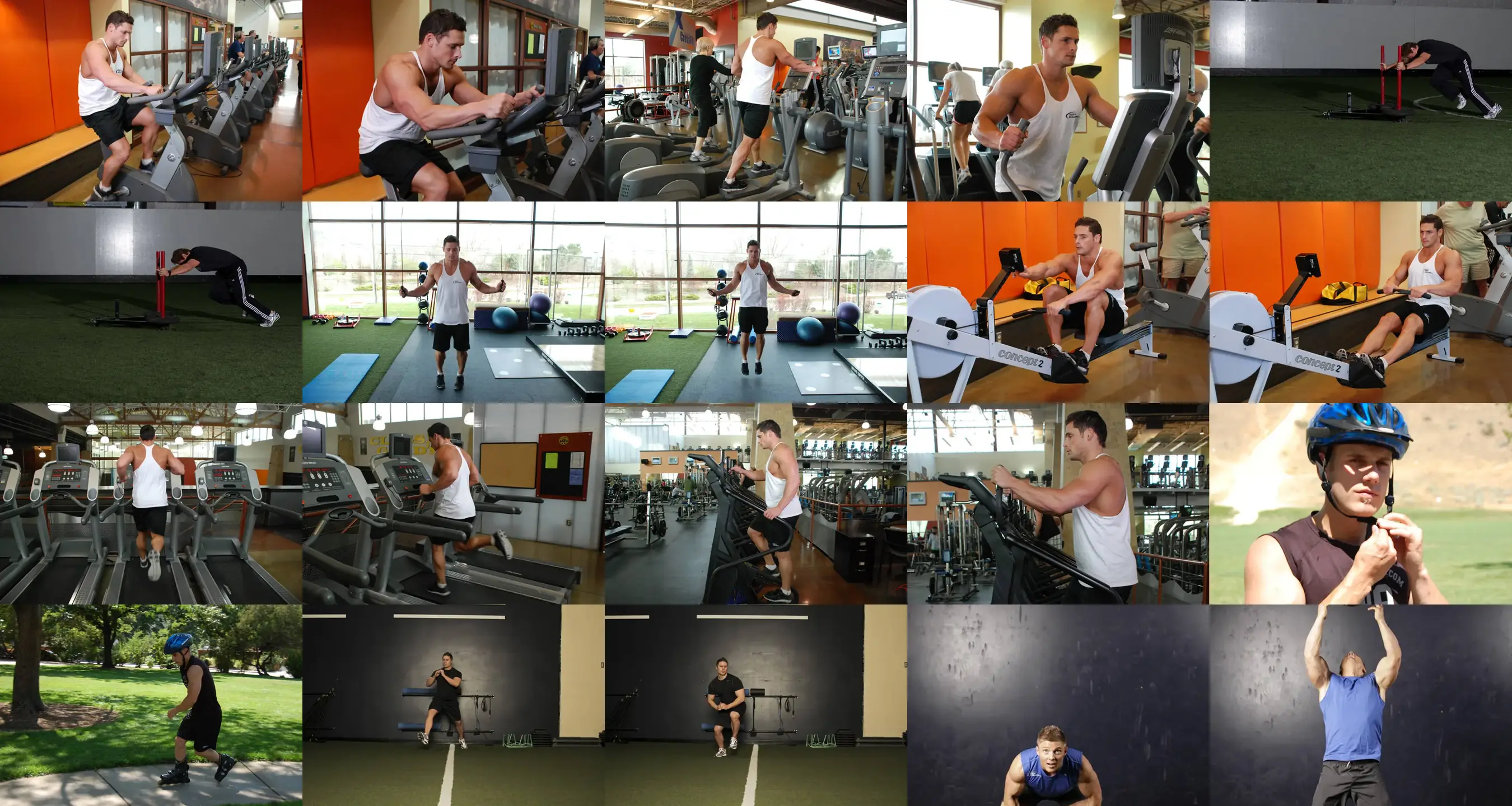
Set the belt to a 1 percent incline to make up for the lack of wind and get closer to outdoor effort. Pick a speed that lets you hold a conversation on easy runs and save fast paces for short intervals.
How to do the treadmill running step by step
- Stand on the side rails, clip the safety key to your clothing, and start the belt at walking speed.
- Step onto the belt and walk for three to five minutes, raising the speed gradually.
- Run in the middle of the belt with a tall torso, leaning slightly from the ankles rather than the waist.
- Land with your foot under your hips using a short, quick stride instead of reaching out in front.
- Swing your arms from the shoulder with elbows near 90 degrees and breathe rhythmically, such as three steps in and two out.
- Slow to a walk for two or three minutes when you finish and stop the belt before stepping off.
Form cues
- Land under your hips, not in front
- Short stride with a quick cadence
- Relaxed shoulders, arms drive back
- Eyes forward, not on your feet
Common mistakes
- Holding the handrails: it changes your mechanics and lowers the real effort; slow down until you run freely.
- Overstriding: your heel brakes each step and stresses the knee; shorten the stride and raise cadence.
- Running too close to the front: you kick the motor housing and hunch; stay centered on the belt.
- Stepping off a moving belt: it can cause a fall; use the side rails and the safety key.
How to make it easier or harder
If you are starting from zero, alternate one minute jogging with two minutes walking, or walk at a 5 to 10 percent incline. To progress, lengthen runs by about 10 percent per week or add 400 to 1000 meter repeats at a faster pace and incline hill intervals.
Sets and reps for your goal
Endurance
20-45 min easy or intervals 6-10 x 1 min2-4 sets of 15-30 reps or 30-60 seconds at 40-60% of your max. Rest 30 to 60 seconds.
Steady pace and clean technique to the end. Circuits help you build volume with little rest.
A guide for healthy adults. Adjust the load to your level and see a professional if you have an injury.
Check your form
Film yourself from the side or ask someone to watch, then tick what you get right.
Frequently asked questions
What incline should you use on a treadmill to match outdoor running?
A 1 percent incline is the common reference to offset the missing air resistance at moderate paces. At slow speeds the difference is small, so you do not need to obsess over that exact number.
Is running on a treadmill easier than running outside?
It is usually a bit easier because the belt helps move your legs and there is no wind or uneven ground. The steady pace can feel harder mentally, though, even when it costs slightly less physically.