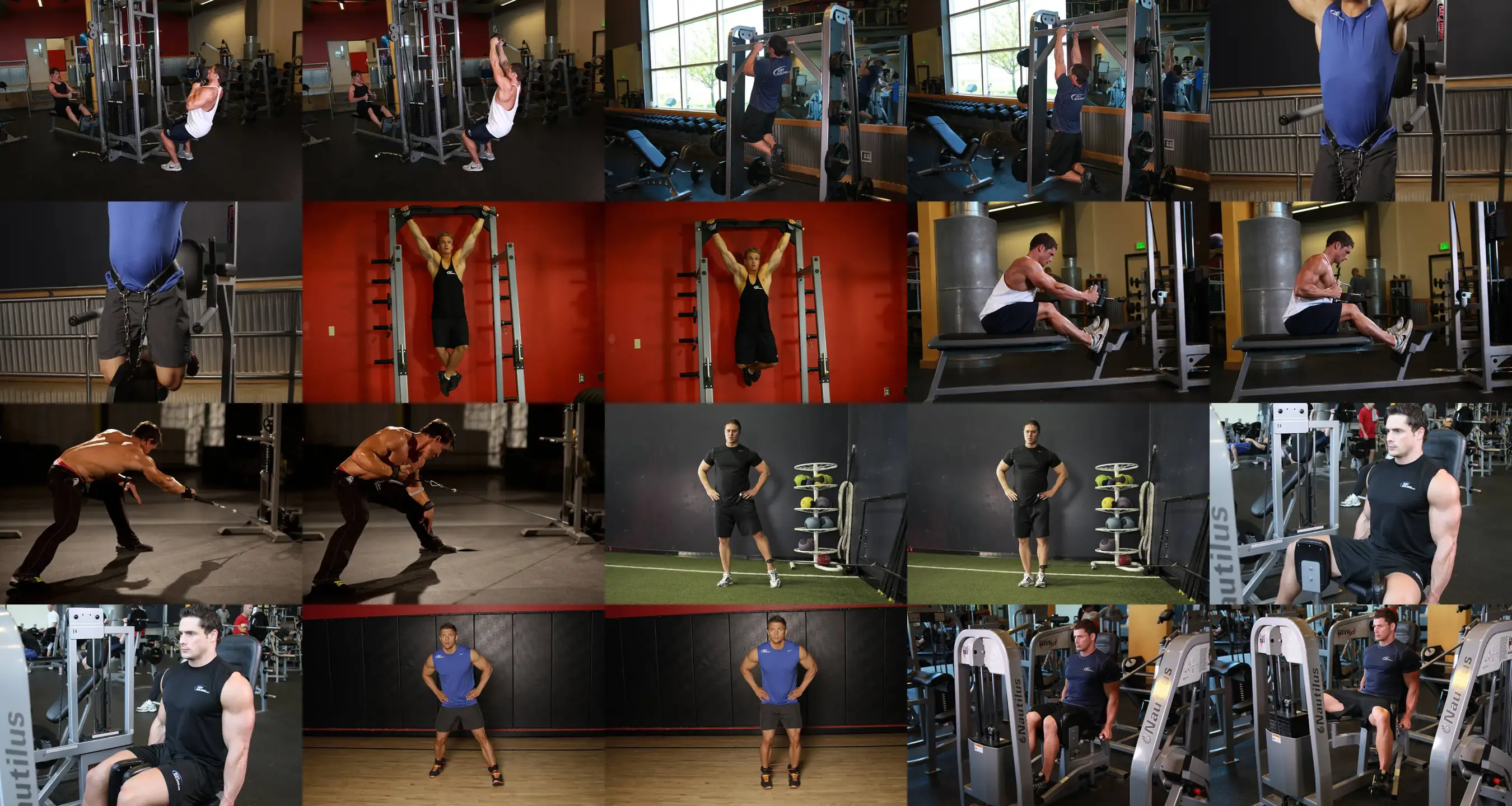
Setup and loading
Put a mini band around your ankles, or one above your knees and one at your ankles for more challenge. Start with a light band and increase resistance or distance once you can keep tension without your knees caving.
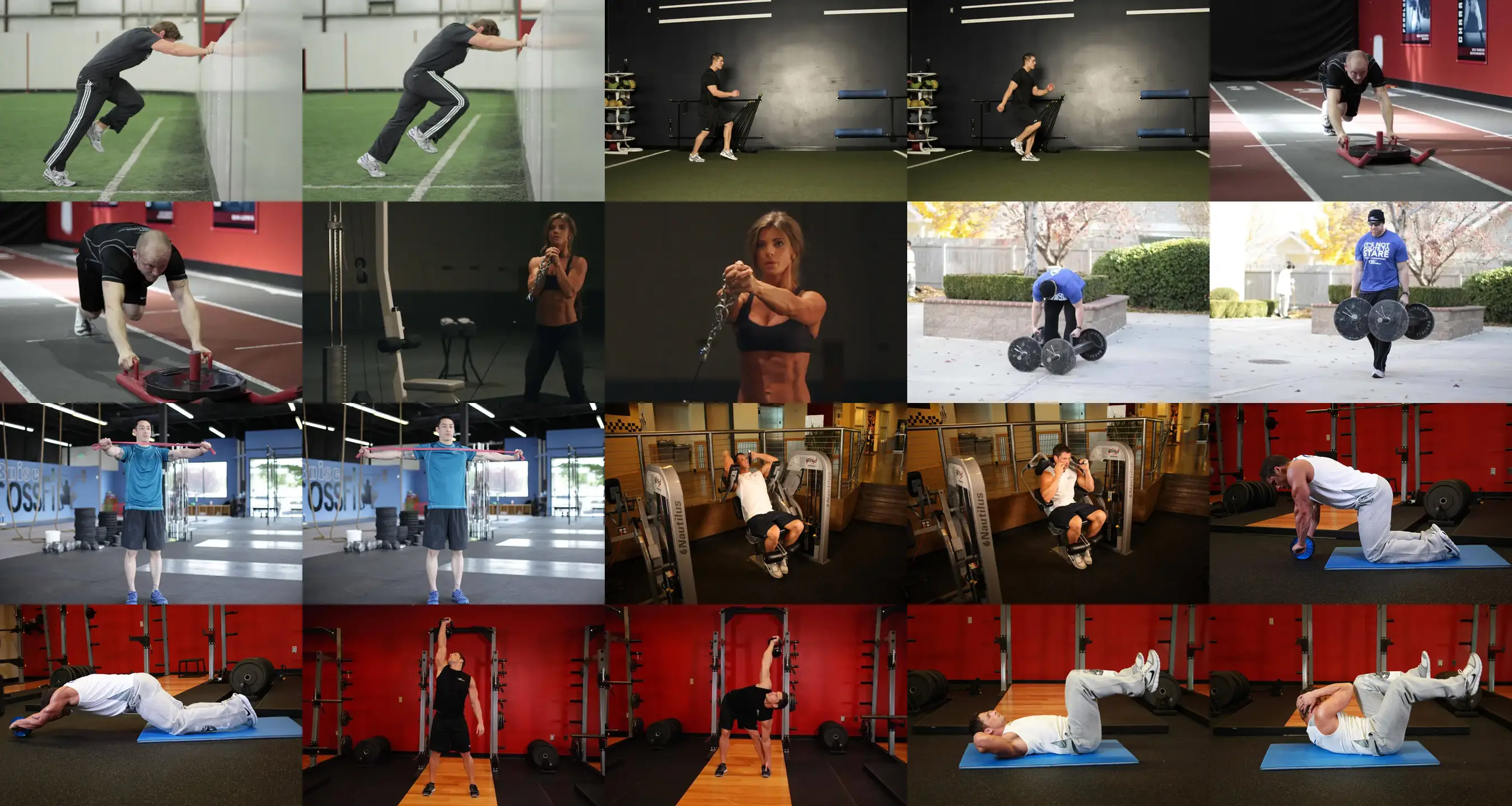
How to do the banded monster walk step by step
- Place the band around your ankles, or one band above your knees and one at your ankles.
- Set your feet hip-width apart to tension the band and bend slightly at your hips and knees.
- Keep your chest up, core braced, and hands on your hips or in front of you.
- Take a short step forward and out on a diagonal with one leg, without letting the band go slack.
- Follow with the other leg on a diagonal, breathing steadily, for about 10 to 15 steps.
- Walk backward with the same diagonal pattern, always keeping your feet apart.
Form cues
- Band stays tight the whole time
- Knees push out over your toes
- Hold a quarter squat, never stand tall
- Short, controlled steps without dragging your feet
Common mistakes
- Knees caving in: it shuts off the glute medius; push them out.
- Torso swaying side to side: your hips compensate; keep your trunk still.
- Steps too long: less control and tension; shorten your stride.
- Standing up straight: less activation; keep your hips and knees bent.
How to make it easier or harder
To start, use a light band only above your knees or do simple lateral steps. To progress, move the band down to your ankles or feet, use a stronger band, sit into a deeper squat, or cover more distance.
Sets and reps for your goal
Hypertrophy
3-4 x 8-12 · rest 60-90 s3-4 sets of 6-12 reps (up to 15-20 on isolation exercises) at 65-80% of your max. Rest 1 to 2 minutes.
Get close to failure (0-3 reps in reserve) and control the lowering for 2-3 seconds. Accumulate 10-20 sets per muscle per week.
Max Strength
4-5 x 3-6 · rest 2-3 min3-6 sets of 1-6 reps at 80-90% of your max (1RM). Rest 2 to 5 minutes.
Leave 1-3 reps in reserve. If your technique breaks down, lower the weight: strength is built with good reps.
Injury Prevention
2-3 x 10-15 slow2-3 sets of 10-15 slow reps with a light or moderate load, 2-3 times per week.
Control the lowering (about 3 seconds). This is quality work, not fatigue work: finish every set feeling good.
A guide for healthy adults. Adjust the load to your level and see a professional if you have an injury.
Check your form
Film yourself from the side or ask someone to watch, then tick what you get right.
Frequently asked questions
Where should the band go for monster walks?
The lower it sits, the harder it gets: above the knees is easiest, at the ankles is moderate, and around the feet is toughest. Start where you can keep your knees aligned and move the band lower as control improves.
Are monster walks a good warm-up?
Yes. They are common before squats, deadlifts, or runs because they wake up your glutes and help you feel knee control. Two or three short trips are usually enough without tiring you out for your main workout.
Sports it suits
Gear for this exercise
- Resistance bandsSeveral strengths to progress and warm up before training.
As an Amazon Associate, Muscle Atlas earns from qualifying purchases.