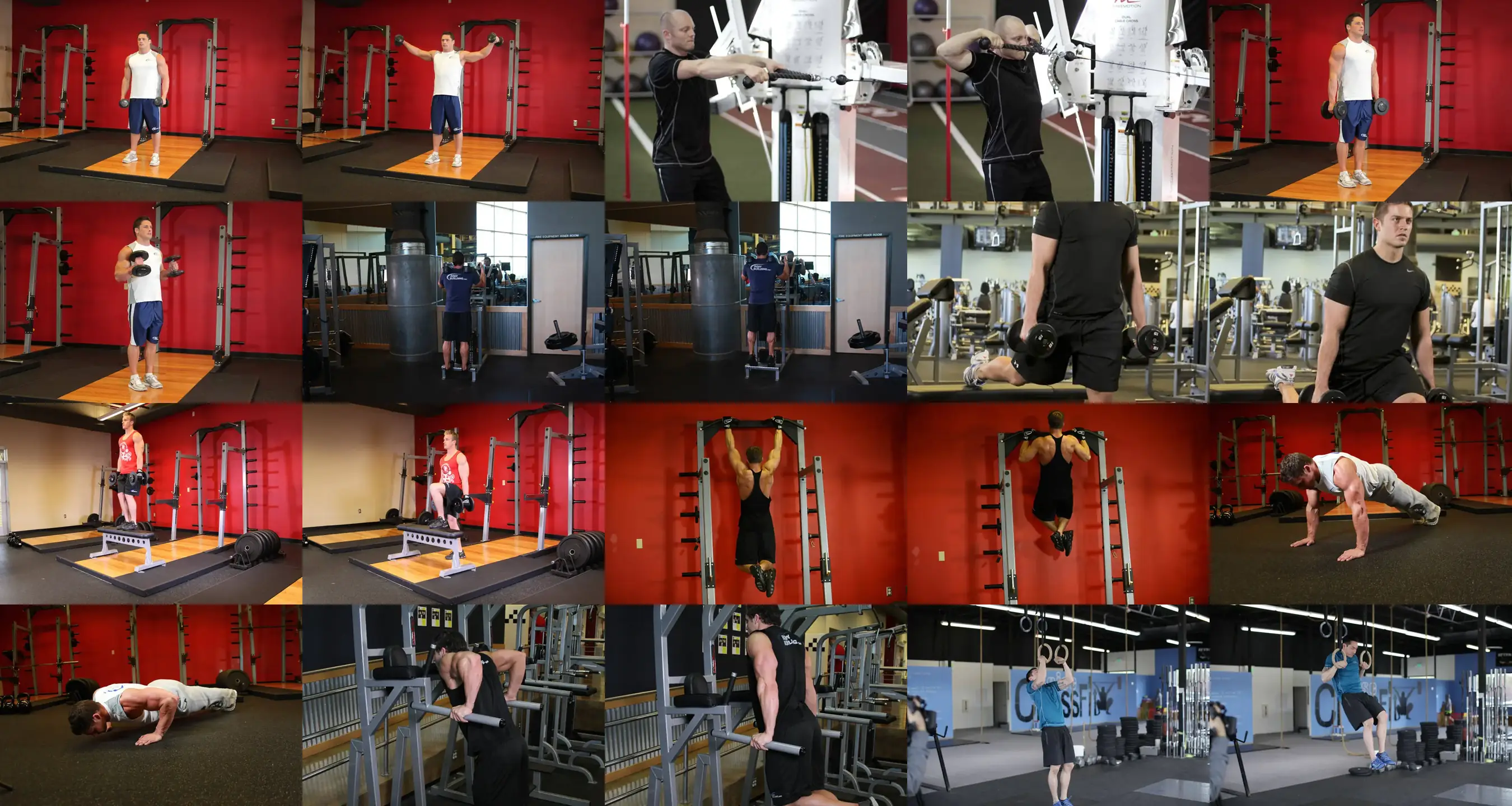
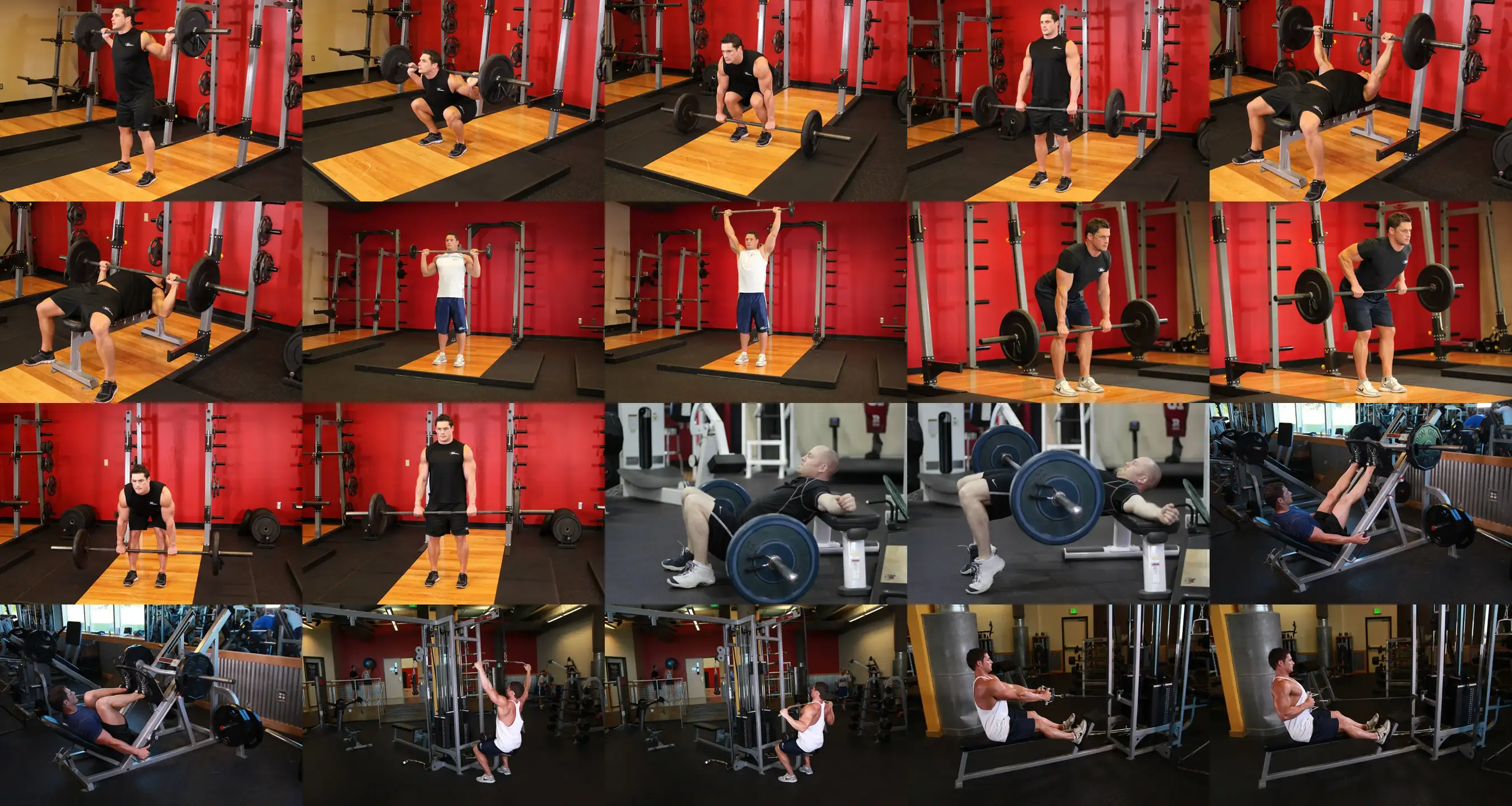
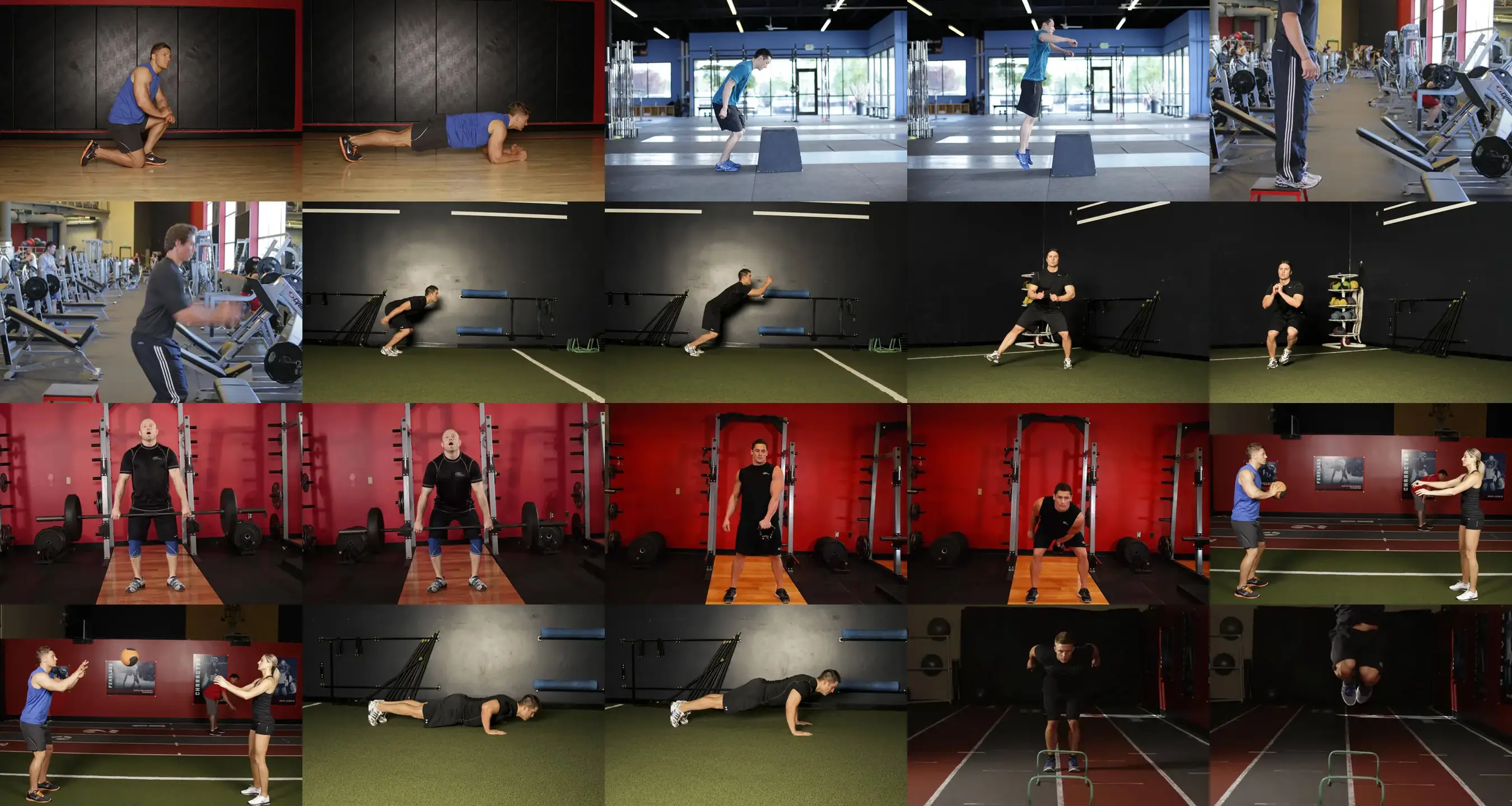
8 weeks · 2 sessions/wk
Strength for runners
A more efficient stride, tougher calves and tendons and fewer injuries, without cutting miles.
€19.99See program
Buy · €19.99Running · Running shoes
Some links in our articles are affiliate links: if you buy through them, Muscle Atlas earns a small commission at no extra cost to you. It never changes our verdict. Learn more.
Your daily trainer racks up more miles than any other shoe. That's why the foam, drop and stability matter more than the colorway. We picked seven benchmark models from Bikila and a budget option from Decathlon. All are neutral and built for everyday running. Weight, stack and drop are RunRepeat lab measurements (around men's US 9), except for the Kiprun, which uses manufacturer data. Prices from Spanish/European stores on October 5, 2026.
| Shoe | Price | Weight / drop | Best for |
|---|---|---|---|
| ASICS Gel-Nimbus 28 | €159.95 | 278 g / 5.2 mm | Max softness and heavier runners |
| Brooks Glycerin 23 | €154.95 | 303 g / 8.2 mm | Comfort on slow runs |
| ASICS Novablast 6 | €144.95 | 249 g / 7.1 mm | One shoe for easy runs and light speed |
| Nike Vomero 18 | €115.95 | 298 g / 13.9 mm | Heel strikers who want max cushion |
| Saucony Ride 19 | €111.95 | 278 g / 8.5 mm | Stable, balanced all-rounder |
| Hoka Clifton 10 | €109.95 | 275 g / 12.4 mm | Long runs with lots of cushion |
| Brooks Ghost 17 | €99.95 | 289 g / 10.4 mm | Classic, predictable daily miles |
| Kiprun KipRide Max | €89.99 | 271 g / 6 mm | Max cushion on a budget |
Foam sets the feel. Supercritical, PEBA and eTPU foams (ZoomX, FF Blast Max, PWRRUN+) are lighter and bouncier. Classic EVA is firmer and a bit heavier, but stable and cheap.
Stack is the midsole thickness. Above 35 mm at the heel, we're talking max-cushion shoes: they protect your joints more on long runs.
Drop is the height difference between heel and forefoot. An 8-12 mm drop offloads the calf and Achilles and helps heel strikers. A low drop (4-6 mm) shifts more load to the forefoot. Change drop gradually.
Heads up: lab-measured drop can differ a lot from the official number. The Clifton 10 claims 8 mm and measures 12.4 mm; the Vomero 18 measures 13.9 mm.
All eight shoes here are neutral, with no pronation-control elements. They work for most runners, including mild overpronators.
If you overpronate significantly or a podiatrist has told you so, look at the stability version of each brand's lineup.
Prioritize a wide platform and a high stack. The Gel-Nimbus 28 (119 mm wide at the forefoot), the Ride 19 and the Vomero 18 are the best picks for heavier runners.
The Novablast 6 has plenty of cushion, but its platform is narrower than the previous version. If you need stability, try it on first.
More body weight compresses foam faster. Plan to replace your shoes at the low end of the usual 370-500 mile range.
€159.95
For runners who want maximum softness on long runs, and for heavier runners.
€154.95
For runners who put comfort first on slow and recovery runs.
€144.95
For runners who want one shoe for easy miles and the occasional faster effort.
€115.95
For heel strikers and heavier runners who want lots of cushion at a good price.
€111.95
For runners who want a balanced, stable shoe for every kind of easy run.
€109.95
For long runs and runners who want plenty of cushion under the heel.
€99.95
For runners who want a classic, no-surprises daily trainer under €100.
€89.99
The budget pick for max cushioning under €90.
If you want maximum softness or weigh over 190 lb, the ASICS Gel-Nimbus 28 is the most complete shoe here. If you want one shoe for easy runs and some faster work, the Novablast 6 is the lightest and most versatile. The best value is the Saucony Ride 19 at €111.95. Heel strikers who want lots of cushion should look at the Vomero 18 or the Clifton 10. On a tight budget, the Kiprun KipRide Max does the job for €89.99.
Around 370 to 500 miles (600-800 km). Very soft foams and heavier runners land at the low end. If cushioning feels flat or new aches show up, it's time to replace them.
Leave about a thumb's width (0.2-0.4 in) between your longest toe and the end of the shoe. Many runners go a half size up from their casual shoes, since feet swell on the run.
There's no single best drop. An 8-10 mm drop usually works for heel strikers or runners with calf issues. If you go lower, transition gradually.
Yes, but look for a wide base as well as a high stack. The Gel-Nimbus 28, Ride 19 and Vomero 18 are the most stable shoes on this list.
8-week plans with sets, reps and progression, built for your sport. Includes a downloadable PDF.
A more efficient stride, tougher calves and tendons and fewer injuries, without cutting miles.