Setup and loading
Sit at a low cable row station with feet on the platform, knees slightly bent, and a single handle clipped to the cable. Pick a weight for 10 to 15 reps per side that you can move without leaning back.
How to do the seated one-arm cable row step by step
- Attach a D-handle to the low pulley, sit with your feet on the platform and knees slightly bent, and grab the handle with one hand.
- Sit tall with your arm straight and let your shoulder reach forward slightly to stretch the lat.
- Exhale and pull the handle toward your side, driving your elbow back and close to your body.
- Squeeze your shoulder blade for one second with your torso nearly still, allowing only minimal rotation.
- Inhale and extend your arm slowly, letting the shoulder blade spread without folding forward.
- Finish your reps and switch arms with the same weight.
Form cues
- Torso tall and steady
- Elbow tight, toward your hip
- Reach forward into the stretch
- Free hand on your thigh or knee
Common mistakes
- Twisting a lot: rotation replaces back work; limit turning to a few degrees.
- Leaning back to pull: you rely on momentum; reduce load and stay upright.
- Shrugging as you pull: the upper traps take over; drop your shoulder before every rep.
- Fully locked knees: it pulls on your lower back; keep a slight bend.
How to make it easier or harder
To make it easier, do two-handed seated cable rows with a V-handle or a supported machine row. To progress, increase the load, pause for two seconds at the squeeze, or try a standing one-arm row at a mid-height cable.
Sets and reps for your goal
Hypertrophy
3-4 x 8-12 · rest 60-90 s3-4 sets of 6-12 reps (up to 15-20 on isolation exercises) at 65-80% of your max. Rest 1 to 2 minutes.
Get close to failure (0-3 reps in reserve) and control the lowering for 2-3 seconds. Accumulate 10-20 sets per muscle per week.
Max Strength
4-5 x 3-6 · rest 2-3 min3-6 sets of 1-6 reps at 80-90% of your max (1RM). Rest 2 to 5 minutes.
Leave 1-3 reps in reserve. If your technique breaks down, lower the weight: strength is built with good reps.
A guide for healthy adults. Adjust the load to your level and see a professional if you have an injury.
Check your form
Film yourself from the side or ask someone to watch, then tick what you get right.
Frequently asked questions
Why do one-arm cable rows?
Training one arm at a time allows more range, helps even out strength between sides, and makes it easier to feel your lats. It also lets you add a small rotation that deepens the stretch without loading your lower back.
Should you rotate during a one-arm row?
A small, controlled rotation at the end of the stretch is fine and can increase range. The problem is using rotation to move the weight. If you twist a lot to pull, the load is too heavy.
Sports it suits
Variations and similar exercises
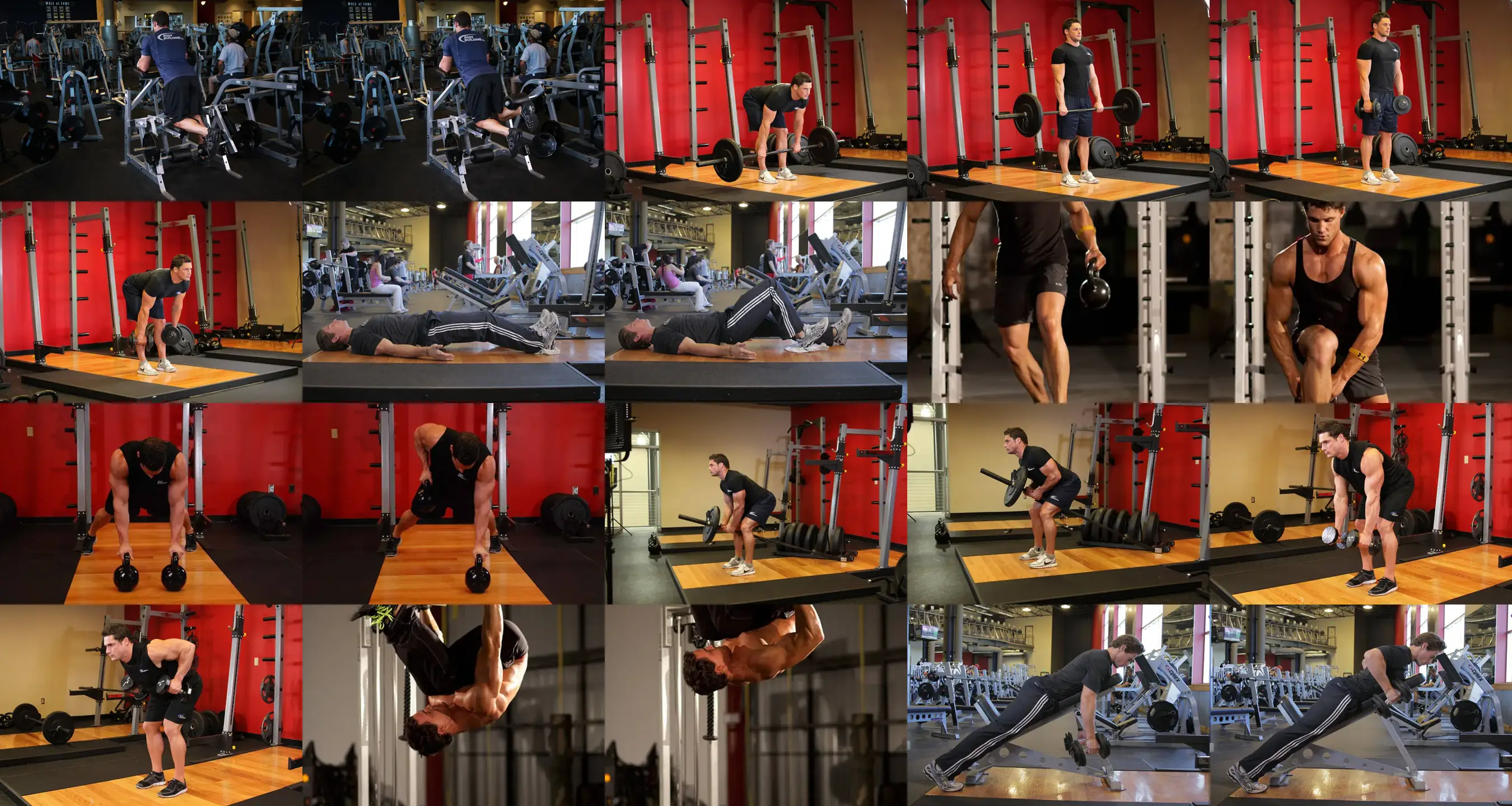
Alternating Renegade Row
Landmine T-Bar Row
Bent-Over Dumbbell Row
Bodyweight Bar Row
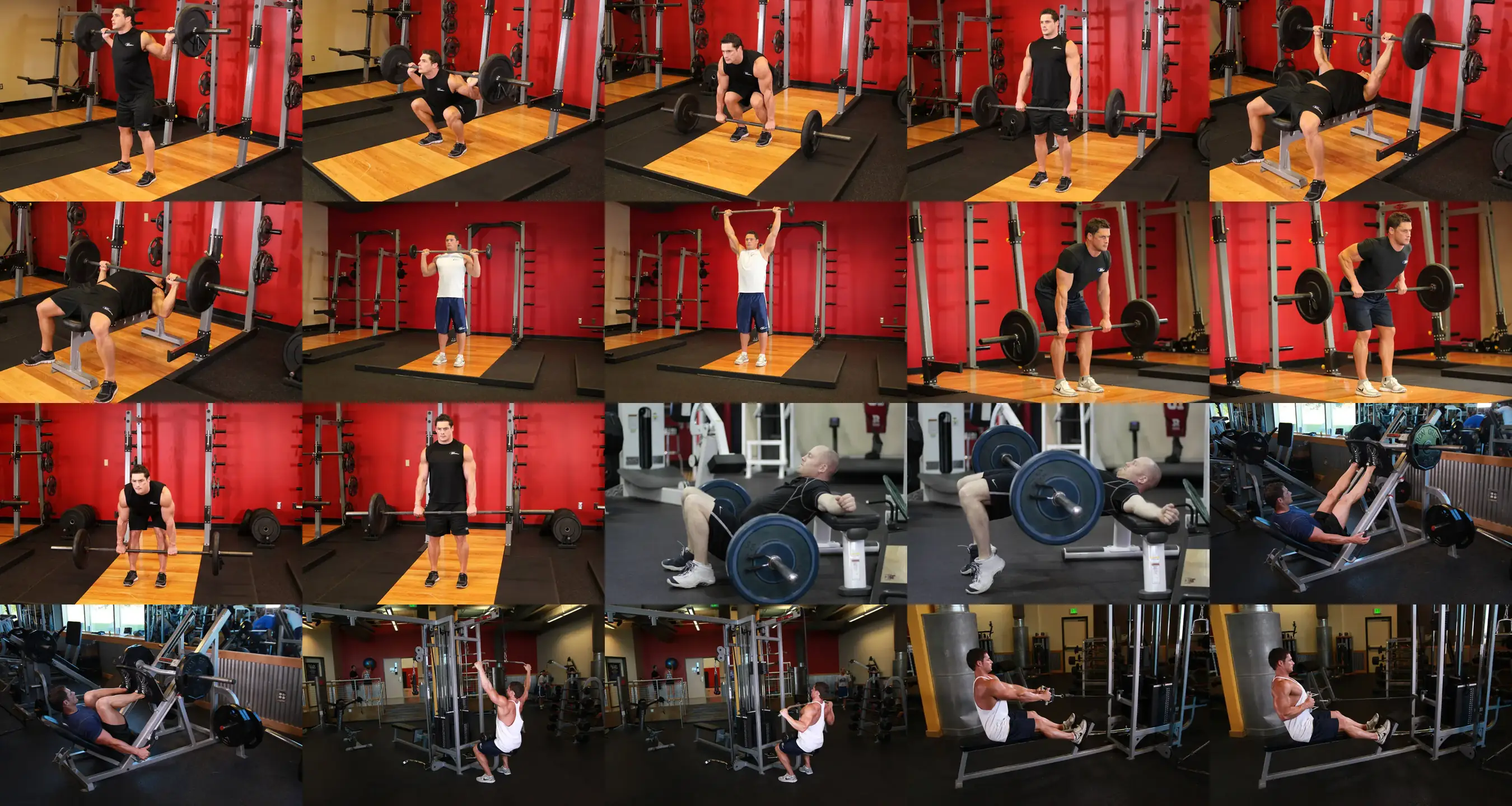
Bent-Over Barbell Row
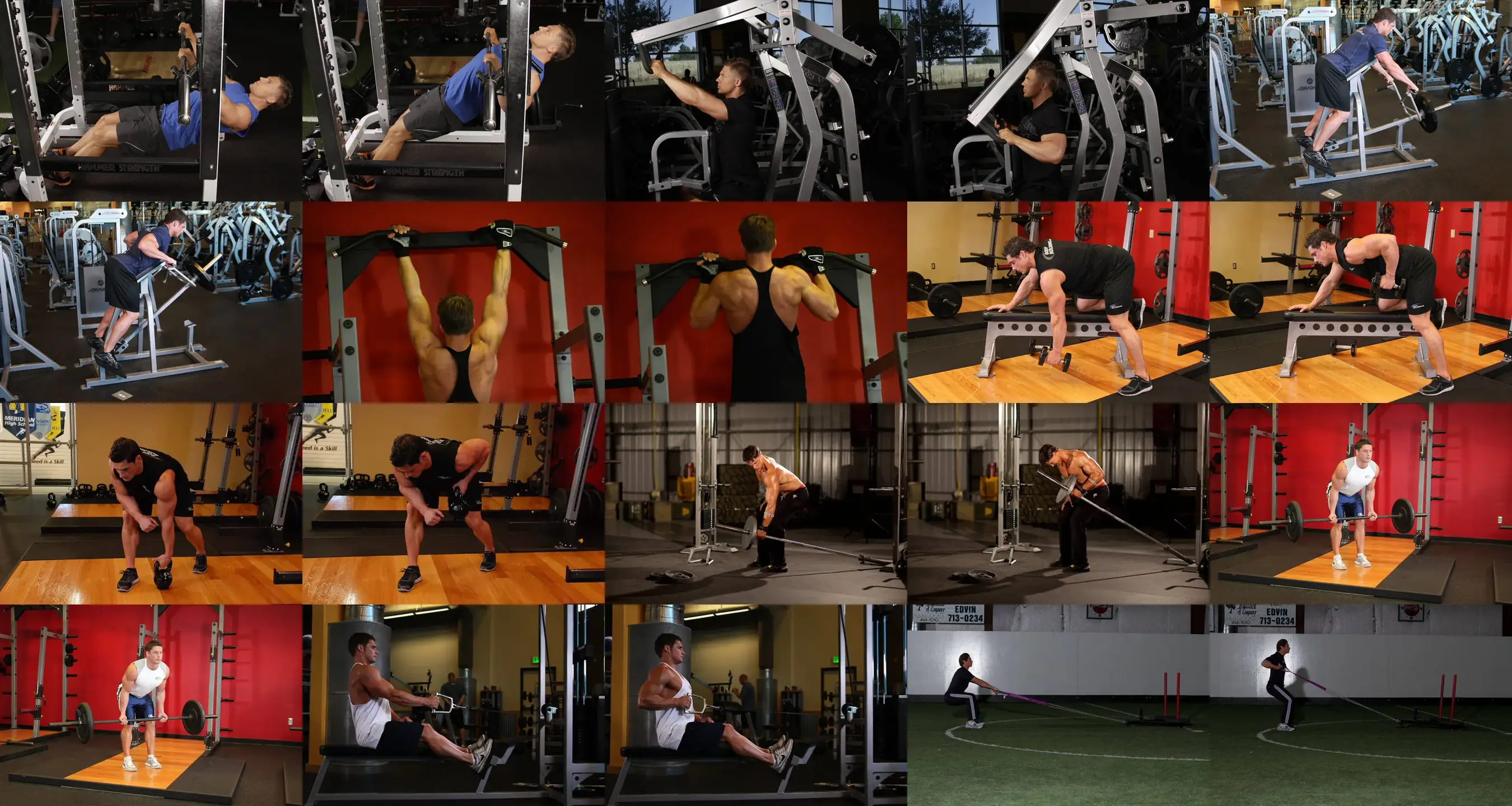
Chest-Supported T-Bar Row
One-Arm Kettlebell Row