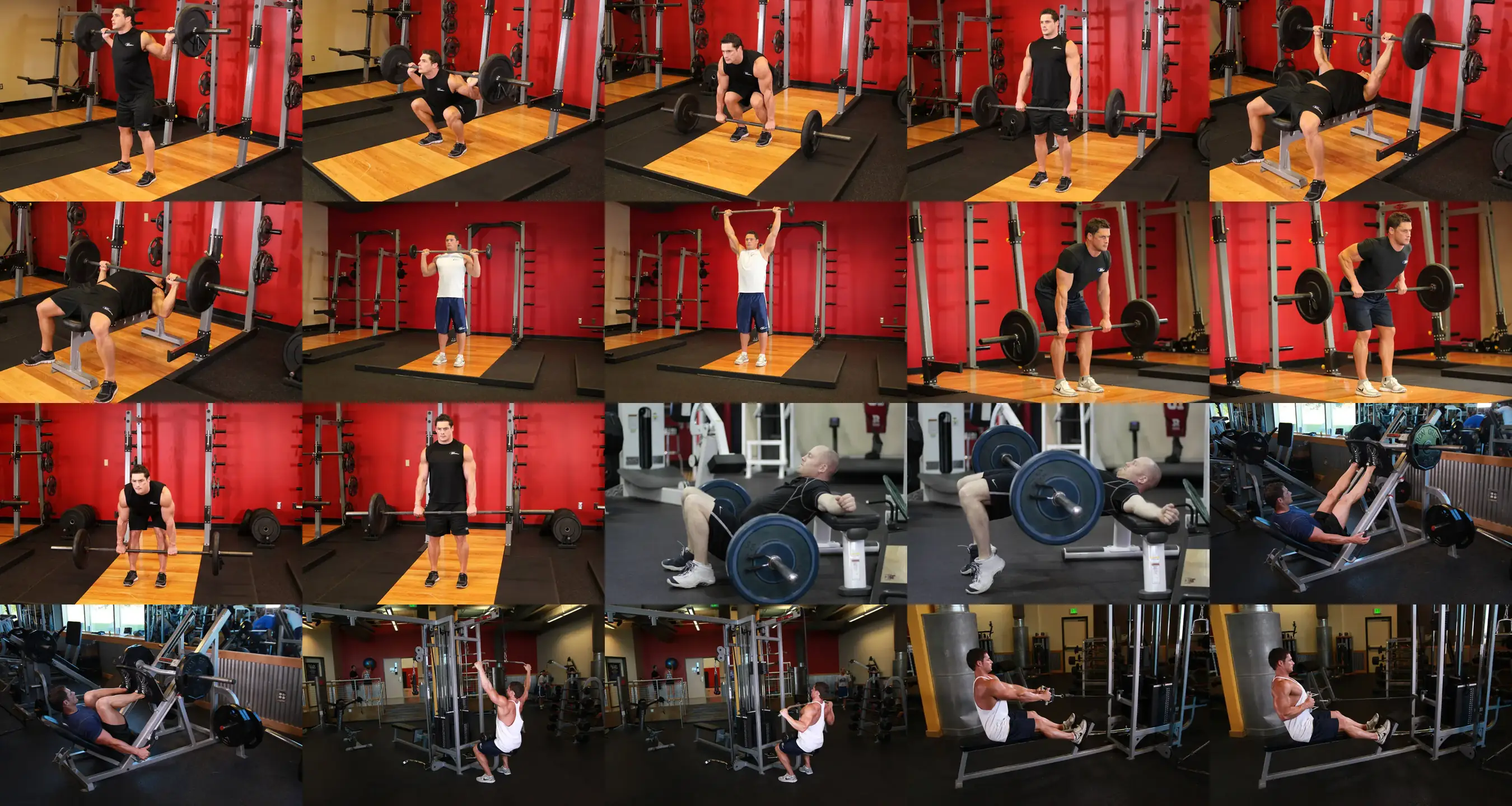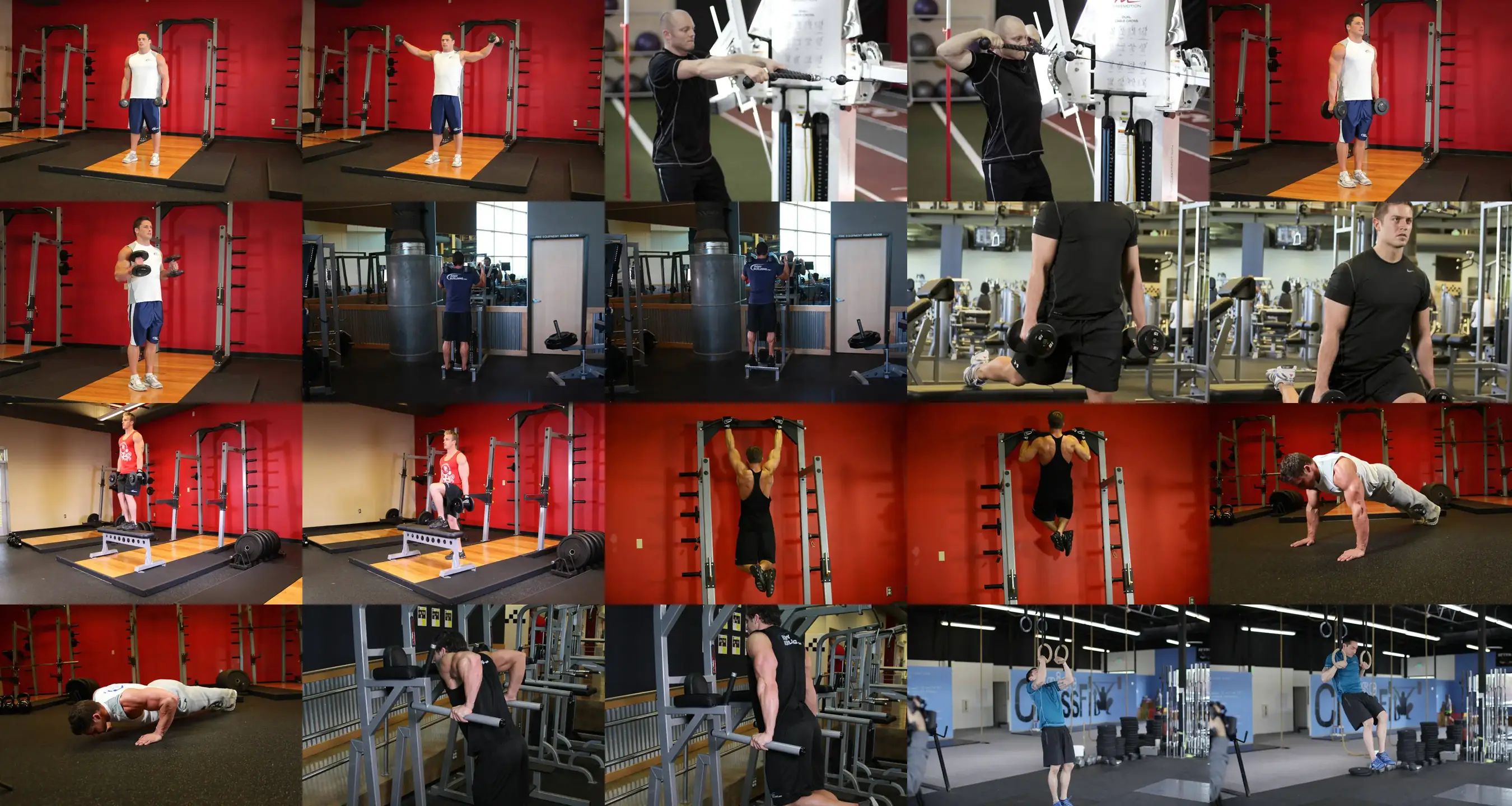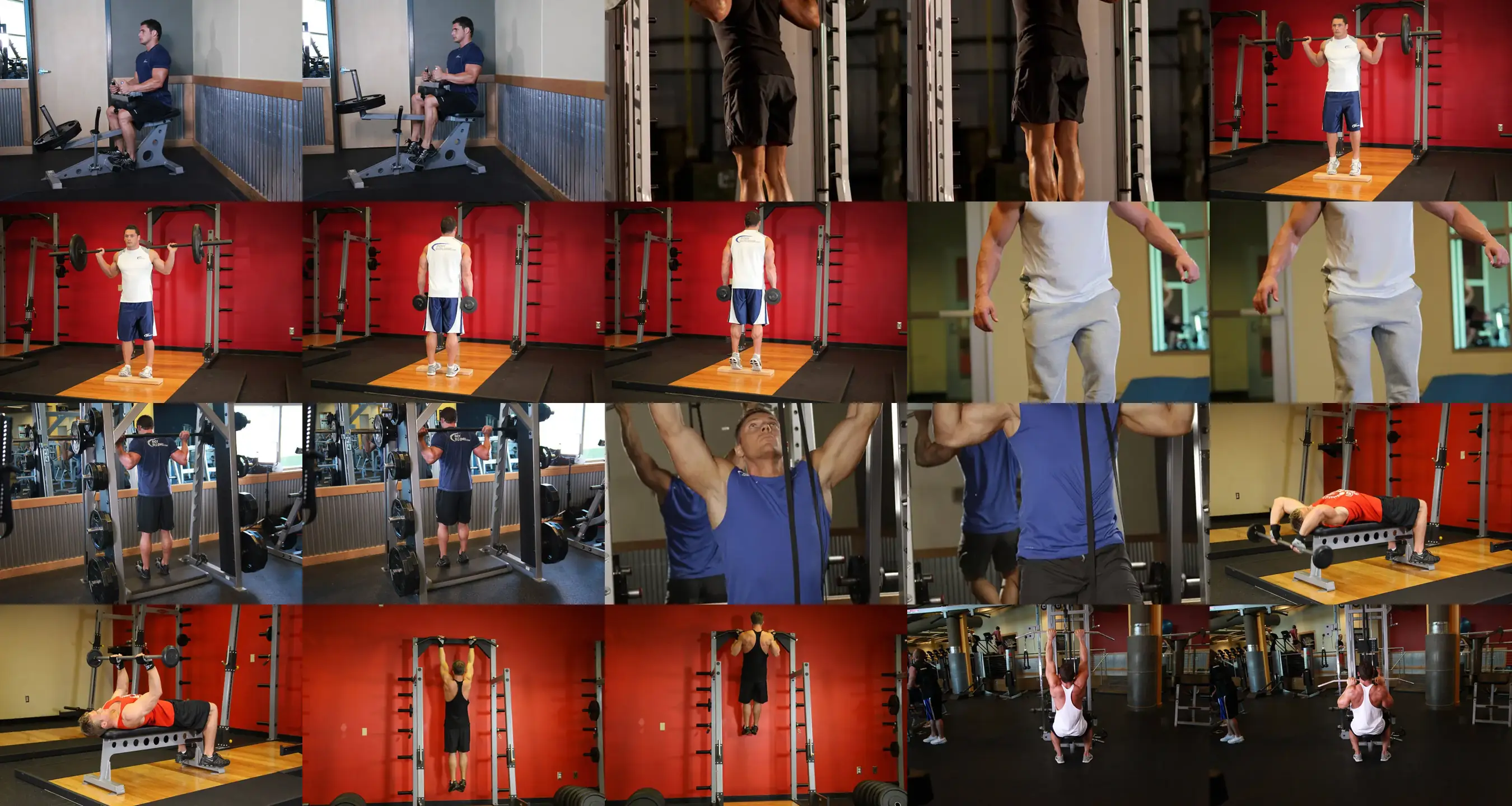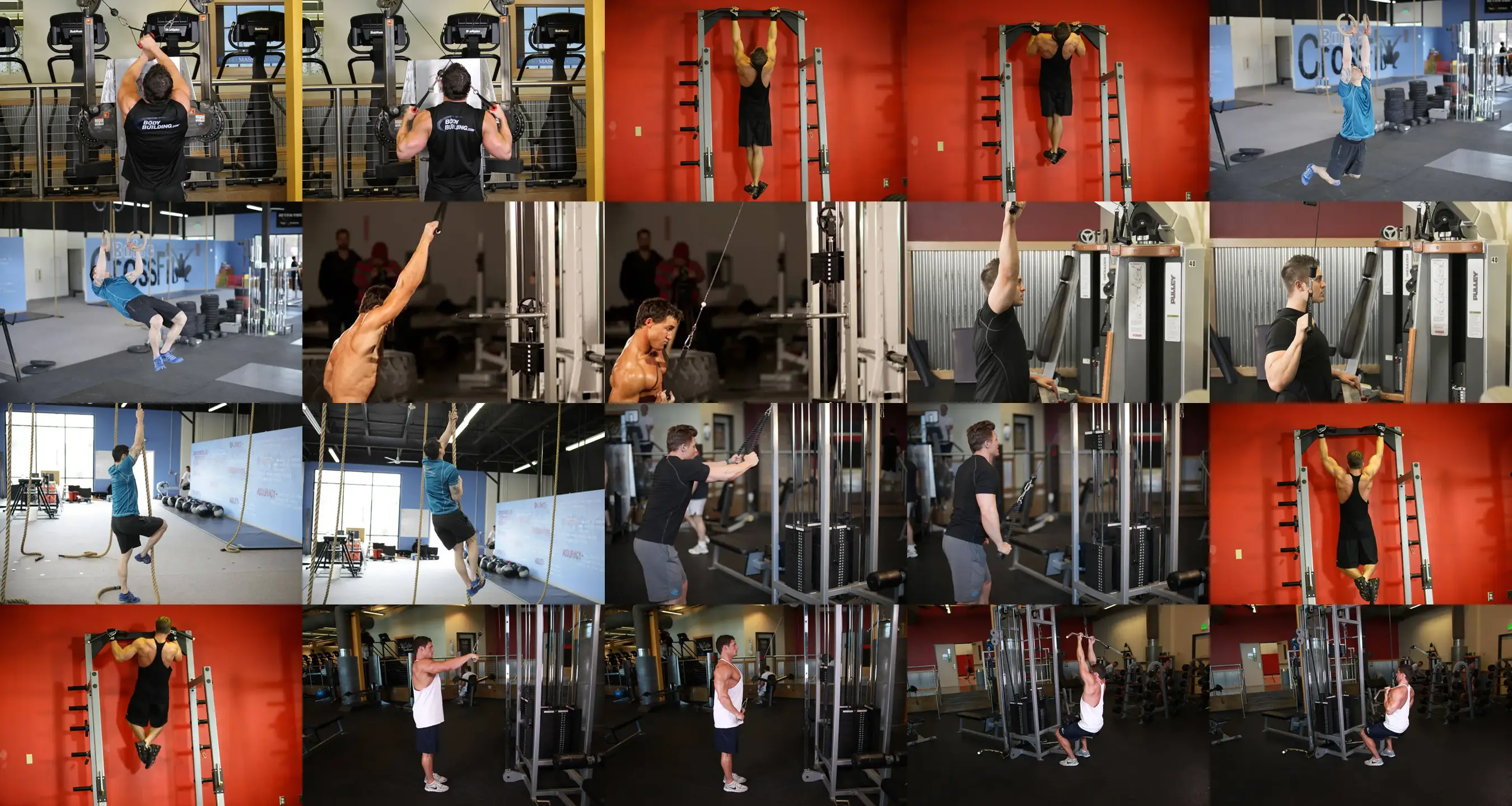
Setup and loading
Use a fixed bar with a shoulder-width underhand grip and enough room to lean your body back. If you cannot get 5 clean reps, use a band; if you can do more than 10, add weight with a dip belt.
How to do the gironda sternum chin-up step by step
- Hang from the bar with a shoulder-width underhand grip, arms fully straight, and legs together or crossed behind you.
- Breathe in, brace your abs, and pull your shoulder blades down before bending your elbows so the pull starts from your back.
- Pull while leaning your torso back and arching your upper back, aiming your chest at the bar instead of your chin.
- Keep pulling until your lower sternum touches the bar and your elbows sit behind your torso, pointing almost straight down.
- Hold for one second at the top while squeezing your shoulder blades, then exhale under control.
- Lower over about three seconds, keeping the lean, until your arms are fully straight before starting the next rep.
Form cues
- Look at the ceiling and bring your sternum up
- Drive elbows back and down, not out to the sides
- Keep your shoulders away from your ears the whole time
- Hold the backward lean on the way down too
Common mistakes
- Pulling straight up like a normal chin-up: you lose shoulder extension; lean back from the start.
- Shrugging as you pull: it loads the upper traps and neck; set your shoulder blades down first.
- Swinging your legs to reach the bar: momentum replaces the lats; cut reps or use a band.
- Doing half reps at the bottom: you skip the lat stretch; straighten your arms fully every rep.
How to make it easier or harder
If you cannot reach your sternum yet, practice band-assisted chest-to-bar chin-ups or inverted rows with your body close to horizontal. Once you own 8 clean reps, add weight with a dip belt or use slow five-second negatives.
Sets and reps for your goal
Hypertrophy
3-4 x 8-12 · rest 60-90 s3-4 sets of 6-12 reps (up to 15-20 on isolation exercises) at 65-80% of your max. Rest 1 to 2 minutes.
Get close to failure (0-3 reps in reserve) and control the lowering for 2-3 seconds. Accumulate 10-20 sets per muscle per week.
Max Strength
4-5 x 3-6 · rest 2-3 min3-6 sets of 1-6 reps at 80-90% of your max (1RM). Rest 2 to 5 minutes.
Leave 1-3 reps in reserve. If your technique breaks down, lower the weight: strength is built with good reps.
A guide for healthy adults. Adjust the load to your level and see a professional if you have an injury.
Check your form
Film yourself from the side or ask someone to watch, then tick what you get right.
Frequently asked questions
How is it different from a regular chin-up?
A regular chin-up goes straight up until your chin clears the bar. The Gironda version has you lean back and touch your sternum to the bar, adding a rowing element that demands more shoulder extension and scapular retraction.
Is the Gironda chin-up hard?
Yes, it is noticeably harder than a standard chin-up because the range is longer and the top position is the weakest point. Aim to handle at least 8 strict chest-to-bar chin-ups before trying it unassisted.
Sports it suits
Gear for this exercise
- Pull-up barWall-mounted beats doorway if you plan to add weight.
As an Amazon Associate, Muscle Atlas earns from qualifying purchases.