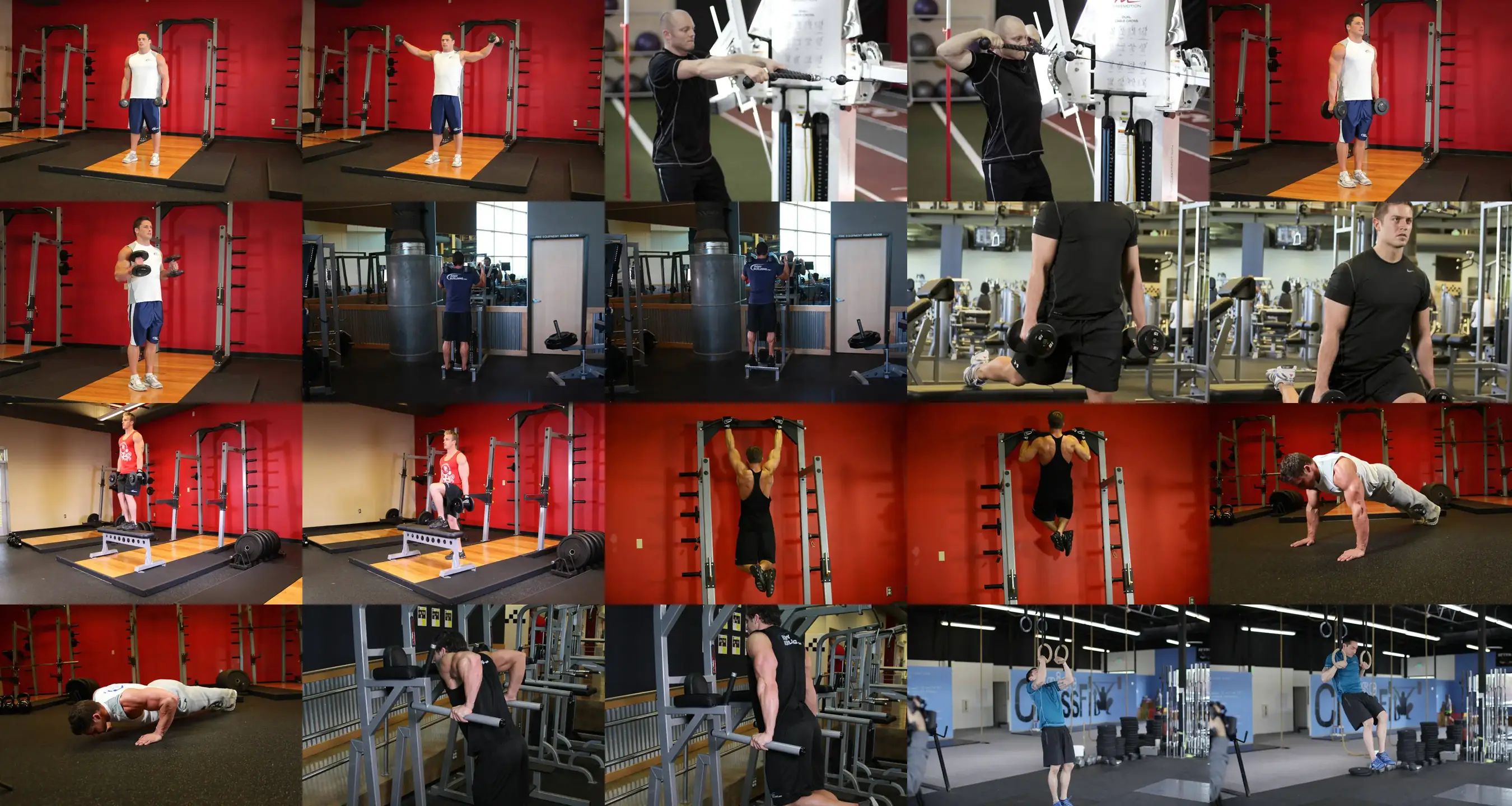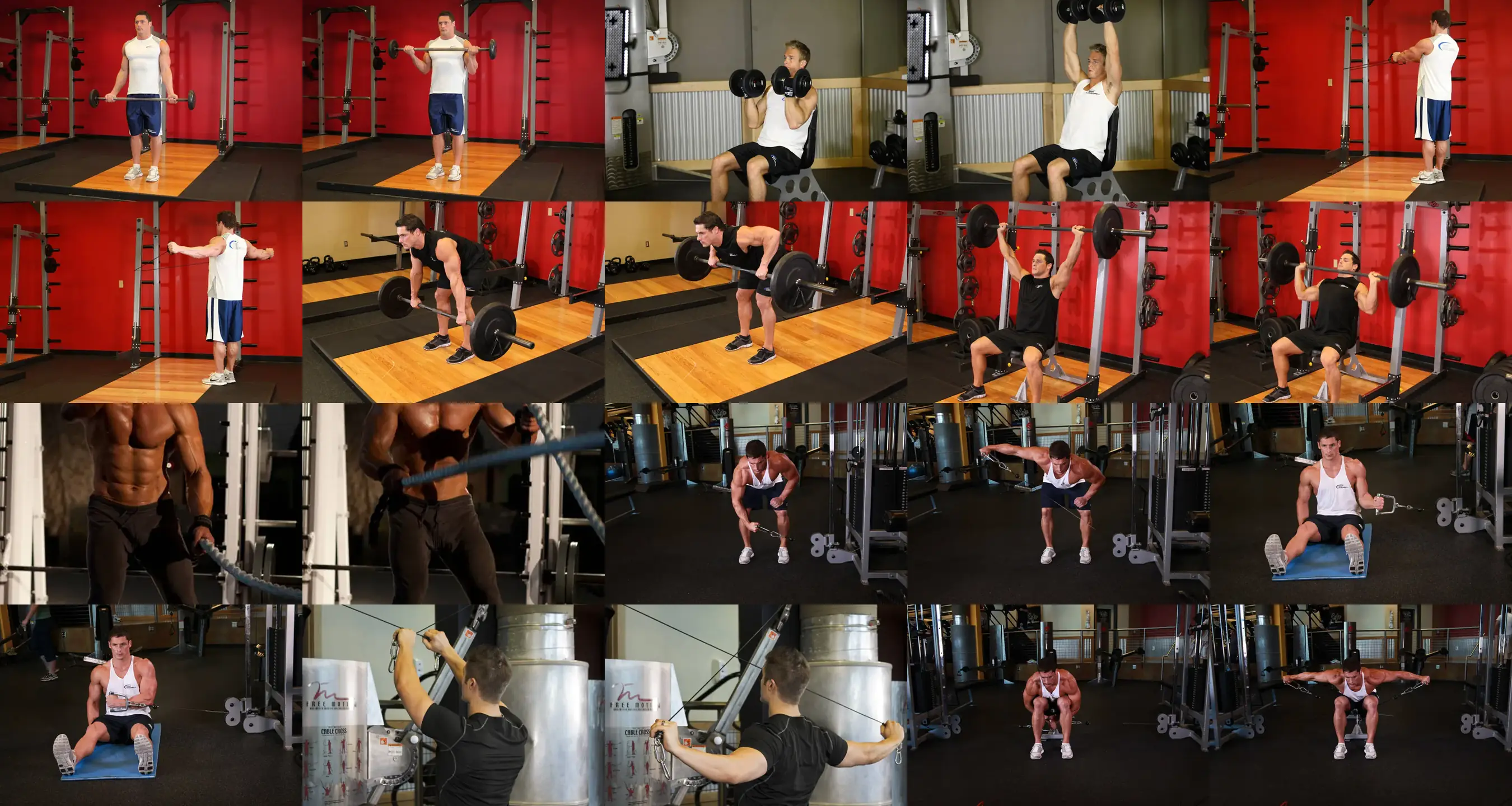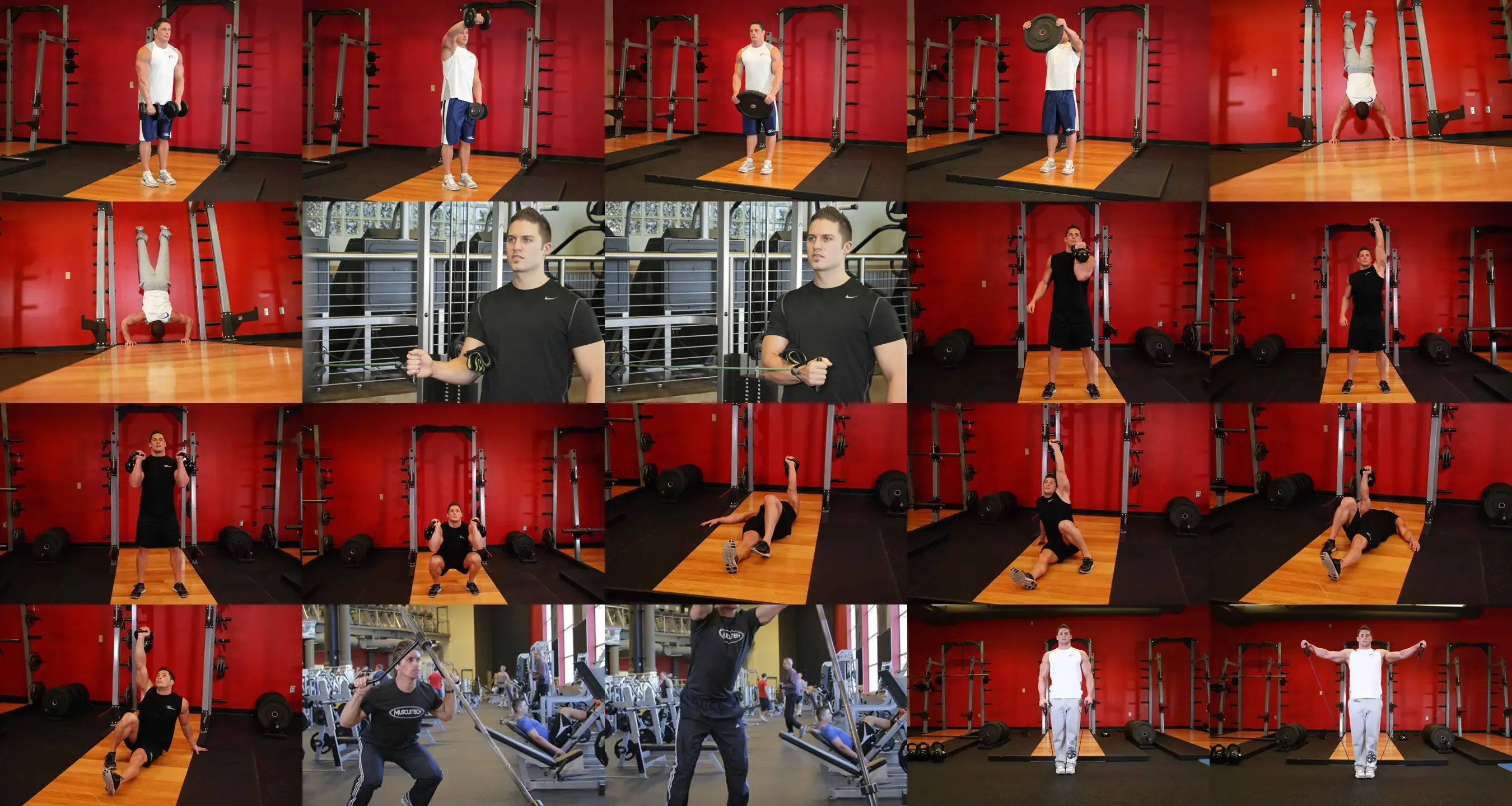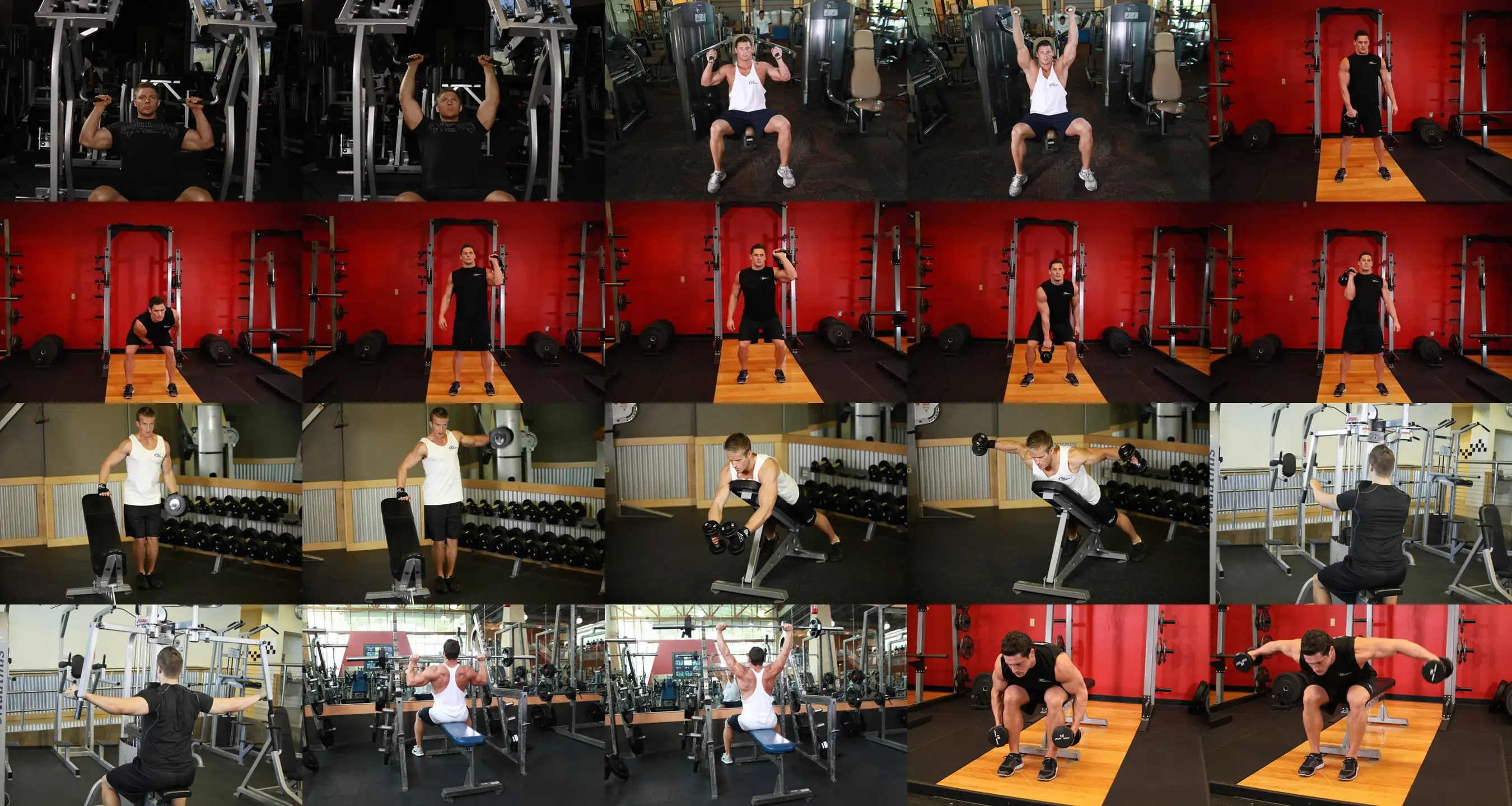
Setup and loading
Set the pulley at its lowest position with a single handle and stand with your back to the tower, the cable running between your legs or beside your working arm. Choose a light weight that lets you do 10 to 15 reps without swinging.
How to do the cable front raise step by step
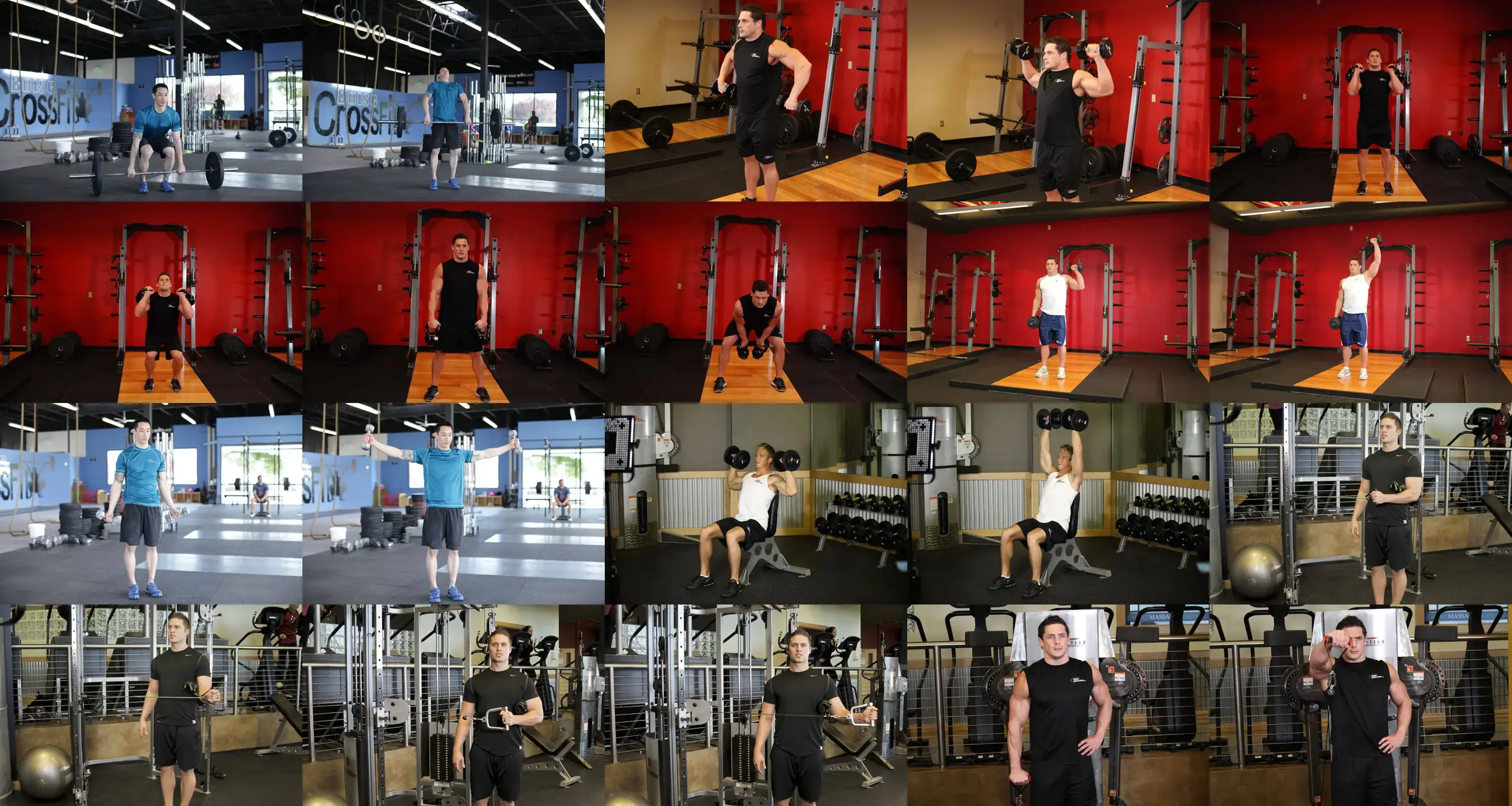
- With your back to the low pulley, take the handle in one hand and step forward to tension the cable.
- Stand tall with the arm straight by your thigh, palm down, elbow slightly bent.
- Exhale and raise the arm forward to shoulder height without twisting your torso.
- Hold briefly at the top with your shoulder down and wrist in line with your forearm.
- Inhale and lower slowly to your thigh without letting the stack touch down.
- Finish all reps on one arm, then repeat on the other side.
Form cues
- Long arm, elbow barely bent
- Lift only to shoulder height
- Still torso, no swinging
- Slow lowering against the cable
Common mistakes
- Rocking your torso back: momentum does the work; lighten the load and brace your abs.
- Lifting well above shoulder height: the traps take over; stop at horizontal.
- Bending the elbow a lot: it shortens the lever; keep the angle fixed.
- Shrugging the shoulder: neck tension builds; keep the shoulder away from your ear.
How to make it easier or harder
As a regression, use less weight or a band anchored under your feet. To progress, add weight gradually, hold two seconds at the top, or use a straight bar attachment with both hands to move more load.
Sets and reps for your goal
Hypertrophy
3 x 10-15 · rest 60 s3-4 sets of 6-12 reps (up to 15-20 on isolation exercises) at 65-80% of your max. Rest 1 to 2 minutes.
Get close to failure (0-3 reps in reserve) and control the lowering for 2-3 seconds. Accumulate 10-20 sets per muscle per week.
A guide for healthy adults. Adjust the load to your level and see a professional if you have an injury.
Check your form
Film yourself from the side or ask someone to watch, then tick what you get right.
Frequently asked questions
Do I need to do front raises?
Not always. The front delts already work hard in bench and overhead presses. Front raises help if you want extra targeted volume or if your program has little pressing, but they are not essential.
What is the advantage of cables over dumbbells?
The cable keeps tension from the start of the movement, when your arm is by your side. With a dumbbell that part barely loads the muscle. Cables also make a smooth, controlled lowering easier.