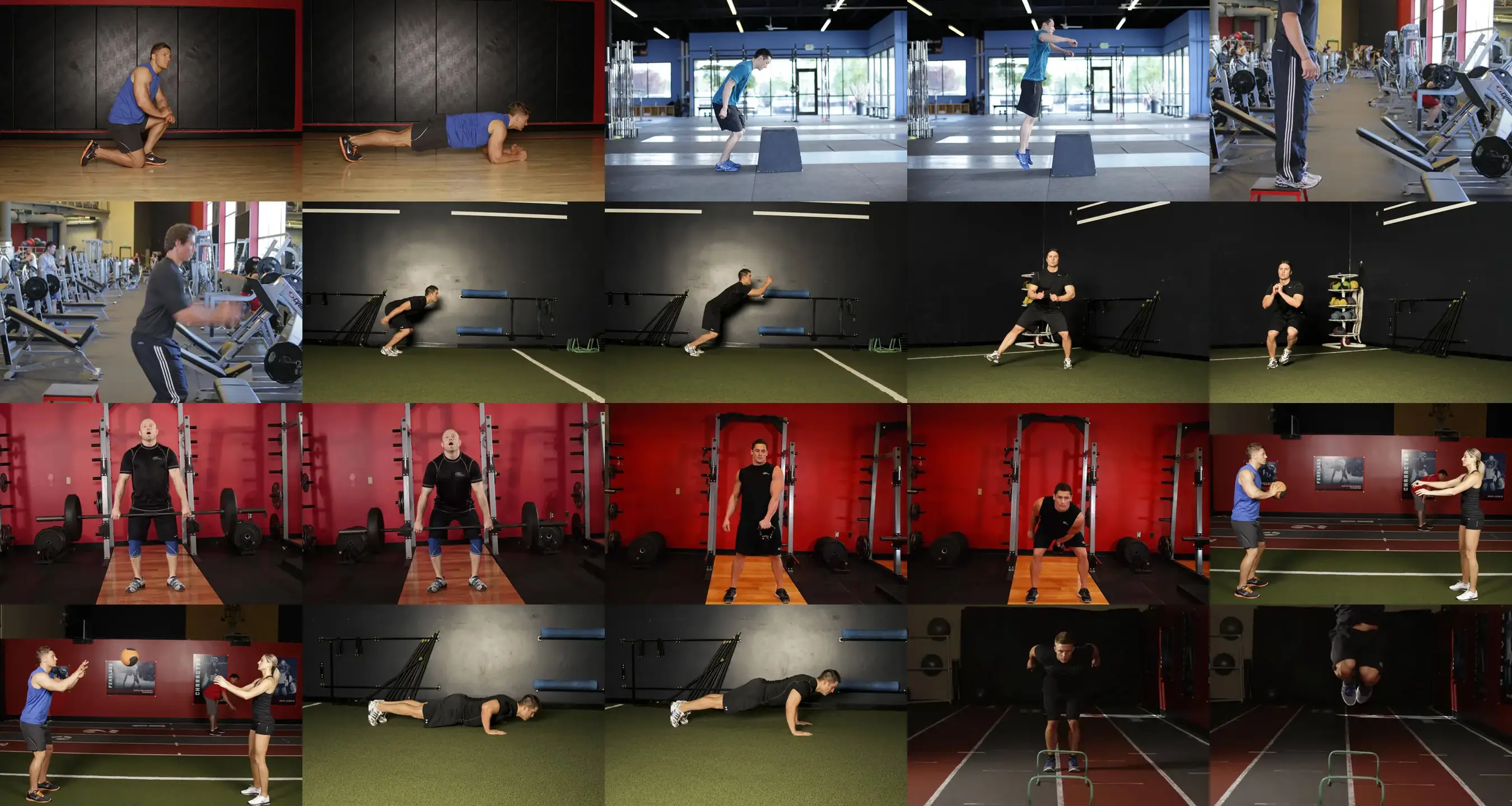
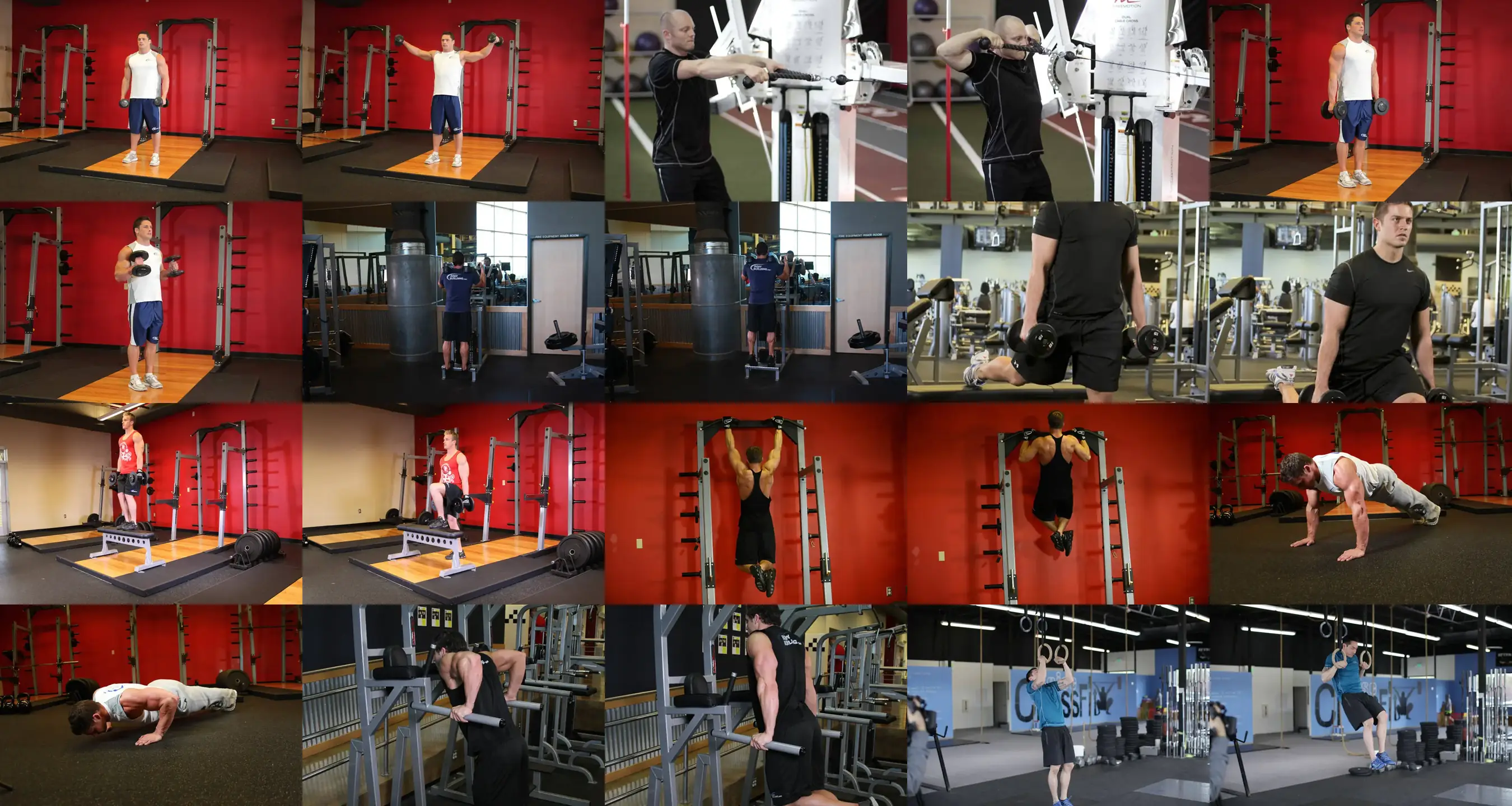

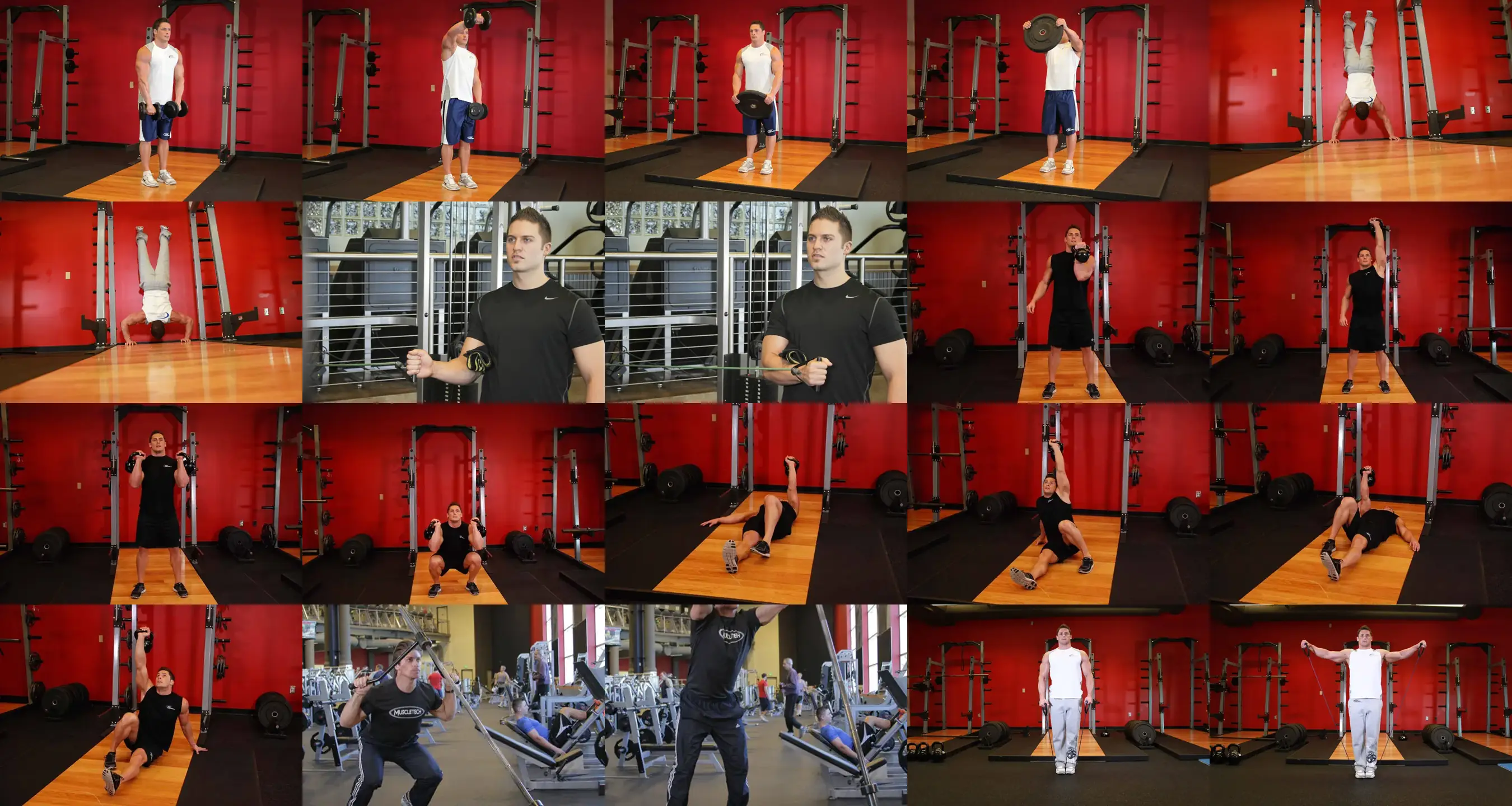
8 weeks · 2 sessions/wk
Strength for runners
A more efficient stride, tougher calves and tendons and fewer injuries, without cutting miles.
€19.99See program
Buy · €19.99Running · Trail running shoes
Some links in our articles are affiliate links: if you buy through them, Muscle Atlas earns a small commission at no extra cost to you. It never changes our verdict. Learn more.
On the trail, a road shoe falls short as soon as the terrain gets tricky. What matters is grip, protection and stability on descents. We compare seven trail shoes from Bikila, from max-cushion ultra shoes to technical mountain models. Weight and drop come from RunRepeat lab data where available; the rest are manufacturer figures cited in reviews. Prices from Spanish/European stores on October 5, 2026.
| Shoe | Price | Lugs / outsole | Best terrain |
|---|---|---|---|
| Hoka Speedgoat 7 | €159.95 | 4.5 mm / Vibram Megagrip | Mixed, from fire roads to technical trails |
| Hoka Mafate 5 | €149.95 | 4.4 mm / Vibram Megagrip | Ultras and long runs |
| Salomon Genesis 2 | €149.95 | 4 mm / Contagrip All Terrain | Technical mountain terrain and steep grades |
| Brooks Cascadia 20 | €143.95 | 3.4 mm / Vibram Megagrip | Fire roads and easy trails |
| La Sportiva Prodigio 2 | €139.95 | 4 mm / Frixion Red | Fast singletrack and dry alpine terrain |
| NNormal Tomir 2.0 | €130 | 5 mm / Vibram Megagrip Litebase | Technical terrain, mud and rock |
| ASICS Trabuco 14 | €126.95 | 3.7 mm / ASICSGRIP | Fire roads and road-to-trail |
Lug depth sets the terrain. With 3-4 mm, a shoe rolls well on fire roads, gravel and dry singletrack, and barely bothers you on pavement. From 4.5-5 mm up, it bites better in mud, grass and loose dirt.
The rubber compound matters as much as the lugs. Vibram Megagrip is the go-to rubber on wet rock, used on the Speedgoat 7, Mafate 5, Cascadia 20 and Tomir 2.0 (in a lighter Litebase version).
Salomon uses its firm, durable Contagrip All Terrain. La Sportiva fits Frixion Red and ASICS its ASICSGRIP, both grippy in the dry.
A rock plate spreads the pressure from sharp stones. The Trabuco 14 has a split forefoot plate and the Mafate 5 a forefoot stiffener. The Speedgoat 7, Cascadia 20 and Genesis 2 have no plate: they protect with foam and a thick outsole.
The Genesis 2 makes up for it with a Kevlar-reinforced Matryx upper that resists rock scuffs very well.
On the trail, a low drop (4-6 mm) gives more stability and ground feel on technical terrain. An 8 mm drop or more offloads the calves on long climbs and in ultras. Keep in mind that real drop can differ from the official spec: the Speedgoat 7 claims 4 mm and measures 7.4 mm.
Fire roads and easy trails: Cascadia 20 and Trabuco 14. They're comfortable on pavement sections too.
Mixed trails and mid-distance races: Speedgoat 7 and Prodigio 2.
Ultras and long runs: Mafate 5, the most cushioned.
Technical terrain, mud and rock: Tomir 2.0 and Genesis 2.
On a tight budget, Decathlon's Kiprun KipSummit (€74.99) is a basic option for getting started on fire roads and trails.
€159.95
For runners who want one trail shoe for almost any terrain.
€149.95
For ultras and long runs where cushioning comes first.
€149.95
For technical mountain terrain, steep climbs and descents with good ground feel.
€143.95
For fire roads, gravel and easy trails, including pavement sections.
€139.95
For running fast on singletrack and dry alpine terrain.
€130
For technical mountain terrain: mud, rock, snow and stream crossings.
€126.95
For trail beginners or runners on fire roads with pavement sections.
If you want one shoe for almost everything, the Hoka Speedgoat 7 is the most versatile. For technical terrain and mud, the NNormal Tomir 2.0 at €130 is the best buy, with the Salomon Genesis 2 as the pick if you want a tougher upper. For ultras, the Mafate 5. If you mostly run fire roads, the Cascadia 20 or the Trabuco 14. And if you want something very cheap to get started, Decathlon's Kiprun KipSummit (€74.99, 4.3 out of 5 from 377 reviews) handles easy terrain.
Around 300 to 500 miles (500-800 km), depending on terrain. Rock wears down lugs and uppers faster. When the lugs lose height and grip fades, it's time for a new pair.
Leave a bit more room than on the road, about a thumb's width, since your foot slides forward on descents. Try them on with the socks you'll wear on the trail.
Yes, for short stretches. Low-lug models like the Cascadia 20 or Trabuco 14 are the most comfortable. Lugs wear faster on pavement.
Yes, if you run on rock, especially when it's wet. It's the grippiest rubber with good durability. On dry fire roads, brand-specific outsoles do the job.
8-week plans with sets, reps and progression, built for your sport. Includes a downloadable PDF.
A more efficient stride, tougher calves and tendons and fewer injuries, without cutting miles.