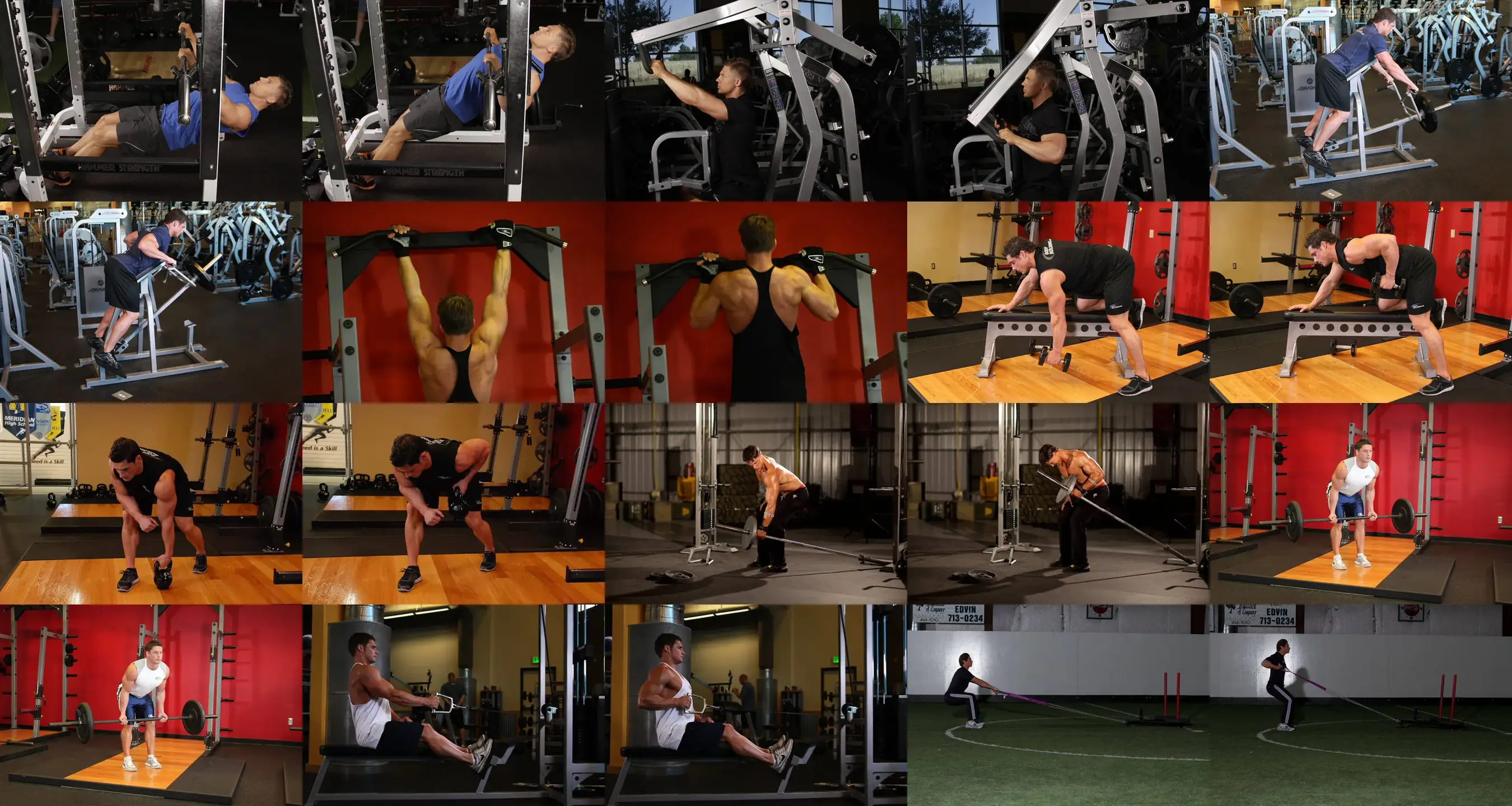
Setup and loading
Use a Smith machine bar, a rack or rings set at waist height, and grip slightly wider than shoulder-width. The more horizontal your body, the harder it gets: find the angle that lets you do 8-12 reps with your chest reaching the bar.
How to do the inverted row step by step
- Set the bar at waist height, lie under it and grab it overhand slightly wider than your shoulders.
- Straighten your legs, dig in your heels and lift your hips until your body forms a line from shoulders to ankles.
- Squeeze your glutes, brace your abs and hang with arms fully straight and shoulders engaged.
- Exhale and pull your chest to the bar, driving your elbows back at about 45 degrees from your torso.
- Squeeze your shoulder blades together at the top with your lower chest near the bar and hold for a second.
- Inhale and lower slowly until your arms are fully straight, keeping your body in line.
- Repeat with a neutral neck, looking at the bar rather than your feet.
Form cues
- Body stiff as a board
- Chest to the bar, not your chin
- Shoulder blades together at the top
- Elbows back at 45 degrees, not flared
Common mistakes
- Letting your hips sag: you lose tension and strain your back; squeeze your glutes and abs.
- Jutting your chin to reach: it strains your neck; bring your chest up with a neutral neck.
- Half reps: they shortchange your back; straighten your arms and touch the bar with your chest.
- Shrugging as you pull: your upper traps take over; drive your elbows to your back pockets.
How to make it easier or harder
To make it easier, raise the bar or bend your knees with feet flat so your body is more upright. To progress, lower the bar, elevate your feet on a bench, wear a weighted vest, or try ring rows or single-arm inverted rows.
Sets and reps for your goal
Hypertrophy
3-4 x 8-12 · rest 60-90 s3-4 sets of 6-12 reps (up to 15-20 on isolation exercises) at 65-80% of your max. Rest 1 to 2 minutes.
Get close to failure (0-3 reps in reserve) and control the lowering for 2-3 seconds. Accumulate 10-20 sets per muscle per week.
Max Strength
4-5 x 3-6 · rest 2-3 min3-6 sets of 1-6 reps at 80-90% of your max (1RM). Rest 2 to 5 minutes.
Leave 1-3 reps in reserve. If your technique breaks down, lower the weight: strength is built with good reps.
A guide for healthy adults. Adjust the load to your level and see a professional if you have an injury.
Check your form
Film yourself from the side or ask someone to watch, then tick what you get right.
Frequently asked questions
Do inverted rows help you do pull-ups?
Yes. They build your lats, mid-back, biceps and grip, all of which you need for a pull-up, and let you rack up pulling volume with good form. Pair them with scapular pull-ups and negatives to progress faster.
Inverted row vs barbell row: which is better?
Both train your mid-back. Inverted rows are more accessible, easier on your lower back and scale with body angle. Barbell rows allow heavier loads. Use either, or both, depending on your level and equipment.
Sports it suits
Gear for this exercise
- Exercise matThick (8-10 mm) for floor work.
As an Amazon Associate, Muscle Atlas earns from qualifying purchases.
Variations and similar exercises
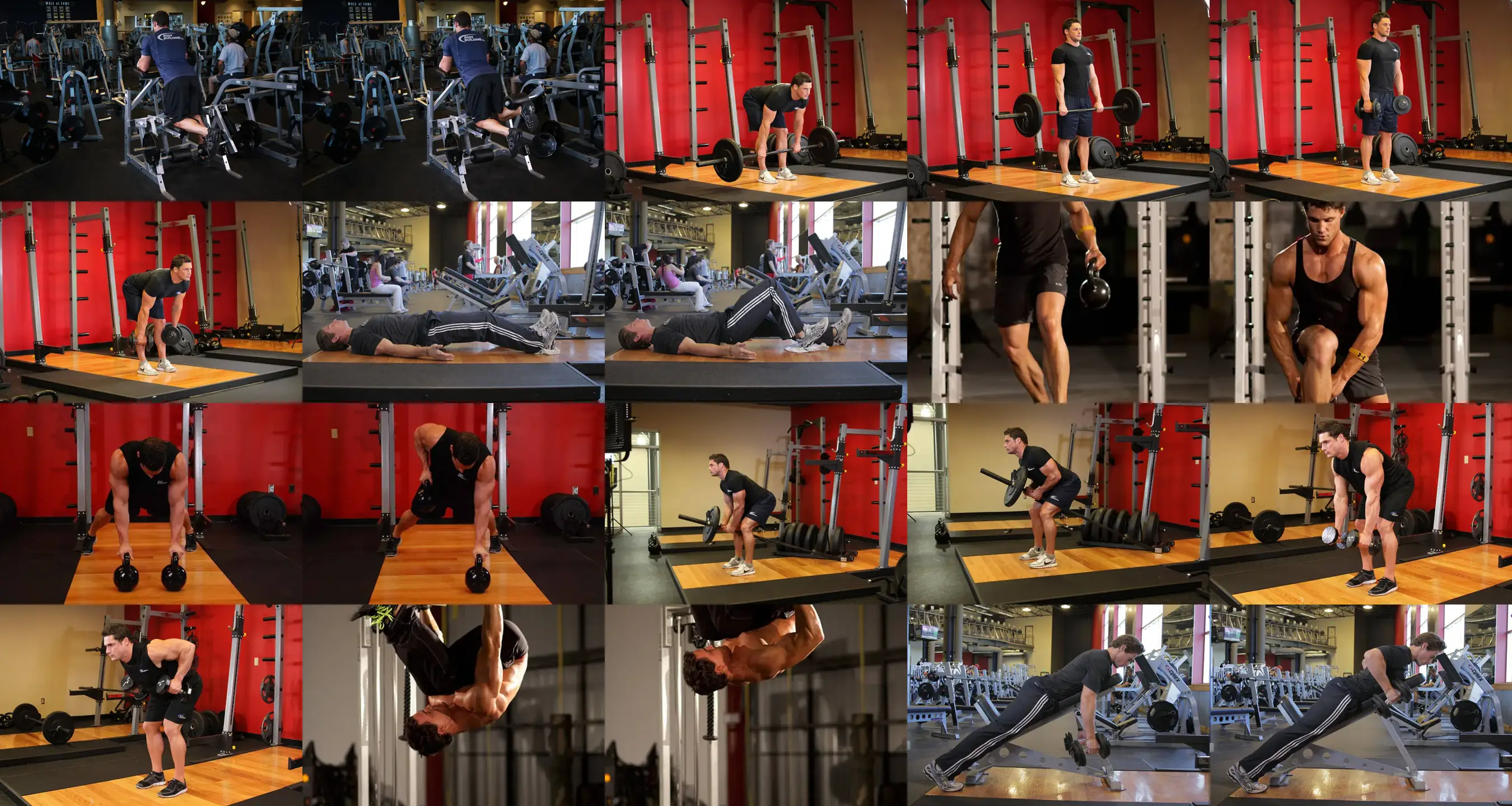
Alternating Renegade Row
Landmine T-Bar Row
Bent-Over Dumbbell Row
Bodyweight Bar Row
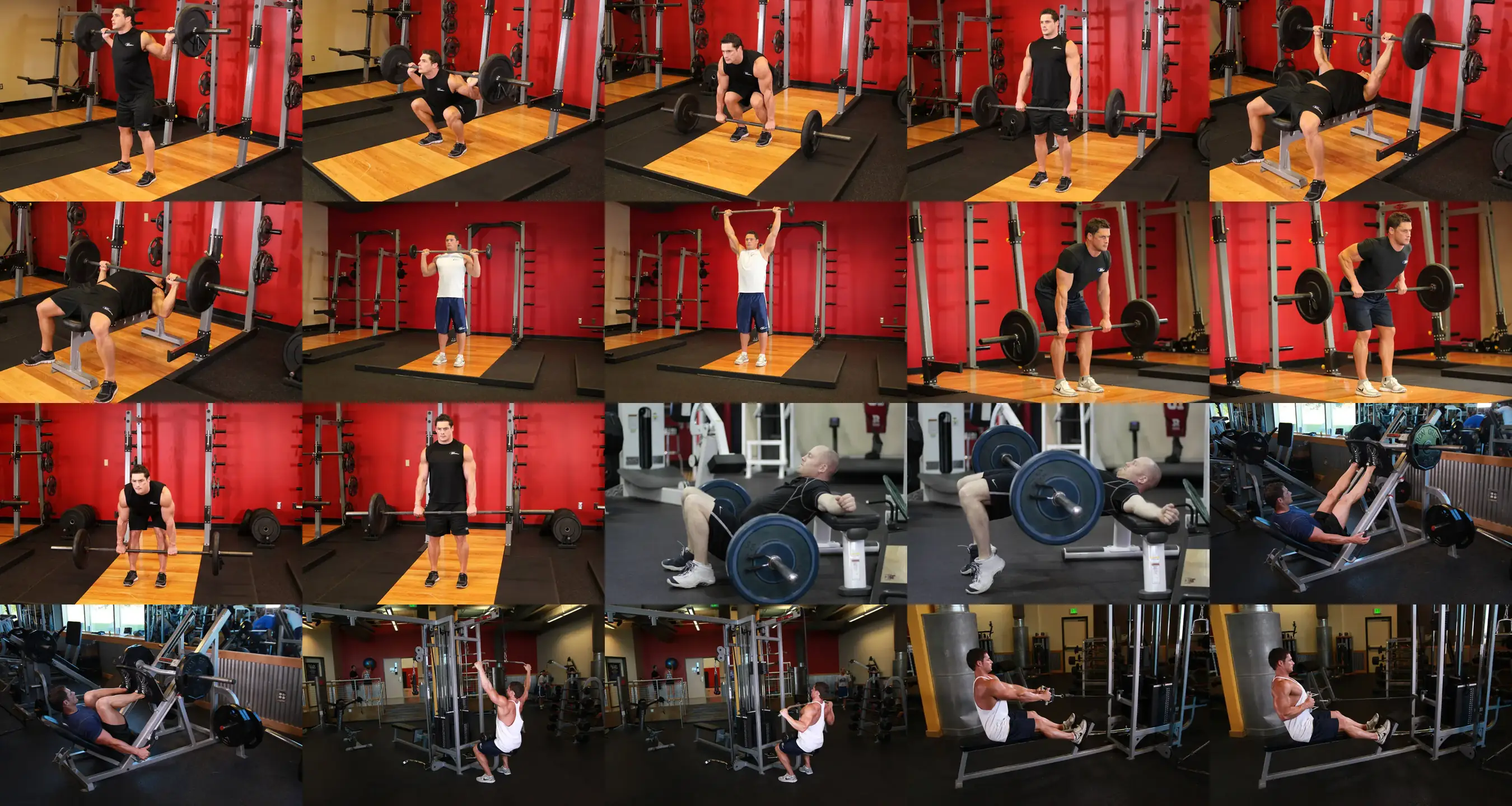
Seated Cable Row
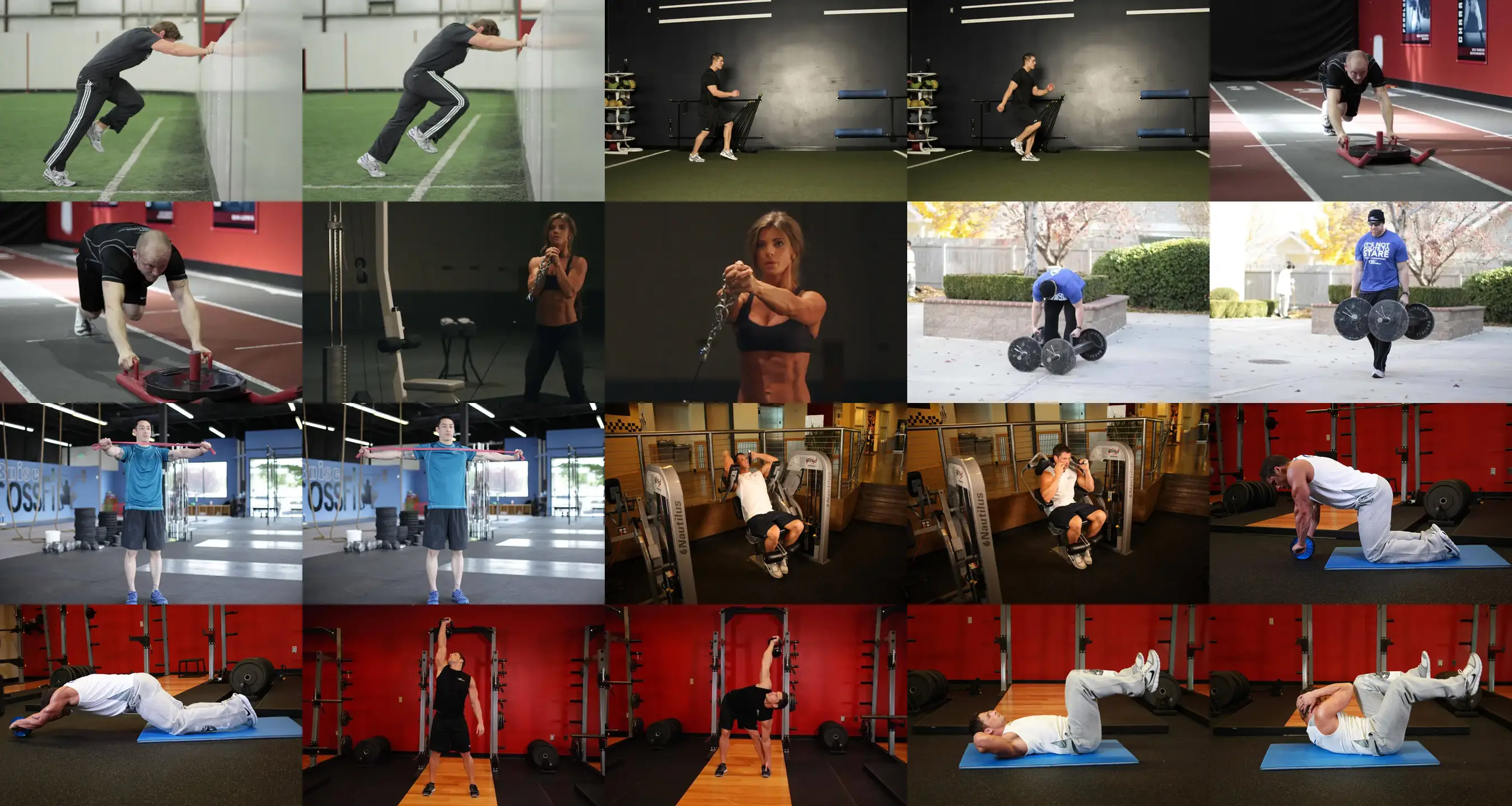
Band Pull-Apart
Chest-Supported Incline Dumbbell Row